A hammer toe can gradually become painful, stiff, and difficult to manage without proper medical care. Many patients experiencing bent or curled toes begin searching for reliable treatment for a hammer toe to improve mobility and reduce discomfort during daily activities. Mr Pavel Akimau provides specialist orthopaedic assessment and personalised care for patients suffering from hammer toe deformities and related foot conditions.
A hammer toe develops when one of the smaller toes bends abnormally at the middle joint, creating a hammer-like appearance. This condition most commonly affects the second toe, although the third and fourth toes may also become involved. Without treatment, the deformity can gradually worsen and become permanently rigid.
Several factors can contribute to hammer toe formation, including inherited foot structure, muscle imbalance, arthritis, nerve conditions, trauma, and prolonged use of tight or narrow shoes. High heels are especially associated with increased pressure on the toes and may accelerate deformity progression.
Patients with hammer toes frequently experience symptoms such as pain, swelling, redness, stiffness, and irritation over the affected toe joint. Corns and calluses often develop due to friction against footwear, making walking and standing uncomfortable.
Early diagnosis is extremely important for successful treatment for a hammer toe because flexible deformities are generally easier to manage before the joints become fixed. Mr Pavel Akimau performs detailed clinical assessments and may recommend imaging such as X-rays to evaluate toe alignment and determine the severity of the condition.
Conservative treatment options are often effective during the early stages of hammer toe development. One of the most important steps involves selecting supportive footwear with a wide toe box to reduce pressure on the affected toes.
Shoes with soft upper materials and adequate toe space can significantly improve comfort and help prevent worsening deformity. Avoiding tight-fitting footwear and high heels is especially important for reducing irritation and stress on the toes.
Protective padding, toe cushions, and splints may help reduce friction and support improved toe positioning. These devices often provide additional comfort during walking and everyday movement.
Custom orthotics may also improve foot mechanics and redistribute pressure more evenly across the foot. Correcting abnormal walking patterns can help reduce stress on the toes and support long-term symptom relief.
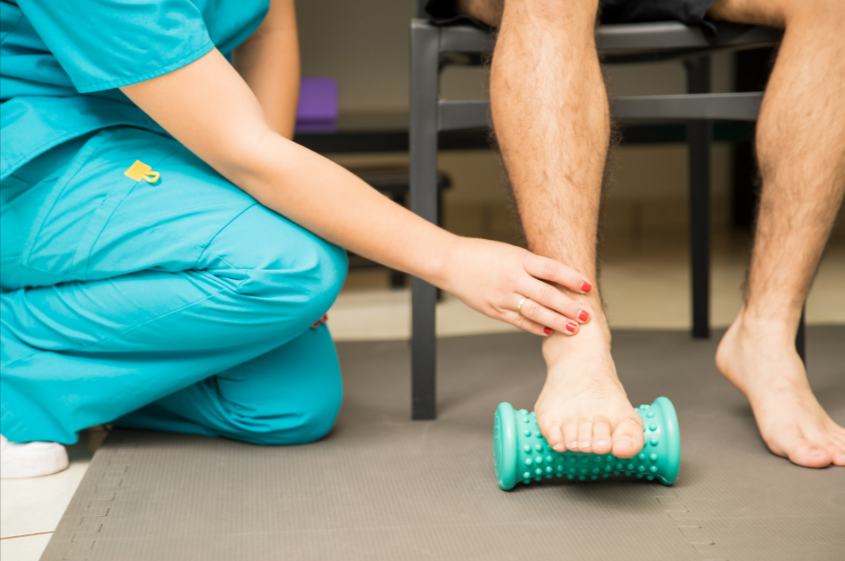
Physiotherapy exercises are commonly included in modern treatment for a hammer toe. Stretching and strengthening exercises may help maintain flexibility, improve muscle balance, and support healthier toe alignment.
Ice therapy and anti-inflammatory medications may reduce swelling and discomfort during painful flare-ups. Activity modification may also be recommended temporarily to reduce pressure on the affected toe during recovery.
When conservative treatments no longer provide sufficient relief, surgical correction may become necessary. Surgical treatment focuses on straightening the toe, correcting joint deformity, and restoring normal foot function.
Several surgical techniques are available depending on the severity and flexibility of the hammer toe. Procedures may involve tendon release, joint realignment, bone reshaping, or fusion techniques to stabilise the toe in a corrected position.
Modern minimally invasive surgery techniques may reduce scarring, minimise tissue disruption, and support faster recovery for selected patients undergoing treatment for a hammer toe.
Recovery following surgery usually includes temporary use of protective footwear, gradual return to walking activities, and physiotherapy rehabilitation to restore mobility, strength, and balance. Most patients experience significant improvement in comfort and foot function after recovery.
Long-term prevention remains important after successful treatment. Wearing supportive footwear, maintaining good foot mechanics, and seeking early orthopaedic evaluation for recurring symptoms can help prevent future toe deformities.
Mr Pavel Akimau focuses on delivering patient-centred orthopaedic care tailored to each individual’s symptoms, lifestyle, and mobility goals. Every treatment plan is designed to improve comfort, restore alignment, and support long-term foot health.
Advances in orthopaedic surgery and rehabilitation continue improving outcomes for patients suffering from hammer toe deformities. Early specialist intervention can significantly improve mobility, reduce pain, and enhance overall quality of life.
For individuals searching for professional treatment for a hammer toe, expert care from Mr Pavel Akimau offers advanced solutions focused on pain relief, improved toe alignment, and restoring comfortable movement.




 Arabic
 French
 Spanish
 Portuguese
 Deutsch
 Turkish
 Dutch
Dutch
 Italiano
 Russian
 Romaian
 Portuguese (Brazil)
 Greek
Greek