


How Lead Aprons Protect from X-ray Radiation Damage
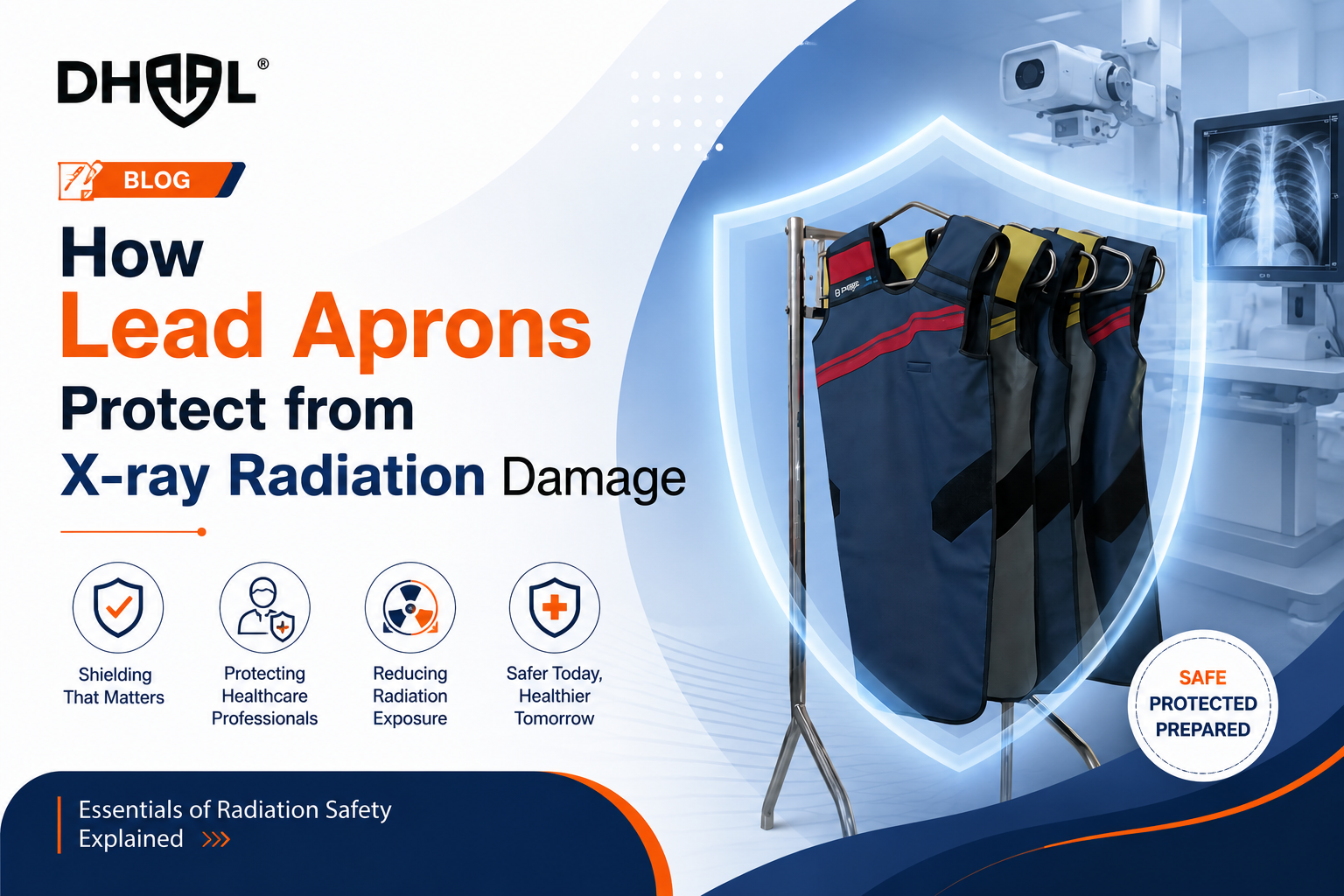
In modern healthcare, X-ray imaging has become an essential tool for diagnosis and treatment. From dental clinics to operation theaters, radiology plays a critical role in patient care. However, frequent exposure to X-ray radiation can pose serious health risks to medical professionals and patients if proper protection is not used. This is where lead aprons become indispensable.
Lead aprons are one of the most effective forms of radiation protection equipment used in hospitals, diagnostic centers, Cath Labs, and imaging facilities. They are specifically designed to shield the body from harmful ionizing radiation during X-ray procedures.
Understanding X-ray Radiation
X-rays are a form of electromagnetic radiation that can penetrate the human body to create internal images. While controlled exposure is generally safe for patients during medical imaging, repeated or excessive exposure may damage living tissues and increase the risk of long-term health issues such as:
- Skin damage
- Tissue burns
- Cataracts
- Genetic mutations
- Increased cancer risk
Healthcare professionals who work around imaging equipment daily are especially vulnerable without proper radiation safety measures.
What Is a Lead Apron?
A lead apron is a protective garment made using lead or lead-equivalent materials that absorb and block radiation. These aprons are worn by radiologists, technicians, surgeons, dentists, nurses, and even patients during X-ray procedures.
Lead is highly effective because of its high atomic number and density, which help absorb X-ray photons before they reach vital organs.
How Lead Aprons Protect the Body
1. Absorbing Harmful Radiation
Lead aprons act as a barrier between radiation and the body. The dense lead material absorbs a significant percentage of scattered X-ray radiation, reducing radiation penetration.
Most high-quality lead aprons offer protection levels such as:
- 0.25 mm Pb equivalency
- 0.35 mm Pb equivalency
- 0.50 mm Pb equivalency
Higher lead equivalency provides greater radiation attenuation.
Radiation Protection Principle
The effectiveness of lead shielding is based on attenuation of X-ray energy.
I=I0e−μxI = I_0 e^{-\mu x}I=I0e−μx
Where:
- I0I_0I0 = initial radiation intensity
- III = transmitted radiation intensity
- μ\muμ = attenuation coefficient
- xxx = thickness of shielding material
This principle explains how thicker and denser shielding materials like lead significantly reduce radiation exposure.
2. Protecting Vital Organs
Lead aprons primarily shield sensitive organs such as:
- Thyroid gland
- Reproductive organs
- Bone marrow
- Chest and abdominal organs
These areas are more vulnerable to radiation damage and require additional protection during imaging procedures.
3. Reducing Scatter Radiation Exposure
During X-ray procedures, scattered radiation spreads in different directions after interacting with the patient’s body. Even if a healthcare worker is not directly in the X-ray beam, scatter radiation can still be harmful over time.
Lead aprons minimize cumulative exposure from this secondary radiation.
Types of Lead Aprons
Different medical environments require different styles of protective aprons:
Front Protection Aprons
Designed for professionals who mainly face the radiation source.
Wrap-Around Aprons
Provide both front and back protection, commonly used in Cath Labs and interventional radiology.
Vest and Skirt Aprons
Distribute weight evenly across the shoulders and waist for improved comfort during long procedures.
Lightweight Lead-Free Aprons
Made with composite materials for enhanced comfort while maintaining effective radiation shielding.
Importance of Wearing Lead Aprons in Healthcare
Ensures Occupational Safety
Radiology staff and surgeons may be exposed to radiation daily. Wearing lead aprons significantly reduces occupational hazards.
Supports Regulatory Compliance
Hospitals and diagnostic centers must comply with radiation safety standards set by health authorities and radiation control boards.
Improves Patient Protection
Patients, especially children and pregnant women, require additional shielding during imaging procedures.
Builds a Safe Medical Environment
Using radiation protection gear demonstrates a healthcare facility’s commitment to safety and professional standards.
How to Choose the Right Lead Apron
When selecting a lead apron, healthcare facilities should consider:
- Lead equivalency level
- Weight and comfort
- Size and fit
- Durability
- Flexibility
- Radiation protection certification
Choosing high-quality aprons from trusted manufacturers ensures long-term reliability and safety.
Proper Care and Maintenance
To maintain effectiveness, lead aprons should be:
- Stored properly on apron hangers
- Never folded or creased
- Regularly inspected for cracks or damage
- Cleaned according to manufacturer guidelines
Damaged aprons may lose their protective capability and should be replaced immediately.
Conclusion
Lead aprons are a critical component of radiation safety in healthcare environments. By effectively absorbing scattered X-ray radiation, they protect healthcare professionals and patients from potential long-term radiation damage.
As medical imaging technologies continue to advance, the importance of reliable radiation protection equipment becomes even greater. Investing in high-quality CE-certified lead aprons not only ensures compliance with safety standards but also helps create a safer and healthier workplace for everyone involved in radiological procedures.

 English
 Arabic
 French
 Spanish
 Portuguese
 Deutsch
 Turkish
 Dutch
Dutch
 Italiano
 Russian
 Romaian
 Portuguese (Brazil)