


Puja Items: The Sacred Essentials That Enrich Every Worship Ritual
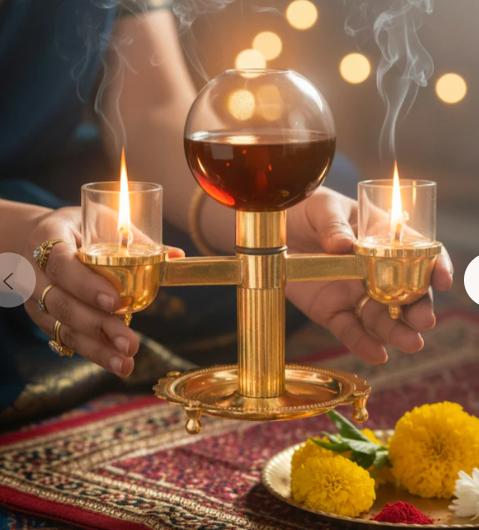
In Indian tradition, worship is not just a religious activity — it is a heartfelt expression of faith, gratitude, and devotion. Every ritual, from a simple daily prayer to an elaborate festival celebration, carries deep spiritual significance. Central to these rituals are puja items — the sacred tools and accessories that help devotees connect with divine energy.
These items symbolize purity, reverence, and the offering of one’s self to the almighty. Whether you’re setting up a home temple or preparing for a festival, understanding the purpose and importance of each puja item can make your worship experience more meaningful.
1. Understanding the Meaning and Purpose of Puja Items
The word puja originates from Sanskrit, meaning “to worship” or “to honor.” A puja involves invoking the presence of a deity through offerings, chants, and devotion. To perform these rituals correctly and with purity, certain puja items are required.
Each item used in a puja has symbolic meaning — the diya represents light and knowledge, flowers symbolize love and beauty, incense purifies the air, and bells awaken spiritual energy. When used together with devotion, these sacred objects create a positive and peaceful environment where divine energy can flow freely.
2. Essential Puja Items and Their Spiritual Significance
Let’s look at some of the most important puja items used in Hindu rituals and understand their meanings and roles in worship.
a) Diya (Oil Lamp)
Lighting a diya marks the beginning of every puja. It symbolizes the victory of light over darkness and the dispelling of ignorance. Diyas, made from brass, silver, or clay, are among the most sacred puja items that purify the atmosphere and represent divine presence.
b) Incense Sticks (Agarbatti) and Dhoop
The gentle fragrance of incense is believed to carry prayers to the heavens. Burning agarbatti or dhoop purifies the air, enhances concentration, and creates an atmosphere of peace — making it a vital puja item in daily worship.
c) Bell (Ghanti)
Ringing a bell before and during puja is believed to drive away negative energy and invite divine vibrations. The sound signifies auspiciousness and purity, filling the space with positive energy.
d) Idols or Pictures of Deities
Idols are the centerpiece of any worship. Whether it’s Lord Ganesha for wisdom, Goddess Lakshmi for wealth, or Lord Shiva for strength, these sacred puja items serve as focal points of devotion, helping worshippers focus their prayers and intentions.
e) Kalash (Sacred Vessel)
The kalash — a metal pot filled with holy water, topped with mango leaves and a coconut — represents life, abundance, and creation. It is one of the most powerful puja items, symbolizing the source of existence and divine energy.
f) Camphor and Aarti Plate
Camphor, when lit during aarti, symbolizes the burning away of ego and negativity. The aarti plate, often made of brass or silver, holds lamps, flowers, and incense, making it an essential part of every worship ritual.
g) Conch Shell (Shankh)
The sound of the conch is considered auspicious and is believed to purify the surroundings. Blowing the shankh before or after puja signifies the start and end of a holy ceremony.
3. Types of Materials Used in Puja Items
Traditionally, puja items are made from materials that carry spiritual energy and are considered pure in Hindu culture. Here are some commonly used materials:
-
Brass: The most popular material for puja utensils and lamps. Brass conducts positive energy and is durable.
-
Copper: Associated with purity and healing properties, often used for storing holy water.
-
Silver: Considered auspicious and ideal for idols and aarti plates.
-
Clay: Eco-friendly and used for diyas and idols during festivals like Diwali or Ganesh Chaturthi.
-
Marble and Wood: Used for temple structures and idol bases, symbolizing strength and stability.
The choice of material for your puja items can influence the spiritual energy of your worship space, so it’s important to select items made from pure, high-quality materials.
4. How to Organize Puja Items in Your Home Temple
A well-organized puja space enhances concentration and devotion. Here’s how to arrange your puja items effectively:
-
Select the right location: The northeast corner of the house is ideal for a temple as it is considered highly auspicious.
-
Place idols properly: Keep idols at eye level, with the main deity in the center.
-
Keep lamps and incense holders in front: Diyas and incense should be positioned before the deity during worship.
-
Organize small items: Store kumkum, rice, and flowers neatly in containers or trays.
-
Ensure cleanliness: Always keep the area and your puja items clean and covered when not in use.
A clean and orderly worship space not only looks divine but also radiates peace and positive vibrations.
5. Puja Items for Special Festivals and Occasions
Different festivals and ceremonies require specific puja items. Here are some examples:
-
Diwali: Diyas, candles, kalash, and idols of Goddess Lakshmi and Lord Ganesha.
-
Navratri: Kalash, coconut, red cloth, and flowers for Goddess Durga.
-
Ganesh Chaturthi: Clay idol of Lord Ganesha, durva grass, modak, and turmeric.
-
Karva Chauth: Karva pot, sieve, and decorated thali for the moon worship ritual.
-
Satyanarayan Puja: Panchamrit ingredients, betel leaves, and tulsi leaves.
Having the right puja items ensures your rituals are performed correctly, bringing peace, health, and prosperity.
6. Modern and Eco-Friendly Puja Items
In recent years, many devotees have adopted eco-friendly puja items to make their rituals sustainable. Clay idols, biodegradable offerings, and organic incense sticks are excellent alternatives that respect both tradition and nature.
Reusable brass diyas, copper kalash, and natural flower garlands are gaining popularity for their longevity and spiritual purity. Choosing sustainable puja items not only honors the divine but also contributes to protecting the environment.
7. Buying Puja Items Online
In today’s digital world, buying puja items online has become a convenient and reliable option. Online stores offer a wide range of products — from handcrafted diyas and bells to complete puja kits.
When shopping online, look for:
-
Verified sellers offering authentic, high-quality products.
-
Detailed descriptions mentioning material, size, and usage.
-
Eco-friendly and handmade options that support artisans.
-
Puja kits customized for specific festivals or ceremonies.
Purchasing puja items online ensures you have everything needed for your worship rituals delivered to your doorstep, saving time and effort.
8. Caring for Your Puja Items
Proper maintenance of your puja items preserves their beauty and spiritual energy. Here are some tips:
-
Clean brass and copper items regularly with natural ingredients like lemon or tamarind.
-
Polish silver items gently to maintain their shine.
-
Replace flowers, water, and incense daily to keep the space fresh.
-
Cover the idols and altar after puja to maintain sanctity.
A well-maintained puja area radiates divine vibrations and invites prosperity into your home.
9. The Spiritual Power of Puja Items
Every puja item holds its own frequency and energy. When used with faith and devotion, they transform the physical environment into a sacred spiritual space. The sound of bells clears the mind, the fragrance of incense uplifts the soul, and the glow of diyas dispels negativity.
These rituals help you focus inward, cultivate mindfulness, and invite divine blessings into your life.
10. Conclusion
Puja items are more than just objects — they are carriers of divine energy and tradition. From simple clay diyas to intricately crafted brass idols, each item holds a unique purpose and meaning.
By using pure, authentic, and thoughtfully arranged puja items, you can create a sacred space filled with peace, positivity, and devotion. Every prayer performed with these sacred tools becomes a bridge between you and the divine, enriching your home with spiritual harmony and everlasting blessings.

 English
 French
 Spanish
 Portuguese
 Deutsch
 Turkish
 Dutch
Dutch
 Italiano
 Russian
 Romaian
 Portuguese (Brazil)
 Greek
Greek