


Proven Log Home Maintenance Techniques to Protect Natural Wood
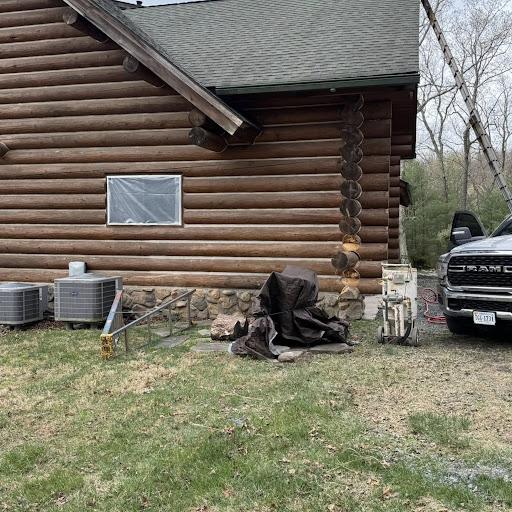
A lot of people fall in love with the look of a log home, then forget the upkeep part. That’s usually where the trouble starts. Wood is tough, sure, but it’s still a natural material. Sun beats it up. Rain sneaks in. Bugs don’t ask permission. If you’ve ever searched for log home maintenance near me in Winchester Virginia, chances are you already noticed something looked off. Maybe faded stain. Maybe cracking. Maybe logs getting soft around the corners. The truth is, small issues become expensive repairs real fast when they’re ignored. Regular maintenance isn’t glamorous work, but it keeps a cabin standing strong for decades instead of turning into a money pit.
Watch the Water First, Always
Most log home damage starts with moisture. Not insects. Not age. Water. That’s the thing homeowners underestimate all the time. If gutters overflow or splashback hits the lower logs day after day, wood starts soaking it in. Slowly. Then rot shows up. Sometimes you don’t even see it until a screwdriver pushes straight through the log. Not good.
One of the smartest things you can do is walk around the home after heavy rain. Seriously. Look for puddles near the foundation. Check downspouts. See where water drips from roof lines. Overhangs help more than people think. Bigger roof overhangs mean less direct weather hitting the logs. Simple, but huge difference. And if bushes or vines are packed tightly against the walls, trim them back. Wood needs airflow or moisture just hangs there.
Staining Isn’t Optional
People sometimes treat stain like paint. It’s not the same thing. Good stain protects the logs while still letting the wood breathe a little. Cheap stain, or waiting too long to reapply it, causes problems fast. UV rays dry the wood out. Then you get checking cracks. Some are normal. Some get deep enough to trap water.
A solid maintenance routine usually means inspecting stain every year and reapplying when the finish starts wearing thin. South-facing walls usually fade first because they take the most sunlight. That’s normal. Don’t wait until the whole house looks rough before touching it up. Spot maintenance saves money in the long run.
And honestly, prep work matters more than the stain itself sometimes. Dirty logs won’t hold stain properly. Mold, pollen, old finish buildup, all that junk has to come off first.
Don’t Ignore Small Cracks in the Logs
Every log home develops checks and cracks over time. Wood moves. Expands. Shrinks. That part’s natural. But when cracks face upward and hold water, problems start brewing underneath. Moisture sits there. Then decay starts inside the log where you can’t really see it.
A good habit is checking logs seasonally. Spring and fall are ideal. If cracks look excessive or deep, sealants and caulking products can help keep water out. Not every crack needs fixing though. That’s where experience matters. Some homeowners panic over cosmetic checks that are harmless. Others ignore major openings that should’ve been sealed a year ago.
Let’s be real, maintenance gets easier when you stop looking at it like one giant project. It’s smaller stuff done consistently.
Pest Control Matters More Than People Think
Carpenter bees, termites, ants, wood-boring beetles. They all love neglected wood. Especially damp wood. One soft section around a window frame can attract insects faster than most people realize.
The short answer is this: dry wood stays healthier. Insects usually go after areas already weakened by moisture. That’s another reason drainage and stain protection matter so much. You’re preventing multiple problems at once.
You should also keep firewood stacked away from the cabin itself. Too many people pile logs right against exterior walls. Looks rustic maybe, but it invites pests closer to the house. Same goes for old mulch piled high around lower logs.
Cleaning the Exterior Without Damaging the Wood
Pressure washing sounds like a quick fix, but done wrong, it can wreck log surfaces. Too much pressure tears up soft wood fibers and forces water deeper into the logs. Then you’ve got another issue brewing under the surface.
Most professionals use low-pressure washing combined with wood-safe cleaners. Gentle works better here. Dirt, mildew, pollen, and old debris should come off without gouging the logs. Brightening products can also help restore weathered areas before staining.
One thing people forget is how much climate affects maintenance schedules. Homes in humid regions usually need more attention than cabins in dry mountain climates. There’s no perfect timeline that fits every house.
Pay Attention to Caulking and Chinking
Caulking failures are sneaky. Tiny gaps around windows, doors, and log joints let moisture and air creep inside slowly. Over time, energy bills rise and water damage follows behind it. Chinking, when properly maintained, helps seal those vulnerable areas while allowing the logs to flex naturally.
You don’t always need full replacement either. Sometimes spot repairs are enough. But once sections start pulling away from the logs completely, it’s time to deal with it before bigger structural issues start showing up.
Honestly, homeowners often spend thousands fixing damage that could’ve been prevented with a few hundred dollars of maintenance. That’s the frustrating part.
Interior Wood Needs Attention Too
People focus heavily on exterior maintenance, but interior logs need care as well. Dry indoor air can affect wood over time, especially during winter heating months. Dust buildup settles into grooves and corners too. It’s subtle, but it adds up.
Humidity balance inside the home matters more than many realize. Too dry and wood shrinks excessively. Too humid and you risk mildew issues. And yes, appearance plays a role too. A well-maintained cabin interior has warmth you just don’t get from drywall homes.
That’s partly why the interior design of log cabins has become so popular again lately. Natural wood textures, exposed beams, handcrafted finishes, all of it creates a space that feels grounded and real. But keeping that look attractive takes ongoing care, not just decoration choices.
Long-Term Protection Comes Down to Consistency
At the end of the day, protecting a log home isn’t about one miracle product or one massive restoration project. It’s consistency. Small inspections. Cleaning before damage spreads. Fixing moisture problems early. Reapplying stain before wood gets exposed too long. That’s what keeps natural wood strong.
A well-maintained log home can last generations. Neglected ones age hard and fast. That’s just reality. The good news is most serious damage gives warning signs before things get catastrophic. You just have to pay attention to them. A little effort every season usually beats huge repairs later, and by a long shot.

 English
 Arabic
 French
 Spanish
 Portuguese
 Deutsch
 Turkish
 Dutch
Dutch
 Russian
 Romaian
 Portuguese (Brazil)
 Greek
Greek