


How to Verify a Trusted App to Send Money to India ?
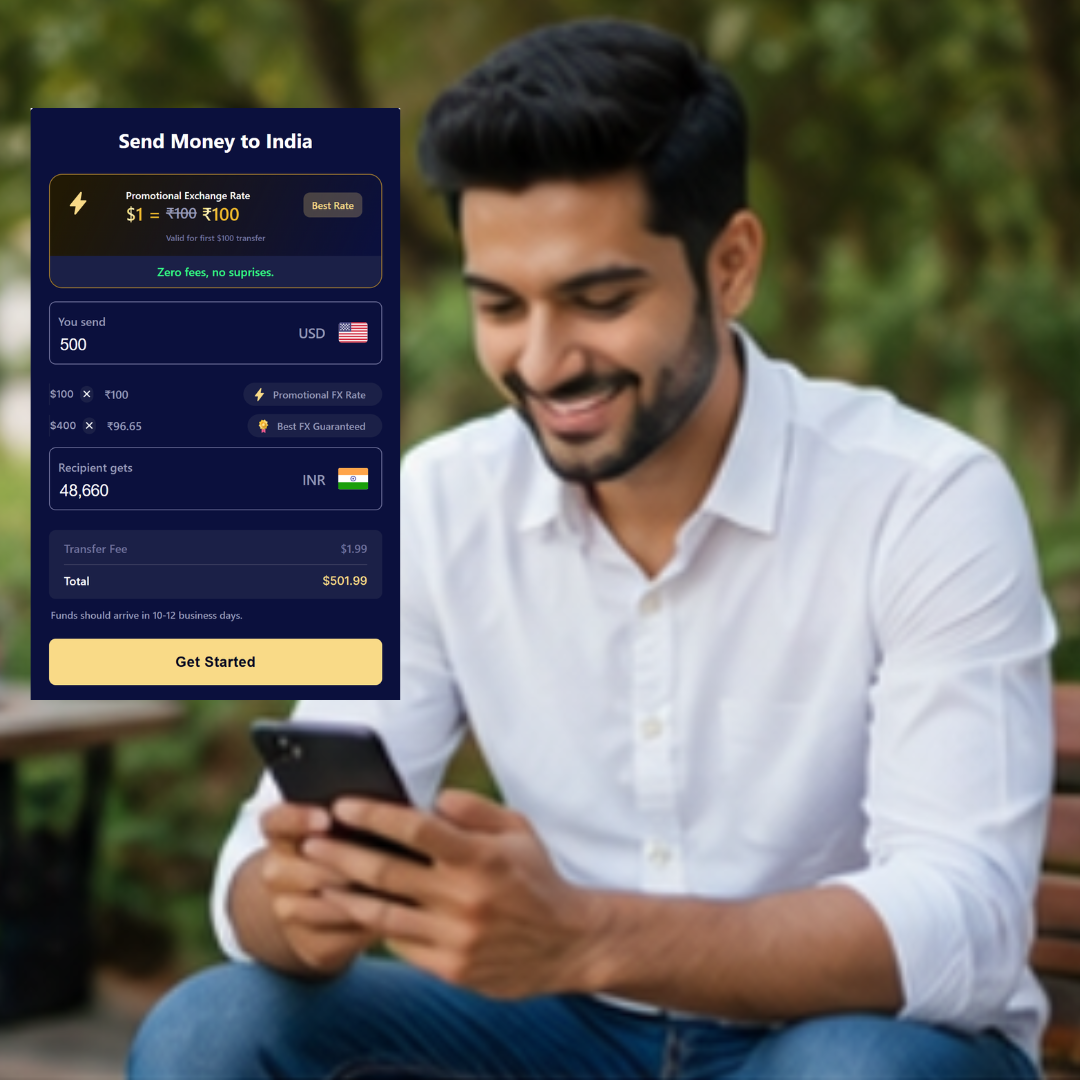
Managing your finances across borders should feel safe, simple, and transparent. When you decide to send your hard-earned savings home, the technology you choose plays a vital role in ensuring that every rupee reaches its destination securely. With numerous digital platforms available today, knowing how to distinguish a high-quality service from an unverified one is an essential skill for anyone living abroad.
In the digital landscape, a reliable money transfer to India is the foundation of a successful transaction. By focusing on regulatory compliance and advanced security protocols, you can move your funds with total peace of mind. Verification is not just about a sleek interface; it is about the underlying layers of protection that keep your data and your wealth shielded from external risks.
The Gold Standard: Regulatory Compliance
The first and most important step in verifying any financial app is checking its licenses. Trusted apps do not operate in a vacuum; they are overseen by major financial authorities to ensure they meet strict capital requirements and consumer protection laws.
-
FCA (UK): In the United Kingdom, the Financial Conduct Authority regulates electronic money institutions.
-
FinCEN (USA): In the United States, legitimate providers must be registered with the Financial Crimes Enforcement Network and hold state-level money transmitter licenses.
-
RBI (India): For any service delivering funds into the country, compliance with the Reserve Bank of India’s guidelines, specifically the Foreign Exchange Management Act (FEMA), is mandatory.
You can usually find these registration numbers at the very bottom of an app’s website or in the "Legal" section of the settings menu. A provider that is open about its regulatory status is one that values transparency and accountability.
Evaluating Security Features
A trusted app treats your security like its own. When you are performing a Money Transfer to India, you should look for specific technical safeguards that act as a digital fortress around your account.
-
Bank-Level Encryption: Look for apps that mention 256-bit SSL encryption. This ensures that the data traveling between your phone and the server is scrambled and unreadable to hackers.
-
Two-Factor Authentication (2FA): A secure app will always ask for a second form of verification, such as a code sent to your phone or a biometric scan (fingerprint or face ID), before allowing a transfer.
-
Real-Time Monitoring: Leading platforms use AI-driven fraud detection to spot unusual activity. If a transfer looks out of the ordinary, a trusted app will pause the transaction and reach out to you for confirmation.
The Importance of Peer Reviews and Reputation
Expertise and trustworthiness are often reflected in the experiences of other users. Before committing to a new platform, spend a few minutes reading reviews on independent platforms like Trustpilot or the Google Play Store.
Look for consistency in the feedback. Are users reporting that the funds arrive on time? Is the customer support team responsive when questions arise? A long-standing history in the industry is often a great indicator of reliability. While new apps can be excellent, established players with millions of successful transactions provide a level of "social proof" that is hard to ignore.
Transparency in Costs and Exchange Rates
One of the hallmarks of a trustworthy app is the absence of "hidden" surprises. A professional service will show you the exact exchange rate and the final "landing amount" before you click the send button.
Avoid apps that use vague language like "best rates guaranteed" without showing you the math. A transparent provider will clearly break down:
-
The upfront service fee.
-
The exchange rate compared to the mid-market rate.
-
The exact date and time the recipient can expect the deposit.
When you prepare for a Money Transfer to India, comparing two different apps side-by-side on these three points will quickly reveal which one is the most honest and cost-effective.
Customer Support: The Human Element
Even with the best technology, you might occasionally need to speak with a human. A trusted app provides multiple ways to get in touch, such as live chat, email, or a dedicated help center. Test the support feature with a simple question before you send a large amount. If the response is quick, professional, and helpful, it’s a positive sign that they will be there for you if a real issue ever occurs.
Data Privacy and Your Rights
Your personal information like your ID and bank details is just as valuable as the money you are sending. Read the app's privacy policy to ensure they do not sell your data to third parties. A reputable company will explain exactly why they need your information (usually for KYC or "Know Your Customer" compliance) and how they store it securely in line with global data protection standards like GDPR.
Practical Steps Before Your First Transfer
To build trust with a new platform, you don't have to start big. Here is a simple strategy to verify the app's performance:
-
Start Small: Send a minimal amount as a "test run" to see how the interface handles the process.
-
Monitor Notifications: Ensure you receive an immediate receipt and tracking updates via email or SMS.
-
Check the Payout: Confirm with your family that the exact amount arrived in their bank account as promised.
Conclusion
Taking the time to verify your chosen platform is the best way to ensure your financial contributions reach your family without any obstacles. By prioritizing licensed providers, checking for robust encryption, and valuing transparency in exchange rates, you can navigate the world of international payments with absolute confidence. The peace of mind that comes from using a professional and secure app is well worth the few minutes of research required to find the perfect fit for your needs.
FAQs
How can I tell if an app is officially licensed?
You can verify a company's status by visiting the official website of the regulator (like the FCA or FinCEN) and searching for the company name or registration number provided in the app's footer.
Why do apps ask for my ID and personal details?
This is a legal requirement known as KYC (Know Your Customer). It is designed to prevent financial crimes and ensure that the person sending the money is who they say they are. It is a sign of a regulated and compliant app.
Are mobile wallets safer than bank transfers?
Both are secure when used through a verified app. The primary difference is convenience and speed. Bank transfers are often preferred for larger amounts, while mobile wallets are great for smaller, frequent support payments.
What should I do if my transfer is delayed?
First, check the tracking status within the app. If the status isn't clear, contact the app’s support team immediately. Trusted apps will provide a transaction reference number that helps them locate your funds quickly.
Can I cancel a transfer after it has been sent?
In most cases, if the money has already been deposited into the recipient's bank account, it cannot be reversed. However, if the transfer is still "in progress," many apps allow you to cancel it from the transaction history screen.

 Arabic
 French
 Spanish
 Portuguese
 Deutsch
 Turkish
 Dutch
Dutch
 Italiano
 Russian
 Romaian
 Portuguese (Brazil)
 Greek
Greek