


How to Avoid Altitude Sickness on the Everest Base Camp Trek
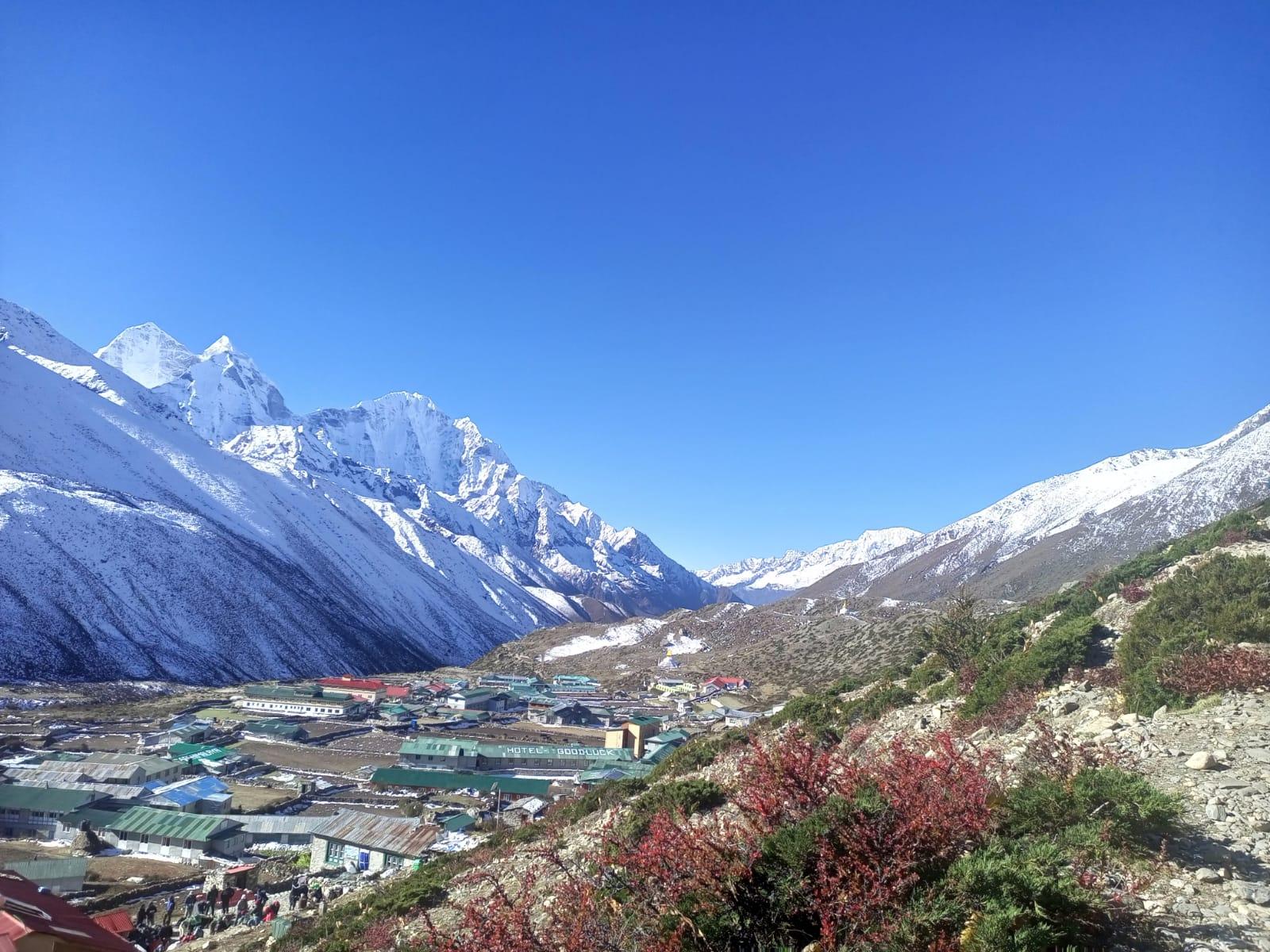
The Everest Base Camp Trek is one of the most remarkable high-altitude adventures in the world, attracting trekkers who want to experience the raw beauty of the Himalayas and the challenge of walking in thin air toward the base of the highest mountain on Earth. As the trend of high-altitude trekking continues to rise, more travelers are focusing on understanding and preventing altitude sickness before starting their journey. The route to Everest Base Camp gradually takes you from lower valleys in Kathmandu to extreme elevations above 5,000 meters, where oxygen levels are significantly reduced. Learning how to prevent altitude sickness is essential for safety, comfort, and successfully completing the trek without unnecessary health risks.
Understand What Altitude Sickness Really Is
Altitude sickness, also known as acute mountain sickness, occurs when the body struggles to adapt to reduced oxygen levels at higher elevations. A major trend among experienced trekkers is prioritizing education about altitude effects before arriving in the Himalayas. As you ascend toward places like Namche Bazaar and Dingboche, your body needs time to adjust to thinner air. Symptoms can include headache, nausea, dizziness, fatigue, and difficulty sleeping. Understanding these early warning signs is critical because ignoring them can lead to more serious conditions. Awareness is the first and most important step in preventing complications during the Everest Base Camp Trek.
Ascend Slowly and Follow Proper Acclimatization
One of the most effective ways to avoid altitude sickness is to ascend gradually and allow the body enough time to acclimatize. A growing trend among responsible trekkers is choosing itineraries that include built-in rest days at key elevations. These acclimatization stops, especially in places like Namche Bazaar and Dingboche, give the body time to adapt before moving higher. Rushing the ascent is one of the biggest causes of altitude-related problems. A steady pace, often summarized as “climb high, sleep low,” allows trekkers to safely adjust while continuing to progress toward Everest Base Camp. Proper acclimatization is not optional in high-altitude trekking; it is essential for survival and success.
Stay Properly Hydrated Throughout the Trek
Hydration plays a major role in preventing altitude sickness. A significant trend among high-altitude trekkers is maintaining consistent water intake rather than waiting until they feel thirsty. At higher elevations, the body loses fluids faster due to dry air, increased breathing rate, and physical exertion. Drinking enough water helps maintain circulation and supports oxygen delivery throughout the body. Many trekkers also use electrolyte supplements to maintain mineral balance. Reducing caffeine and alcohol intake is strongly recommended, as both can contribute to dehydration. Staying well-hydrated significantly improves the body’s ability to adapt to altitude changes during the Everest Base Camp Trek.
Maintain a Slow and Steady Walking Pace
Walking pace is often underestimated when it comes to altitude sickness prevention. A growing trend among experienced guides is encouraging trekkers to move slowly and consistently rather than pushing for speed. At higher elevations, even small bursts of overexertion can strain the body and increase symptoms of altitude sickness. A steady rhythm helps conserve energy and allows the body to adjust more effectively to decreasing oxygen levels. Resting frequently during ascents and avoiding unnecessary physical strain are key strategies. The goal is not speed but endurance, ensuring that every step toward Everest Base Camp is sustainable and safe.
Eat Properly to Maintain Energy Levels
Nutrition is another important factor in altitude sickness prevention. A major trend among trekking professionals is focusing on high-energy, easily digestible meals during high-altitude climbs. Carbohydrates are especially important because they require less oxygen to metabolize compared to fats and proteins. Meals like rice, pasta, potatoes, and local dal bhat provide essential energy for long trekking days. Skipping meals or eating too little can weaken the body and make it more vulnerable to altitude-related issues. Proper nutrition supports oxygen efficiency and helps maintain strength throughout the journey in the Himalayas.
Avoid Alcohol and Smoking at High Altitudes
One of the most critical recommendations for preventing altitude sickness is avoiding alcohol and smoking during the trek. A growing trend among responsible trekkers is eliminating these substances entirely while ascending. Alcohol can worsen dehydration and interfere with sleep quality, while smoking reduces oxygen intake and places additional stress on the lungs. Both habits significantly increase the risk of altitude-related complications. Maintaining clean breathing and hydration habits allows the body to adapt more effectively as you move through higher elevations such as Namche Bazaar, Dingboche, and beyond.
Recognize Symptoms Early and Take Action
Early detection of altitude sickness symptoms can make a significant difference in safety. A major trend among experienced trekking guides is encouraging immediate response to even mild symptoms. Ignoring headaches, dizziness, or nausea can lead to worsening conditions if ascent continues. If symptoms appear, the safest action is to stop ascending, rest, and allow the body time to recover. In more serious cases, descending to a lower altitude is the most effective treatment. Understanding that safety is more important than reaching the destination helps prevent dangerous situations during the Everest Base Camp Trek.
Consider Medication and Medical Preparation
Some trekkers choose to use preventive medications such as acetazolamide to reduce the risk of altitude sickness. A growing trend among medically prepared trekkers is consulting healthcare professionals before the journey to determine if medication is appropriate. While medication can assist with acclimatization, it should never replace proper trekking practices such as gradual ascent and hydration. Having a basic medical kit and understanding how to respond to altitude symptoms adds an extra layer of safety. Professional guidance ensures that any medical approach is used responsibly and effectively during the trek.
Conclusion
Avoiding altitude sickness on the Everest Base Camp Trek requires preparation, awareness, and responsible trekking habits. From ascending slowly and staying hydrated to maintaining a steady pace and recognizing early symptoms, every decision plays a role in ensuring safety at high altitude. As the trend of adventure travel continues to grow, more trekkers are realizing that success is not just about reaching Everest Base Camp but doing so safely and responsibly. With the right knowledge and disciplined approach, trekkers can fully enjoy the breathtaking journey through Kathmandu, Namche Bazaar, Dingboche, and beyond while minimizing the risks of altitude sickness and maximizing the beauty of the Himalayas.

 English
 French
 Spanish
 Portuguese
 Deutsch
 Turkish
 Dutch
Dutch
 Italiano
 Russian
 Romaian
 Portuguese (Brazil)
 Greek
Greek