


Top Signs You Need Professional Solar Panel Repair and Maintenance Near Me
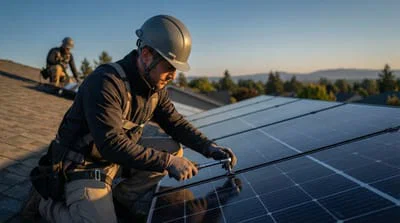
As clean energy adoption continues to break records across Florida, more homeowners from Fort Pierce to Palm City are discovering that keeping a solar energy system running efficiently requires periodic upkeep. While modern photovoltaic (PV) solar installations are incredibly durable and designed to last between 25 and 30 years, they are not completely "set it and forget it" systems.
Environmental wear, intense coastal weather, and component aging can all impact your system's efficiency over time. Catching the warning signs early ensures you maintain a high return on investment (ROI) and prevents minor component glitches from escalating into costly electrical overhauls.
Here are the top 10 signs that indicate it is time to look for professional solar panel repair and maintenance near you.
1. A Sudden, Unexplained Spike in Your Utility Bill
The most immediate indicator of an underperforming solar asset is a surprise charge on your monthly electric bill. If your household energy consumption habits haven’t changed, but your reliance on grid power has suddenly jumped, your solar system is failing to offset your electrical load. This baseline shift typically points to a hidden system-wide fault, a deactivated string of panels, or a failing inverter.
2. Dramatic Dips in Your Monitoring App Performance
Modern solar arrays utilize smart monitoring systems (such as Enphase Envoy or SolarEdge gateways) to track production in real time. If your performance dashboard exhibits persistent data gaps, displays an "Offline" or "Disconnected" status, or shows specific panels producing zero voltage while others operate normally, your system requires professional diagnostic troubleshooting. This is often caused by localized firmware errors, communication hardware failures, or open electrical circuits.
3. Inverter Fault Codes and Status Lights
The inverter serves as the central brain of your solar installation, converting the Direct Current ($DC$) power harvested by your panels into usable Alternating Current ($AC$) power for your home. Walk over to your physical inverter unit and inspect the display screen and indicator lights.
-
Normal Operation: Solid or blinking green lights.
-
Professional Attention Needed: Solid red status lights, flashing amber warning indicators, or active error codes on the digital interface.
Note: Because central inverters carry a standard lifespan of 10 to 15 years, they frequently require professional calibration or replacement at least once during the lifetime of the underlying panel array.
4. Visual Surface Damage (Cracks and Chips)
The tempered protective glass layer on your solar panels is engineered to withstand standard environmental impacts. However, extreme Florida weather events—including high-velocity hurricane winds, severe hailstorms, or falling airborne debris—can cause microcracks or structural fracturing. Broken glass breaches the panel's weatherproofing, allowing moisture infiltration that quickly corrodes internal solar cells and ruins electrical insulation.
5. Panel Discoloration and "Hot Spots"
If you look up at your roof and notice distinct yellow, brown, or dark scorch marks on the surface of your modules, your system is suffering from localized overheating. These "hot spots" occur when internal cell degradation or severe microcracks block the uniform flow of electricity, forcing energy to dissipate as intense heat instead. Hot spots severely decrease energy output and present a legitimate electrical fire risk if left unaddressed.
6. Corroded Racking and Loose Mounting Hardware
Racking hardware must remain perfectly rigid to keep your panels safely secured at the optimal angle for solar irradiance. In coastal or highly humid geographic zones, salt spray and moisture can accelerate the corrosion of mounting brackets, rails, and clamps. If you notice sagging panel rows, visible rust, or audible rattling during windy days, you need a professional technician to tighten structural fasteners and replace compromised aluminum or stainless steel racking components.
7. Constant Tripping of Circuit Breakers
If your home’s electrical panel experiences frequent breaker trips tied directly to your solar sub-panel, there is an active electrical instability within the system. This behavior is usually triggered by short circuits from degraded wiring insulation, severe power surges from lightning strikes, or an improperly balanced system design that pulls unsafe current thresholds through your home's circuits.
8. Pest Infestations and Chewed Wiring
The sheltered, warm gap between your roof surface and your solar panels creates an attractive nesting environment for local wildlife, including birds, squirrels, and rodents. Pests nesting under the array can accumulate debris that traps moisture against your roof. More critically, rodents frequently chew through electrical conduit and wiring insulation, causing ground faults that instantly disable entire sections of your solar array.
9. Delamination and Water Ingress
Delamination occurs when the protective polymer backing material peels away from the glass or silicon cells, a defect often accelerated by intense ultraviolet (UV) radiation and high humidity. Visually, this looks like cloudy patches, bubbling, or thin fogged lines winding across the panel surface. Once delamination begins, water ingress (moisture penetration) follows, causing internal short circuits and permanent cell failures.
10. Heavy Soiling Loss from Dust, Pollen, and Sap
Even if your electrical components are working perfectly, physical blockages on the glass surface will systematically starve your solar cells of sunlight. Industry experts refer to this efficiency drop as soiling loss. In areas with high pollen counts, urban pollution, construction dust, or dense bird populations, a thick layer of grime can easily sap 10% to 15% of your total energy production. Professional, bi-annual cleanings using specialized deionized water systems ensure your panels operate at peak efficiency without scratching the anti-reflective glass coatings.
Diagnosing Your Solar Health
If you suspect your system is underperforming, solar technicians typically employ specialized diagnostic tools to pinpoint the exact failure point before beginning repairs:
| Diagnostic Method | What It Measures / Identifies | Primary Use Case |
| Visual Inspection | Cracks, surface discoloration, pest nests, severe dirt buildup | Routine maintenance checks |
| Infrared (IR) Thermal Imaging | Hidden temperature anomalies and active electrical resistance | Identifying dangerous hot spots and cell failures |
| Electrical Multimeter Testing | Voltage and current output across strings and individual modules | Troubleshooting zero-voltage drop-offs and open circuits |
| Inverter Telemetry Analysis | System error logs, grid synchronization issues, conversion efficiency | Correcting persistent system shutdowns and firmware bugs |

 Arabic
 French
 Spanish
 Portuguese
 Deutsch
 Turkish
 Dutch
Dutch
 Italiano
 Russian
 Romaian
 Portuguese (Brazil)
 Greek
Greek