


Role of Insulin in human body : FFD
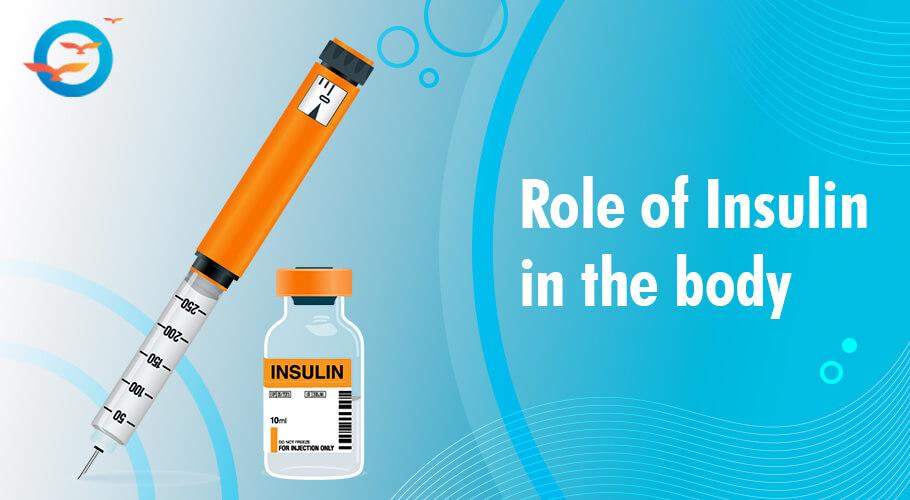
Insulin is a hormone produced by beta cells that are situated in the pancreatic islets of Langerhans. The pancreatic beta cells, being sensitive to blood sugar levels, secrete insulin into the blood when glucose levels are high; and slow or stop the secretion if glucose levels are low.
When you eat, the carbohydrate in your food is converted into glucose which floods the blood circulatory system. This excess of glucose prompts the pancreas to secrete insulin. The insulin unlocks cells in the body, allowing glucose to enter the cells, effectively dropping the concentration of glucose in the blood. About 70% of the glucose is used by your muscular-skeletal system, which is why exercise, especially muscle-building resistance exercises are so important for controlling type 2 diabetes.
In addition to regulating blood sugar levels by sending glucose to muscle cells, insulin converts the excess glucose into fat, which is in effect a store for calories. Thus, when there is a surplus of calories—i.e. when you overconsume food—the glucose that is left over after the body’s cells have been filled is automatically converted into fat. Since diabetics generally have higher concentrations of insulin in the body, their tendency to gain weight is also higher. This is also why insulin-dependent diabetics are often overweight or suffer from obesity.
Insulin is needed to enable the body to store glucose in your muscles or liver and convert excess glucose into fat as storage for future energy requirements. Lack of insulin impairs its ability to perform both these functions In its absence, the fat breaks down to create keto acids, which can trigger diabetic ketoacidosis, a potentially fatal condition, if levels grow too high.
Insulin’s Effect on Different Parts of The Body
1. Brain
There is evidence that suggests that insulin promotes glucose absorption in the tissues of the spinal cord and certain parts of the brain. It also impacts other physiological functions such as memory, cogitation and the ability to keep the brain’s neural network healthy. Thus insulin resistance increases the risk of damage to the cognitive system and the risk of dementia.
2. Kidneys
High blood sugar can damage the tiny renal pathways in the kidney, affecting their ability to filter our creatinine and excrete it via urine. This is why diabetics tend to have high levels of creatinine in their systems. Over time this will lead to kidney damage and ultimately require dialysis or replacement.
Browse full blog-
https://www.freedomfromdiabetes.org/blog/post/role-of-insulin-in-the-human-body-ffd/2787
Contact us :-
Mob : +91-7776077760
Email-Id : info@freedomfromdiabetes.org
Also connect with us on our website , Facebook page, and youtube

 English
 French
 Spanish
 Portuguese
 Deutsch
 Turkish
 Dutch
Dutch
 Italiano
 Russian
 Romaian
 Portuguese (Brazil)
 Greek
Greek