


The Complete Guide to Gold Filled Supplies and Gold Jewelry for Every Style
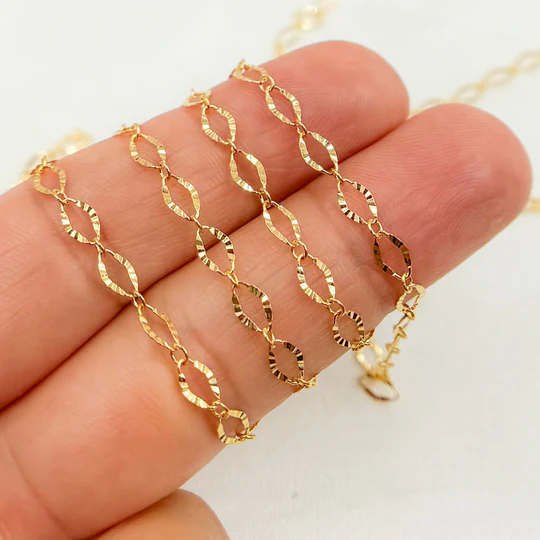
The Complete Guide to Gold Filled Supplies and Gold Jewelry for Every Style
Fine jewelry has always been a symbol of personal expression, lasting value, and refined taste. Whether you are a jewelry maker sourcing gold filled supplies for your craft or a fashion-conscious buyer investing in gold jewelry for everyday wear, understanding the materials you work with or wear makes all the difference. This guide covers everything you need to know - from what gold filled supplies actually are, to how they compare with other materials, styling tips for gold jewelry, and how to make informed buying decisions every time.
What Are Gold Filled Supplies and Why Do They Matter
Gold filled supplies refer to a category of jewelry-making components - chains, findings, clasps, ear wires, headpins, jump rings, and more - that are made using a gold filled material. Gold filled is produced by mechanically bonding a thick layer of real gold to a base metal core (typically brass) through heat and pressure.
The result is a material that looks, feels, and behaves very similarly to solid gold but is available at a significantly lower price point - making it the preferred choice for professional jewelry makers, boutique designers, and small-batch producers.
How Gold Filled Differs From Gold Plated
This distinction matters enormously in the jewelry industry, and many buyers confuse the two:
Gold filled has a thick, durable layer of gold that is heat-bonded to the base metal. In the United States, gold filled jewelry must contain at least 1/20th (5%) of its total weight in gold. This thick layer means gold filled jewelry can last years - even decades - of regular wear without fading or peeling under normal conditions.
Gold plated uses a microscopic layer of gold applied through electroplating. This layer is significantly thinner and will eventually wear off with daily use, exposing the base metal underneath.
For anyone sourcing gold filled supplies for professional jewelry production, the durability advantage of gold filled over gold plated is substantial and directly impacts the longevity and customer satisfaction of the finished product.
Common Types of Gold Filled Supplies
The range of available gold filled supplies is broad and covers virtually every component a jewelry maker needs:
- Gold filled chains - available in cable, rope, curb, box, rolo, and specialty styles; sold by the foot or by finished length
- Gold filled clasps - lobster clasps, spring ring clasps, toggle clasps, and more
- Gold filled ear wires - French hooks, lever backs, kidney wires
- Gold filled headpins and eyepins - used for creating dangles and drop earrings
- Gold filled jump rings - available in various gauges and diameters
- Gold filled beads - round, faceted, and specialty shapes for stringing and wire wrapping
- Gold filled connectors - two-hole and multi-hole connectors for linking design elements
- Gold filled crimps - used to secure beading wire ends cleanly
Choosing the Right Karat for Gold Filled Supplies
Gold filled supplies are available in 12kt and 14kt gold filled options:
- 12kt gold filled - contains 12 karats of gold in the bonded layer; slightly more affordable
- 14kt gold filled - contains 14 karats of gold; richer in color and more closely resembles solid 14k gold
For most professional applications, 14kt gold filled is the preferred standard because its color and appearance align closely with solid 14k gold, making finished pieces look more premium.
Rose Gold and Yellow Gold Filled Options
Gold filled supplies are available in both yellow gold and rose gold finishes. Rose gold filled has become extremely popular in recent years for its warm, romantic tone that complements a wide range of skin tones and styling preferences. Yellow gold filled remains the classic standard and is universally versatile.
Gold Jewelry - Understanding What You Are Buying
Gold jewelry is one of the most purchased categories in fine and fashion jewelry worldwide. However, not all pieces labeled "gold jewelry" are made from the same material. Understanding the key distinctions helps buyers make more confident, satisfying purchases.
Types of Gold Jewelry by Material
Solid Gold Jewelry
Solid gold jewelry is made from a gold alloy throughout - there is no base metal core or coating. The gold runs consistently from the surface to the center of every link, component, and setting. Solid gold jewelry in 14kt or 18kt is the highest-quality option for everyday fine jewelry.
Gold Filled Jewelry
Gold filled jewelry uses the bonded-layer material described above. It is an excellent middle-ground option - durable, beautiful, and accessible in price. Well-made gold filled jewelry can last many years with proper care, making it a popular choice for boutique and independent jewelry brands.
Gold Vermeil
Gold vermeil is sterling silver that has been gold plated to a specific minimum thickness. It is higher quality than standard gold plating because the base metal is silver rather than brass. However, it is still a plated product and will eventually show wear.
Gold Plated Jewelry
Gold plated jewelry has the thinnest gold layer of all options. It is the most affordable but also the least durable. For fashion jewelry worn occasionally, it is acceptable. For everyday wear, it is not a practical long-term choice.
Styling Gold Jewelry for Every Occasion
Gold jewelry is one of the most versatile categories in fashion accessories. Its warm tones complement virtually every skin tone, and its range of styles - from delicate to bold - means there is a gold piece for every occasion.
Everyday Gold Jewelry Looks
For daily wear, the goal is comfort, durability, and effortless style. The best everyday gold jewelry choices include:
- Delicate gold chain necklaces in cable or rolo styles
- Simple gold hoop earrings - small to medium size
- Thin gold bangle bracelets worn individually or stacked
- Minimalist gold rings - plain bands or subtle textured designs
These pieces are easy to style, resist tangling, and work with both casual and professional outfits without requiring much thought.
Statement Gold Jewelry for Special Occasions
When the occasion calls for more presence, bold gold jewelry pieces make an immediate impact:
- Chunky gold link chains - curb or Franco styles in wider widths
- Layered gold necklaces - combining two or three different chain styles and lengths
- Gold drop earrings with gemstone or diamond accents
- Wide gold cuff bracelets or bangles with embellishment
Layering Gold Jewelry - Key Principles
Layering has become one of the most popular jewelry styling trends. Here is how to do it well:
- Mix chain styles - pair a delicate cable with a slightly bolder rolo or paperclip
- Vary lengths - 16 inches at the collarbone, 18 inches below, 20–22 inches for a third layer
- Stay consistent with metal tone - mixing yellow gold, rose gold, and white gold in one look can appear uncoordinated
- Add a pendant to one layer as a focal point - keep the others unadorned
How to Care for Gold Filled Supplies and Gold Jewelry
Proper care extends the life of both finished gold jewelry and gold filled supply components significantly.
Cleaning Gold Filled Jewelry
- Use warm water with a small amount of mild dish soap
- Gently clean with a soft-bristled toothbrush, paying attention to clasps and chain links
- Rinse thoroughly under clean running water
- Pat completely dry with a soft, lint-free cloth
- Avoid ultrasonic cleaners for gold filled pieces - the vibration can stress the bonded layer over time
Storing Gold Jewelry Properly
- Store individual pieces in separate compartments or soft pouches to prevent scratching and tangling
- Keep jewelry away from humid environments - bathroom storage is generally not ideal for fine jewelry
- Anti-tarnish strips placed in storage boxes slow down oxidation effectively
- Clasp necklaces and bracelets before storing to prevent chain tangling
What to Avoid
- Avoid exposing gold filled jewelry to chlorine - swimming pools and hot tubs can accelerate wear on the bonded layer
- Remove jewelry before applying lotions, perfumes, hairspray, or cleaning products
- Avoid wearing gold jewelry during heavy physical work or contact sports
Sourcing Gold Filled Supplies - What Professional Jewelry Makers Look For
For jewelry designers and makers sourcing gold filled supplies professionally, several factors determine the quality and reliability of a supplier.
Consistency of Gold Layer
The gold layer in gold filled components should be even and consistent across the entire surface. Uneven bonding leads to early wear in high-friction areas like clasp connections and chain links.
Accurate Labeling and Karat Disclosure
Every component should be clearly labeled with its karat (12kt or 14kt) and whether it is yellow or rose gold filled. Reputable suppliers like Tresor Jewelry Inc. provide clear product specifications, making it easy for designers to maintain consistency across their collections.
Range of Components
A good gold filled supply source carries a full range of components - chains, findings, beads, and clasps - so designers can source everything they need from a single, trusted vendor rather than managing multiple supplier relationships.
Wholesale Pricing Structure
Professional jewelry makers require wholesale pricing to maintain viable margins. Look for suppliers who offer tiered pricing based on volume and who are transparent about per-unit costs.
FAQs
Q1. What is the difference between gold filled supplies and gold plated supplies?
Gold filled supplies have a thick, heat-bonded layer of real gold that makes up at least 5% of the total item weight. Gold plated supplies have a microscopic electroplated gold layer that wears off relatively quickly. For professional jewelry making, gold filled is significantly more durable and produces a higher-quality finished product.
Q2. How long does gold filled jewelry last?
With proper care, gold filled jewelry can last 10–30 years or more. The thick bonded gold layer is designed for extended wear. Avoiding chlorine, harsh chemicals, and abrasive cleaning preserves the finish and extends the lifespan considerably.
Q3. Is gold filled jewelry safe for sensitive skin?
In most cases, yes. The thick gold layer in gold filled jewelry prevents the base metal from coming into direct contact with skin under normal wear conditions. People with metal sensitivities generally tolerate gold filled jewelry well, though individual reactions can vary.
Q4. Can gold filled supplies be used for professional jewelry production?
Absolutely. Gold filled supplies are the industry standard for independent jewelry designers and boutique brands who want to produce quality pieces at accessible price points. They offer the look and durability of solid gold at a fraction of the cost, making finished jewelry profitable while remaining premium in appearance.
Q5. What styles of gold jewelry are most versatile for everyday wear?
Delicate chain necklaces, small to medium hoop earrings, slim bangle bracelets, and simple gold rings are the most versatile everyday gold jewelry styles. They transition seamlessly from casual to formal settings and complement virtually any outfit or personal style.

 Arabic
 French
 Spanish
 Portuguese
 Deutsch
 Turkish
 Dutch
Dutch
 Italiano
 Russian
 Romaian
 Portuguese (Brazil)
 Greek
Greek