


How to Fix Receding Gums: Effective Treatments and Preventive Tips
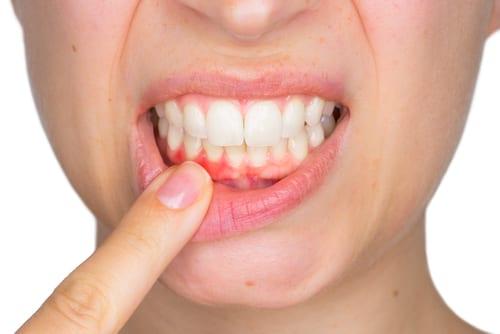
Receding gums is a common dental issue that affects many individuals, and if left untreated, it can lead to further oral health problems. The condition occurs when the gum tissue surrounding the teeth begins to wear away, exposing more of the tooth or its root. This can lead to increased sensitivity, a higher risk of cavities, and even tooth loss. In this article, we’ll explore the causes of receding gums, how to fix the issue, and preventive measures you can take to avoid future gum recession.
Understanding Receding Gums
Receding gums can happen gradually and might not always be immediately noticeable. Some of the early signs include increased tooth sensitivity, especially when consuming hot or cold foods, and the appearance of longer teeth. In severe cases, you may notice that the teeth look abnormally spaced, which can cause discomfort or self-consciousness.
Several factors contribute to receding gums, including poor oral hygiene, gum disease (periodontitis), aging, smoking, and even genetic predisposition. It’s crucial to identify the root cause of gum recession in order to choose the right treatment plan and prevent further damage.
Effective Ways to Fix Receding Gums
If you are struggling with receding gums, it’s essential to take immediate action to address the issue. Although the condition is not always reversible, there are several treatments that can help stop the recession and restore gum health.
1. Visit a Dentist for a Professional Assessment
The first step in fixing receding gums is visiting your dentist. A professional cleaning, also known as scaling and root planing, may be necessary to remove plaque and tartar buildup that can contribute to gum recession. In some cases, your dentist may suggest a gum graft to restore lost gum tissue.
A gum graft involves taking tissue from another part of your mouth, such as the roof of your mouth, and attaching it to the affected areas. This procedure can help protect the tooth roots from further damage and improve the appearance of your smile.
2. Adopt Proper Oral Hygiene Practices
One of the most effective ways to stop the progression of receding gums is by adopting proper oral hygiene habits. Brushing your teeth twice a day with a soft-bristled toothbrush and fluoride toothpaste can help remove plaque buildup without causing further damage to your gums. Avoid using a hard-bristled toothbrush or brushing too aggressively, as this can exacerbate gum recession.
Flossing daily is also essential for removing food particles and plaque from between the teeth and along the gum line. If you find traditional flossing difficult, consider using a water flosser or interdental brushes as alternatives.
3. Consider Surgical Options
In more advanced cases of gum recession, surgery may be required to repair the damage. Your dentist may recommend a gum graft or a pinhole surgical technique to restore gum tissue. The pinhole surgical technique involves making a small hole in the gum tissue and using special instruments to reposition and tighten the gums around the teeth. This minimally invasive procedure can be an effective solution for severe gum recession without the need for stitches.
4. Use a Therapeutic Mouthwash
Incorporating an antimicrobial or therapeutic mouthwash into your daily routine can help reduce the bacteria that contribute to gum disease and gum recession. Look for mouthwashes that contain chlorhexidine or fluoride, as these ingredients can help strengthen your gums and prevent further damage.
5. Stop Smoking
Smoking is a leading cause of gum disease and can significantly increase the likelihood of gum recession. The toxins in tobacco products can impair blood flow to the gums, making it harder for your body to fight off infections. If you smoke, quitting is one of the most important steps you can take to prevent further gum recession and improve your overall oral health.
Dental Advice Today: Prevention is Key
Dental advice today preventing receding gums requires consistent care and attention to your oral hygiene. Following the advice of dental professionals today can help you maintain healthy gums for a lifetime. Some of the most effective prevention tips include:
1. Maintain a Healthy Diet
A balanced diet rich in vitamins and minerals, particularly vitamin C, calcium, and antioxidants, can help promote healthy gums. Avoid sugary foods and drinks, as they can contribute to plaque buildup and gum disease. Drinking plenty of water also helps to keep your mouth hydrated and rinse away harmful bacteria.
2. Use a Soft-Bristled Toothbrush
To avoid irritating your gums, always use a soft-bristled toothbrush. Brush your teeth gently in small circular motions, especially around the gum line. Brushing too hard or using a hard-bristled brush can cause your gums to recede over time.
3. Protect Your Gums with a Mouth Guard
If you grind your teeth at night (a condition known as bruxism), you may unknowingly cause damage to your gums and teeth. A custom-fitted mouthguard can protect your teeth from grinding and help prevent gum recession.
4. Schedule Regular Dental Check-ups
Regular dental visits are essential for maintaining optimal oral health. During these check-ups, your dentist will assess the condition of your gums and teeth, identify any potential issues, and provide professional cleaning to remove plaque and tartar. Early detection and treatment of gum disease can prevent further gum recession and keep your smile healthy.
5. Address Teeth Misalignment Issues
Teeth misalignment can contribute to gum recession, as misaligned teeth place additional pressure on the gums. If you have crooked or crowded teeth, it’s a good idea to consult with an orthodontist. Braces or other orthodontic treatments can help align your teeth, reduce stress on the gums, and prevent further recession.
Home Remedies for Gum Recession
In addition to professional treatments, there are several home remedies you can use to improve the health of your gums. While these remedies should not replace professional care, they can provide some relief and help manage mild cases of gum recession.
1. Saltwater Rinse
Saltwater rinses can help soothe inflamed gums and promote healing. Simply mix half a teaspoon of salt in a glass of warm water and swish it around in your mouth for 30 seconds. This can help reduce bacteria and inflammation in the affected area.
2. Aloe Vera Gel
Aloe vera is known for its healing properties, and it can be beneficial for treating receding gums. Apply fresh aloe vera gel directly to the affected gums and leave it on for about 10 minutes before rinsing it off. Aloe vera helps soothe irritation and promote tissue healing.
3. Green Tea
Green tea is packed with antioxidants that can help reduce gum inflammation and promote overall oral health. Drinking green tea regularly may help combat the bacteria that contribute to gum disease and prevent further gum recession.
4. Oil Pulling
Oil pulling is an ancient practice that involves swishing oil (such as coconut oil) in your mouth for 10–15 minutes. This method is believed to help reduce plaque and bacteria, leading to healthier gums. While more research is needed, many people find oil pulling to be an effective natural remedy for improving oral health.
Conclusion
Receding gums can be a concerning issue, but with the right treatment and preventive measures, you can stop the progression of gum recession and restore your oral health. Visiting your dentist for a professional evaluation, practicing good oral hygiene, and making lifestyle changes such as quitting smoking are all essential steps in addressing gum recession. Additionally, incorporating healthy habits like eating a balanced diet and scheduling regular dental check-ups can help keep your gums in top condition.
Remember, Fixing receding gums is possible with the right approach, so take action today to protect your gums and maintain a healthy smile.

 Arabic
 French
 Spanish
 Portuguese
 Deutsch
 Turkish
 Dutch
Dutch
 Italiano
 Russian
 Romaian
 Portuguese (Brazil)
 Greek
Greek