


What Happens During Environmental Property Investigations
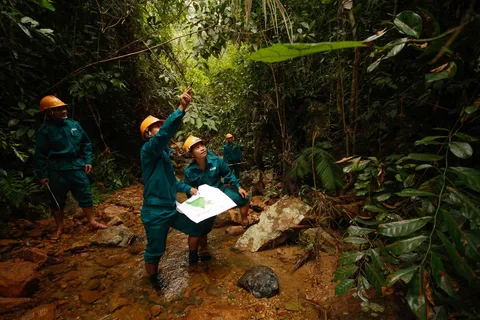
Environmental property investigations are systematic processes for assessing contamination risk. Many property buyers and owners have limited understanding of what these investigations involve. Knowing what to expect helps stakeholders participate effectively in the process. This article explains what actually happens during each stage of an environmental property investigation.
The Trigger for Environmental Property Investigation
Environmental property investigations are triggered by various circumstances. Commercial real estate transactions routinely require investigation before purchase closing. Development permit applications for former industrial sites require investigation evidence. Lender requirements for loan approvals commonly trigger environmental investigation needs. Suspected contamination from nearby activities may also prompt property-owner-initiated investigations.
Understanding what triggered an investigation shapes its scope and objectives. A transaction-driven investigation focuses on characterizing risk for buyer decision-making. A regulatory compliance investigation addresses specific agency concerns or requirements. A voluntary investigation supports proactive site management by a responsible property owner. The investigation's purpose guides every decision about scope, methods, and reporting format.
Selecting the Right Environmental Consultant
Selecting a qualified environmental consultant is the first practical step. Consultants should hold relevant professional credentials and carry appropriate insurance coverage. Experience with similar property types and contamination scenarios is highly relevant. References from previous clients provide insight into consultant reliability and communication quality. Consultant selection significantly affects the quality and usefulness of investigation results.
Initial consultant meetings define investigation objectives and scope clearly. The consultant reviews available historical information before proposing an investigation program. A preliminary scope of work describes proposed methods, timelines, and estimated costs. Property owners and buyers should ask detailed questions about the proposed approach. Understanding what the investigation will and will not characterize sets appropriate expectations.
Phase I: The Desk Study and Site Reconnaissance
Phase I investigation begins in the office with document and database research. Historical records including aerial photographs, maps, and land use registries are reviewed. Environmental regulatory databases are searched for records related to the property. Nearby contaminated sites and underground storage tanks are identified through database searches. This desk study builds a picture of the property's environmental risk history.
Site reconnaissance follows the completion of desk study research. The environmental consultant visits the property and conducts a systematic walkthrough. Current property conditions are observed, documented, and photographed throughout. Signs of contamination including stained soils, stressed vegetation, and unusual odors are noted. Surrounding properties are visually assessed for potential contamination migration sources.
Phase I Report Preparation and Conclusions
After fieldwork, the consultant prepares the Phase I assessment report. The report documents research findings, reconnaissance observations, and conclusions. Recognized environmental conditions identified during the assessment are clearly described. The report recommends whether Phase II physical investigation is warranted. A well-prepared Phase I report is a clear and usable decision-making tool.
Report review by a senior qualified professional adds quality assurance. The reviewing professional evaluates whether conclusions are supported by the documented evidence. Gaps in research or reconnaissance that affect conclusions are identified and addressed. Client review of draft reports allows correction of factual errors before finalization. Final Phase I reports represent the professional opinion of the assessors and reviewing professional.
Phase II: Planning the Physical Investigation
Phase II investigation planning begins with careful review of Phase I findings. Areas of concern identified in Phase I are mapped and prioritized for sampling. A sampling program is designed that addresses each recognized environmental condition systematically. Sampling locations are selected to detect contamination efficiently if it is present. The sampling design is documented in a sampling and analysis plan.
Regulatory notification before Phase II may be required in some jurisdictions. Some agencies require advance notice and approval of investigation programs. Meeting regulatory notification requirements prevents compliance complications. Landowner access agreements must be in place before any physical work begins. Property owners are informed about planned field activities, equipment, and schedules.
Mobilizing Field Investigation Teams
Field investigation teams are assembled and briefed before mobilization. Team members are trained in relevant health and safety procedures for the site. Site-specific health and safety plans address potential contamination exposure risks. Personal protective equipment is selected based on potential contaminant exposures. Field personnel understand their individual roles and responsibilities before arriving on site.
Field equipment is inspected and tested before mobilization. Decontamination equipment and supplies for preventing cross-contamination are prepared. Sample containers, preservation chemicals, and chain of custody forms are assembled. Field instruments are calibrated according to manufacturer specifications. Proper preparation before mobilization prevents field problems that delay investigation programs.
Phase II: Active Field Investigation Activities
Active field investigation begins with site setup and safety briefing. Equipment is positioned according to the sampling and analysis plan layout. Sampling locations are surveyed and marked in the field. Safety barriers and signage protect the public and site personnel during operations. Documentation of setup activities begins the field investigation record.
Soil sampling using direct push or drilling equipment follows site setup. Soil samples are collected at planned depth intervals from each sampling location. Field geologists describe and log soil characteristics at every sample depth. Field screening instruments scan soil samples for volatile organic compounds. Elevated field screening readings guide additional sampling in contaminated zones.
Monitoring Well Installation During Phase II
Monitoring wells are installed when groundwater investigation is included in the Phase II scope. Well installation begins with drilling a borehole to the target depth. The well casing is installed and grouted following regulatory construction standards. Screen placement at the target monitoring depth interval is verified before grouting. Well installation records document every construction detail for regulatory and project records.
The process of phase 2 environmental site assessment well installation requires strict quality control throughout. Casing material selection must be appropriate for anticipated contaminant types. Grout seal integrity protects groundwater quality and data representativeness. As-built records of each well become permanent property documents used for future monitoring. Quality well installation is the foundation of reliable long-term groundwater monitoring data.
Laboratory Analysis and Data Review
Collected samples are packaged, preserved, and shipped to the laboratory promptly. Chain of custody documentation accompanies all samples from field to laboratory. Laboratory analysts receive and log samples against the chain of custody records. Analysis begins according to project-specified hold times for each analytical parameter. Timely sample submission protects sample integrity and analysis validity.
Laboratory results are received electronically and reviewed against quality control criteria. Results with failed quality control indicators are flagged for investigation. Failed quality control may require reanalysis or resampling to obtain usable data. Approved results are entered into the project data management system. Complete, quality-controlled analytical data is the foundation for Phase II report preparation.
Comparing Results to Regulatory Guidelines
Approved laboratory results are compared to applicable regulatory guideline values. Guidelines exist for soil and groundwater at different land use categories. Residential land use guidelines are the most stringent for most contaminant parameters. Exceedances of applicable guidelines are identified and mapped spatially. The pattern of exceedances reveals the extent and distribution of contamination present.
Context is important in interpreting guideline exceedances correctly. A single exceedance in a single sample requires careful interpretation. Multiple exceedances in adjacent samples indicate genuine contamination requiring management. Exceedances of naturally elevated background concentrations require careful distinction from industrial contamination. Experienced environmental scientists interpret analytical results in their proper geological and regulatory context.
Preparing and Delivering the Phase II Report
Phase II report preparation integrates all field and laboratory data into a coherent assessment. The report describes the investigation methodology and documents all field activities. Results are presented in tables and figures that communicate findings clearly. Contamination is mapped spatially to show its distribution across the site. Conclusions state clearly whether contamination was detected and whether it exceeds applicable guidelines.
Report recommendations address the implications of findings for property transactions and management. Clean properties are recommended for unrestricted sale with no environmental conditions. Contaminated properties receive recommendations for remediation scope and approach. Regulatory consultation recommendations guide property owners through required agency interactions. Practical, actionable recommendations make Phase II reports genuinely useful to their recipients.
After the Investigation: Acting on Findings
Property transaction decisions are made based on Phase II investigation findings. Clean investigation results allow transactions to proceed with environmental confidence. Contamination discoveries trigger price negotiations or transaction restructuring discussions. Sellers and buyers negotiate remediation responsibilities, costs, and liability allocations. Experienced legal and environmental advisors guide parties through post-investigation negotiations.
Regulatory reporting obligations may arise from Phase II findings in some jurisdictions. Discoveries of contamination above specified threshold concentrations require regulatory notification. Notification timelines and reporting requirements vary by jurisdiction and contaminant type. Consultants experienced in regulatory requirements guide timely and accurate notification. Fulfilling regulatory obligations promptly after investigation demonstrates responsible environmental stewardship.

 Arabic
 French
 Spanish
 Portuguese
 Deutsch
 Turkish
 Dutch
Dutch
 Italiano
 Russian
 Romaian
 Portuguese (Brazil)
 Greek
Greek