


How Professional Technicians Diagnose Dryer Problems
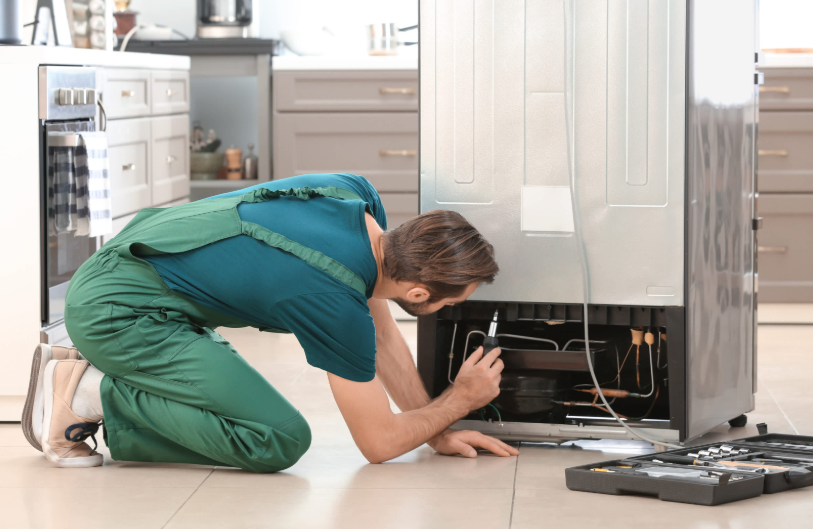
Modern dryers are essential household appliances, and when they stop working properly, it can quickly disrupt daily routines. While many homeowners attempt basic troubleshooting, professional diagnosis is often necessary to identify the true cause of the issue. Skilled experts offering dryer repair services in Pompano Beach fl follow a structured process to locate problems accurately and ensure long-lasting solutions rather than temporary fixes.
Understanding the Importance of Proper Diagnosis
A dryer is a complex appliance made up of electrical, mechanical, and thermal components working together. When one part fails, it can affect the entire system. Professional technicians understand that symptoms such as no heat, unusual noises, long drying times, or complete shutdowns may be caused by multiple underlying issues.
Instead of guessing, trained technicians use a systematic approach to isolate the problem. This prevents unnecessary part replacements and reduces repair costs for homeowners. Proper diagnosis also improves safety, as dryers involve high voltage electricity and heat-producing elements.
Initial Inspection and Customer Feedback
The diagnostic process usually begins with a detailed discussion with the homeowner. Technicians ask questions such as:
When did the problem start?
Is the dryer making unusual sounds?
Are clothes taking longer to dry than usual?
Has the dryer stopped heating completely?
This information helps narrow down possible causes before the physical inspection begins. For example, longer drying times may indicate airflow blockage, while no heat could point to a faulty heating element or thermostat.
After gathering information, the technician performs a visual inspection of the appliance. They check for obvious issues like lint buildup, damaged cords, loose connections, or signs of burning or wear.
Checking Power Supply and Electrical Connections
One of the most common issues with dryers is power-related problems. Technicians first ensure the appliance is receiving the correct voltage. Electric dryers typically require a 240-volt supply, and even small fluctuations can cause performance issues.
They inspect:
Power cord condition
Wall outlet functionality
Circuit breaker status
Terminal block connections
If any electrical issue is detected, it is addressed immediately before moving to internal components. This step is critical because many dryers are mistakenly assumed to be broken when the real issue is simply a tripped breaker or faulty outlet.
Examining the Heating System
For dryers that run but do not heat properly, the heating system becomes the primary focus. Professional technicians test components such as:
Heating element
Thermal fuse
High-limit thermostat
Operating thermostat
Each part plays a specific role in regulating temperature. Using specialized tools like multimeters, technicians check continuity and resistance levels to determine whether components are functioning correctly.
A burned-out heating element or blown thermal fuse is a common cause of heating failure. However, experts also investigate why the failure occurred, such as restricted airflow or overheating, to prevent repeat issues.
Inspecting Airflow and Ventilation
Restricted airflow is one of the leading causes of dryer inefficiency and breakdowns. Technicians carefully inspect the entire ventilation system, including:
Lint filter
Internal ductwork
Exterior vent cap
Flexible vent hose
Even a small lint blockage can significantly reduce drying performance and cause overheating. In severe cases, clogged vents can become a fire hazard.
Professionals often use airflow meters or visual tools to confirm that air is moving freely through the system. If blockages are found, they clean and restore proper ventilation to ensure safe operation.
Evaluating the Drum and Mechanical Components
If the dryer is making unusual noises or failing to spin, the issue is likely mechanical. Technicians examine components such as:
Drive belt
Drum rollers
Idler pulley
Motor assembly
A worn-out belt may cause the drum to stop spinning, while damaged rollers can create loud squeaking or thumping sounds. Motor issues are more serious and require in-depth testing to determine if repair or replacement is necessary.
Technicians rotate the drum manually to check for resistance or uneven movement, which helps identify hidden mechanical problems.
Testing Sensors and Control Systems
Modern dryers rely heavily on electronic sensors and control boards. These components regulate temperature, drying cycles, and moisture levels.
Technicians test:
Moisture sensors
Control board circuits
Timer functions
Start switch response
A malfunctioning sensor can cause the dryer to shut off too early or continue running unnecessarily. Similarly, a faulty control board may prevent the dryer from starting altogether.
Using diagnostic tools, professionals interpret error codes displayed on digital panels to pinpoint specific failures.
Final Diagnosis and Repair Recommendations
After completing all tests and inspections, the technician compiles their findings into a clear diagnosis. They explain the issue to the homeowner in simple terms and provide repair options.
This may include:
Replacing faulty parts
Cleaning internal components
Repairing electrical connections
Improving ventilation systems
Professional technicians always aim to provide cost-effective solutions that extend the life of the appliance rather than recommending unnecessary replacements.
Preventive Advice for Homeowners
In addition to repairs, technicians also educate homeowners on preventing future issues. Common recommendations include:
Cleaning the lint filter after every use
Inspecting vents regularly
Avoiding overloading the dryer
Scheduling routine maintenance checks
These simple steps can significantly improve efficiency and reduce the likelihood of breakdowns.
Conclusion
Professional dryer diagnosis is a detailed and methodical process that goes far beyond surface-level inspection. From electrical testing to airflow analysis and mechanical evaluation, technicians use advanced tools and expertise to identify the root cause of problems. By relying on trained professionals, homeowners ensure safer operation, better efficiency, and longer appliance life.

 Arabic
 French
 Spanish
 Portuguese
 Deutsch
 Turkish
 Dutch
Dutch
 Italiano
 Russian
 Romaian
 Portuguese (Brazil)
 Greek
Greek