


Threaded Bars / Threaded Rods: A Comprehensive Guide
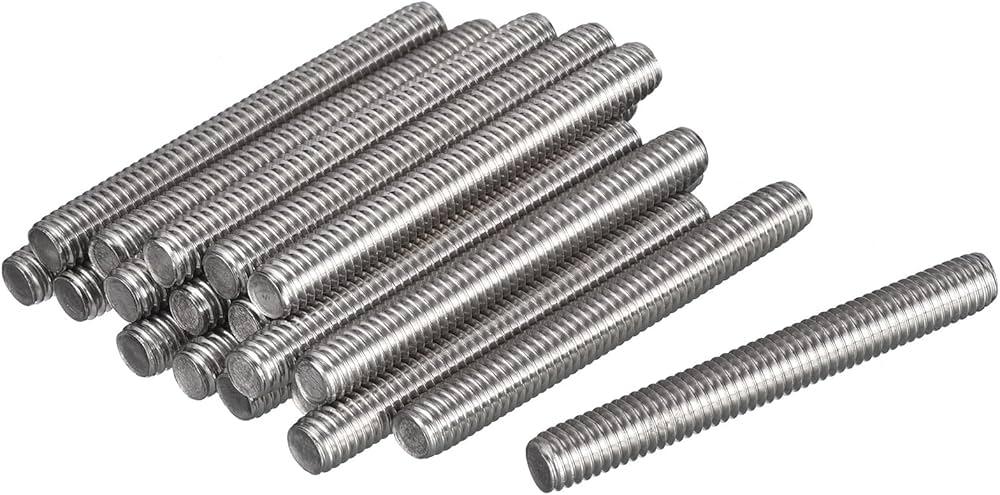
In the world of construction, engineering, and manufacturing, threaded bars, also known as threaded rods, play a silent yet crucial role. Whether you’re building skyscrapers, bridges, machinery, or even home furniture, these versatile fasteners ensure strength, stability, and seamless connection. In this comprehensive guide, we’ll dive into what threaded bars are, their uses, types, materials, and benefits, and why they are a must-have in every industrial toolkit.
What Are Threaded Bars?
A threaded bar is a long metal rod that is threaded on both ends or along its entire length. The threading allows nuts, bolts, and other fasteners to be easily attached, making it a flexible connector in both tension and compression applications.
Threaded bars are often referred to as studs, all-thread rods, or threaded studs, depending on the specific use. Their simple yet robust design enables them to hold components securely in place, making them indispensable in numerous industries, from construction and plumbing to automotive and electrical works.
Key Features of Threaded Bars
What makes threaded bars so reliable and widely used? Here are some standout features:
-
High Tensile Strength: They can handle heavy loads and stress, making them ideal for structural and mechanical applications.
-
Versatile Design: Compatible with nuts, washers, and other fittings, threaded bars can be cut to any length for customization.
-
Corrosion Resistance: When made from stainless steel, galvanized steel, or other protective coatings, these bars resist rust and environmental damage.
-
Ease of Installation: Their uniform threading allows for fast assembly and disassembly, reducing installation time.
These characteristics make threaded bars a go-to choice for both temporary and permanent fastening needs.
Applications of Threaded Bars
The uses of threaded bars extend across a wide range of industries. Let’s look at some of the most common applications:
-
Construction & Infrastructure:
Threaded bars are extensively used in concrete reinforcement, anchoring, and securing heavy structures. They are also vital in ceiling suspension systems, bridges, and tunnels. -
Mechanical Engineering:
In machinery and equipment assembly, threaded bars serve as reliable connectors that can withstand vibration and torque. -
Automotive Industry:
Vehicles rely on threaded rods for mounting engines, suspensions, and body parts. -
Electrical & Plumbing Systems:
Threaded bars provide solid support for electrical conduits, HVAC systems, and plumbing installations. -
Furniture & DIY Projects:
Even in small-scale applications like furniture joints or custom designs, threaded bars ensure a firm and stable build.
From high-rise buildings to household setups, their versatility makes threaded bars a universal component in all fastening systems.
Types of Threaded Bars
To meet diverse application needs, threaded bars come in different materials and thread designs. The most common types include:
-
Fully Threaded Rods: Threaded across the entire length for maximum adjustability and grip.
-
Double-Ended Threaded Rods: Threaded on both ends, ideal for connecting two different components.
-
Partially Threaded Bars: Feature a smooth shank portion for specific mechanical applications requiring both threaded and unthreaded sections.
-
Metric and Imperial Threads: Available in various thread sizes to suit local and international standards.
Choosing the right threaded bar depends on the project’s load requirements, environmental conditions, and installation needs.
Materials Used in Threaded Bars
The performance of threaded bars is heavily influenced by the material used. Here are some popular options:
-
Carbon Steel: Known for high strength and affordability; suitable for general-purpose use.
-
Stainless Steel: Offers excellent corrosion resistance—perfect for outdoor and marine environments.
-
Brass and Copper: Used for decorative or electrical applications due to their aesthetic and conductive properties.
-
Galvanized Steel: Provides an extra layer of rust protection for long-term durability.
Argentium, a trusted manufacturer and supplier in the metal industry, ensures each threaded bar is produced using top-quality materials that meet global standards for performance and reliability.
Benefits of Using Threaded Bars
Why do engineers, architects, and builders prefer threaded bars over other fasteners? The benefits speak for themselves:
-
Durability: Designed to handle both static and dynamic loads effectively.
-
Custom Lengths: Can be easily cut, bent, or welded according to project specifications.
-
Cost-Effective: Long-lasting and reusable, reducing replacement and maintenance costs.
-
High Precision: Manufactured with consistent threading to ensure accurate alignment and secure fastening.
-
Adaptability: Suitable for both heavy-duty and lightweight applications.
Whether it’s for industrial manufacturing or structural reinforcement, threaded bars deliver unmatched performance and reliability.
Quality Assurance by Argentium
When it comes to premium threaded bars, Argentium stands as a name synonymous with quality and precision. The brand focuses on advanced manufacturing techniques and stringent quality checks to deliver products that exceed expectations.
Argentium’s threaded bars are available in various grades, finishes, and materials, catering to different industries’ needs. Each bar is carefully inspected for dimensional accuracy, tensile strength, and corrosion resistance before reaching the client.
The brand’s commitment to excellence and innovation makes Argentium a preferred choice for businesses seeking dependable fastening solutions worldwide.
How to Choose the Right Threaded Bar
Selecting the correct threaded bar for your application ensures safety and efficiency. Here’s what to consider:
-
Load Capacity: Evaluate the weight or stress the bar needs to bear.
-
Material Type: Choose based on exposure conditions, stainless steel for corrosion resistance, carbon steel for high strength.
-
Thread Pitch & Diameter: Match with nuts and washers for proper fitment.
-
Length Requirements: Determine if you need fully or partially threaded rods.
-
Coating or Finish: Opt for galvanized or zinc-coated bars for added protection in outdoor settings.
Taking these factors into account ensures your threaded bars perform optimally in every project.
Conclusion
Threaded bars may look simple, but their contribution to modern engineering and construction is profound. They provide the foundation for stability, precision, and durability across countless applications. With options in materials, lengths, and finishes, they’re suitable for almost every industry imaginable.
When sourcing threaded bars, it’s essential to choose a reliable brand like Argentium, known for its uncompromised quality and advanced manufacturing standards. Whether you’re reinforcing a structure, assembling machinery, or handling DIY projects, the right threaded bar can make all the difference in performance and safety.
In a world where strength and precision matter most, threaded bars remain the ultimate fastening solution, simple, strong, and indispensable.

 Arabic
 French
 Spanish
 Portuguese
 Deutsch
 Turkish
 Dutch
Dutch
 Italiano
 Russian
 Romaian
 Portuguese (Brazil)
 Greek
Greek