


Endolaryngeal Instruments: The Tiny Tools Making Big Differences in Laryngeal Surgery

The human voice box is a remarkable thing. It lets us speak, sing, laugh, and even breathe properly. But when something goes wrong in this delicate area, tools that surgeons use need precision tools that can work in an incredibly tight space. That's where endolaryngeal instruments come in.
Let's take a closer look at these unsung heroes of ENT surgery and why they matter so much in modern medicine.
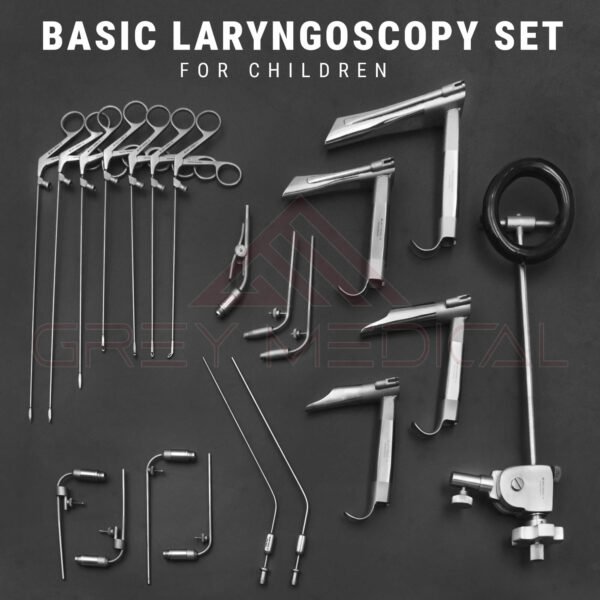
What Are Endolaryngeal Instruments?
Endolaryngeal instruments are specialized surgical tools designed to access and treat conditions inside the larynx, or voice box. The word "endolaryngeal" simply means "within the larynx."
These tools are built to reach a small, hard-to-access part of the body without large incisions. Surgeons typically insert them through the mouth, which means patients avoid external cuts and scarring.
This approach falls under the umbrella of minimally invasive laryngeal procedures. And for patients, that often translates to faster recovery, less pain, and better outcomes.
Why These Tools Matter in ENT Procedures
The larynx sits at a crossroads of breathing, swallowing, and speaking. Surgery here demands extreme accuracy. One small mistake can affect a person's voice for life.
Endolaryngeal instruments give surgeons the control they need. They allow for precise removal of growths, repair of damaged tissue, and treatment of various voice disorders.
From benign vocal cord nodules to early-stage cancers, these ENT surgical tools handle a wide range of conditions. They've become essential for anyone working in laryngology.
The Main Types of Endolaryngeal Instruments
There's no single tool that does everything. Instead, surgeons rely on a coordinated set of instruments, each with its own job. Here's a breakdown of the key players.
Laryngoscopes
The laryngoscope is the gateway to laryngeal surgery. This instrument holds the airway open and gives the surgeon a clear view of the larynx.
Modern laryngoscopes often connect to cameras and microscopes. This setup lets the surgical team see the area in stunning detail, sometimes magnified many times over.
Without a good view, nothing else works. So the laryngoscope really is the foundation of every procedure.
Forceps
Endolaryngeal forceps are slim, elongated endolaryngeal grasping tools. Surgeons use them to grip, hold, and remove tissue with care.
They come in different shapes and angles to reach tricky spots. Cup forceps, for example, can take small tissue samples for biopsy. Grasping forceps help hold tissue steady during delicate work.
Micro-Scissors
When you're working on something as fine as a vocal cord, you need scissors built for the task. Micro-scissors are exactly that.
These tiny, sharp instruments allow surgeons to make clean, precise cuts. They're perfect for trimming tissue or separating delicate structures without causing extra damage.
Suction Devices
Surgery creates fluid, blood, and small bits of tissue. Suction devices clear all of this away in real time.
A clean field means better visibility. And better visibility means safer, more accurate surgery. These tools keep the work area tidy so the surgeon can focus on what matters.
Laser Delivery Systems
Lasers have changed the game for laryngeal surgery. Laser delivery systems guide precise beams of energy to target tissue.
The CO2 laser is a favorite in this field. It can cut and seal blood vessels at the same time, which reduces bleeding. Surgeons use lasers to remove tumors, treat lesions, and reshape tissue with incredible accuracy.
Clinical Applications You Should Know About
So where do these instruments actually get used? Quite a few places, as it turns out.
- Vocal cord lesions: Removing nodules, polyps, and cysts that affect the voice.
- Cancer treatment: Excising early-stage laryngeal cancers with minimal disruption.
- Airway issues: Treating narrowing or blockages in the airway.
- Biopsies: Taking tissue samples to diagnose conditions accurately.
- Voice restoration: Repairing damage to help patients speak clearly again.
Each application relies on the right combination of tools working together. The surgeon's skill, paired with quality instruments, makes these procedures possible.
Advancements Pushing the Field Forward
The world of endolaryngeal instruments keeps evolving. And the improvements are exciting.
High-definition cameras now give surgeons crystal-clear images during operations. This means they can spot problems they might have missed before.
Robotic-assisted systems are also entering the picture. These tools can steady a surgeon's hand and reach angles that were once nearly impossible.
Materials have improved, too. Lighter, stronger instruments reduce fatigue during long procedures. Better laser technology offers more control with less collateral damage.
All of these advances point in the same direction: safer surgeries with better results for patients.
Why These Tools Are Essential to Modern Medicine
It's easy to overlook surgical instruments. They're not flashy, and most people never see them. But their impact is huge.
Endolaryngeal instruments make it possible to treat serious conditions without major surgery. They help preserve something deeply personal: a person's voice.
For ENT specialists, these tools represent the difference between guesswork and precision. For patients, they mean shorter recovery times and a better quality of life.
As technology continues to improve, these instruments will only get better. And that's good news for everyone who depends on their voice box, which is to say, all of us.
Final Thoughts
Endolaryngeal instruments may be small, but their role in laryngeal surgery is anything but. From laryngoscopes to laser delivery systems, each tool plays a vital part in keeping patients healthy.
The next time you hear about minimally invasive laryngeal procedures, you'll know the incredible craftsmanship behind them. These ENT surgical tools prove that sometimes the smallest instruments make the biggest difference.

 English
 Arabic
 French
 Spanish
 Deutsch
 Turkish
 Dutch
Dutch
 Italiano
 Russian
 Romaian
 Portuguese (Brazil)
 Greek
Greek