


Boost Plant Health with Advanced Urea Solutions

Healthy crops are the foundation of successful farming. Every farmer wants strong roots, green leaves, better flowering, and higher yields. To achieve these goals, plants need the right nutrients at the right time. Among all plant nutrients, nitrogen plays one of the most important roles. Without enough nitrogen, plants cannot grow properly, and crop production may decrease.
One of the most trusted nitrogen fertilizers used across the world is urea. It has been helping farmers improve crop growth for many years. Today, farming has become more advanced, and so have urea products. Modern urea solutions are designed to improve nutrient use, reduce waste, and support better crop performance.
This article explains how advanced urea solutions improve plant health, why they are better than traditional methods, and how farmers can use them to get the best results.
Understanding the Importance of Nitrogen in Plant Growth

Nitrogen is one of the main nutrients that every plant needs. It is responsible for many important plant functions.
Plants use nitrogen to produce chlorophyll, which gives leaves their green color and helps them perform photosynthesis. Nitrogen also supports protein production, cell growth, and leaf development.
When plants receive enough nitrogen, they usually grow:
- Faster
- Taller
- Greener
- Stronger
- More productive
Without enough nitrogen, plants struggle to grow and may produce lower yields.
Signs of Nitrogen Deficiency
Farmers should watch for these common signs:
Yellow Leaves
Older leaves often turn yellow first because the plant moves nitrogen to younger leaves.
Slow Plant Growth
Plants remain smaller than expected and produce fewer branches or leaves.
Weak Stems
Weak stems increase the chance of crop damage from wind or heavy rain.
Lower Yield
Fruits, grains, or vegetables become smaller, reducing overall production.
What Is Urea?
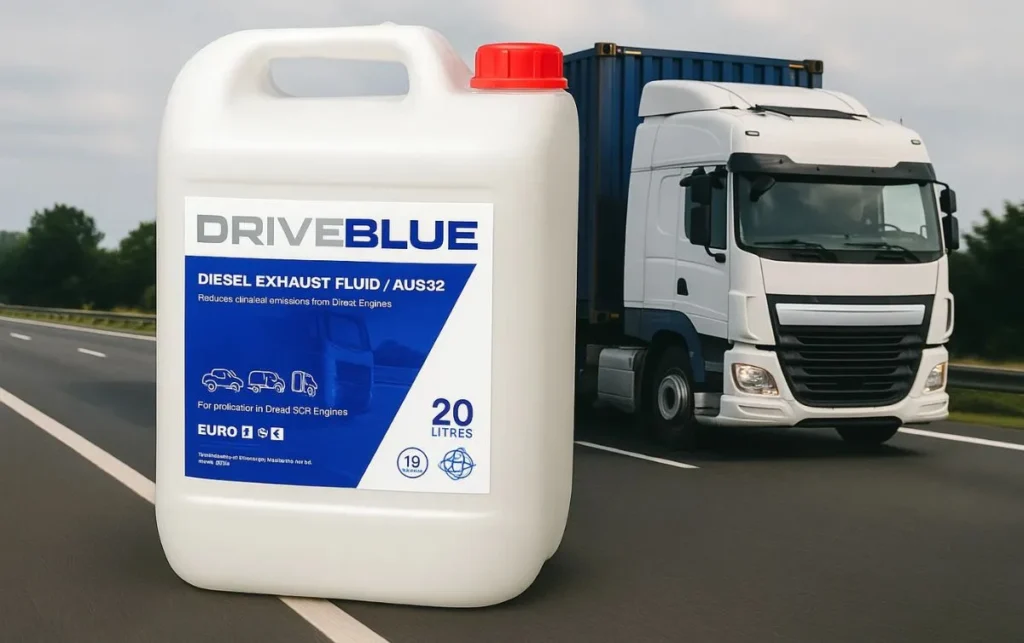
Urea is a nitrogen fertilizer that contains about 46% nitrogen, making it one of the richest nitrogen fertilizers available.
It is widely used because it offers several benefits:
- High nitrogen content
- Easy transportation
- Affordable cost
- Suitable for many crops
- Easy storage
Farmers use urea in crops such as:
- Wheat
- Rice
- Corn
- Sugarcane
- Cotton
- Vegetables
- Fruits
- Oilseed crops
What Are Advanced Urea Solutions?
Modern farming has introduced improved urea products that increase nutrient efficiency.
Instead of simply supplying nitrogen, advanced urea solutions help plants absorb more nutrients while reducing losses caused by evaporation or water movement.
These improved products may include:
Controlled Release Urea
This type releases nitrogen slowly over time.
Instead of providing all nitrogen at once, nutrients become available as plants continue growing.
Coated Urea
Special coatings protect the fertilizer and slow nutrient release.
This helps plants absorb nitrogen over a longer period.
Stabilized Urea
Stabilizers reduce nitrogen loss caused by heat, moisture, or soil conditions.
More nitrogen stays available for plant growth.
Liquid Urea Solutions
Liquid fertilizers allow even application and can be used through irrigation systems or foliar spraying when suitable.
Why Traditional Urea Sometimes Falls Short
Although regular urea works well, some nitrogen may never reach the plant.
Several environmental factors can reduce fertilizer efficiency.
Nitrogen Loss Through Evaporation
Warm temperatures can cause nitrogen to escape into the air before plants absorb it.
Water Runoff
Heavy rain or excessive irrigation can wash nitrogen away from crop roots.
Soil Leaching
In sandy soils, nitrogen may move below the root zone.
Uneven Application
Applying fertilizer unevenly can cause some plants to receive too much nitrogen while others receive too little.
Advanced urea solutions help reduce these common problems.
How Advanced Urea Solutions Improve Plant Health
Modern urea technology supports healthier crops in several ways.
Better Nutrient Availability
Advanced products provide nitrogen gradually.
Plants receive nutrients throughout different growth stages instead of all at once.
This creates steady plant growth.
Stronger Root Development
Healthy roots absorb more water and nutrients.
Balanced nitrogen encourages better root expansion, allowing plants to grow stronger.
Improved Leaf Growth
Green leaves capture more sunlight.
More sunlight means better photosynthesis and greater energy production.
Better Flowering
Healthy plants produce more flowers, increasing the chance of better fruit and seed formation.
Higher Crop Quality
Proper nutrition improves:
- Fruit size
- Grain filling
- Vegetable quality
- Plant appearance
Benefits of Using Advanced Urea Solutions
Farmers are choosing advanced urea products because they offer many practical benefits.
Higher Nitrogen Efficiency
More nitrogen reaches plant roots instead of being lost.
This improves fertilizer performance.
Reduced Fertilizer Waste
Since nutrients stay available longer, less fertilizer may be required during the growing season.
Better Yield Potential
Healthy crops often produce higher yields when nutrients are available at the right time.
Healthier Soil
Controlled nutrient release places less stress on the soil compared to repeated heavy fertilizer applications.
Lower Environmental Impact
Reducing nitrogen loss helps protect nearby water sources and reduces air pollution.
Crops That Benefit from Advanced Urea Solutions
Many different crops respond well to improved nitrogen management.
Cereal Crops
These include:
- Wheat
- Rice
- Corn
- Barley
Nitrogen supports grain production and healthy plant growth.
Vegetable Crops
Vegetables require regular nutrition for continuous growth.
Examples include:
- Tomatoes
- Potatoes
- Cabbage
- Onions
- Carrots
Fruit Crops
Fruit trees need balanced nitrogen to support:
- Leaf growth
- Flower production
- Fruit development
Plantation Crops
Advanced urea is also useful for:
- Tea
- Coffee
- Sugarcane
- Banana
Choosing the Right Urea Solution
Different farms have different needs.
Several factors should be considered before selecting a product.
Soil Type
Clay, sandy, and loamy soils hold nutrients differently.
Understanding soil type helps select the best fertilizer.
Crop Type
Every crop has different nutrient requirements.
The correct urea product should match crop needs.
Climate
Rainfall and temperature affect nitrogen movement.
Controlled-release products often perform better in areas with heavy rainfall.
Irrigation Method
Drip irrigation, sprinkler systems, and flood irrigation may require different fertilizer approaches.
Best Practices for Applying Advanced Urea Solutions
Proper application helps farmers achieve the best results.
Apply at the Right Growth Stage
Plants need different nutrient levels during various growth stages.
Following crop recommendations improves fertilizer efficiency.
Avoid Overuse
More fertilizer does not always produce better crops.
Applying the recommended amount reduces waste and protects plant health.
Monitor Soil Moisture
Proper moisture helps nutrients move into the root zone.
Avoid applying fertilizer before heavy rainfall whenever possible.
Combine with Soil Testing
Regular soil testing helps identify nutrient levels.
This allows farmers to make better fertilizer decisions.
Combining Advanced Urea with Balanced Plant Nutrition
Nitrogen is important, but plants also require other nutrients.
A complete nutrition program may include:
Phosphorus
Supports root development and flowering.
Potassium
Improves water movement, disease resistance, and fruit quality.
Micronutrients
Small amounts of nutrients like zinc, boron, iron, and magnesium also play important roles in healthy crop growth.
Balanced nutrition creates stronger and more productive plants.
How Advanced Urea Supports Sustainable Farming
Modern agriculture focuses on producing more food while protecting natural resources.
Advanced urea solutions support sustainable farming in several ways.
Lower Nitrogen Loss
More fertilizer stays in the soil where crops can use it.
Better Water Protection
Reduced nutrient runoff helps keep rivers, lakes, and groundwater cleaner.
Improved Fertilizer Efficiency
Farmers can make better use of every fertilizer application.
Healthier Crop Production
Well-fed plants are often stronger and better prepared to handle changing weather conditions.
Common Mistakes Farmers Should Avoid
Even high-quality fertilizer can produce poor results if used incorrectly.
Applying Too Much Fertilizer
Excess nitrogen may encourage too much leaf growth instead of fruit or grain production.
Ignoring Soil Conditions
Different soils require different nutrient management plans.
Applying Before Heavy Rain
Heavy rain can wash fertilizer away before plants absorb it.
Skipping Soil Testing
Without testing, farmers may apply nutrients that are not needed while missing those that are lacking.
Future of Advanced Urea Technology
Fertilizer technology continues to improve every year.
Researchers are developing smarter products that provide nutrients more efficiently.
Future improvements may include:
- Better nutrient release systems
- Improved coatings
- Greater compatibility with precision farming
- Digital monitoring for fertilizer management
- Higher nutrient efficiency with lower environmental impact
These innovations will help farmers grow healthy crops while using resources more wisely.
Tips for Getting the Best Results
Farmers can improve crop performance by following a few simple practices.
Use Certified Products
Choose high-quality urea from trusted suppliers to ensure consistent performance.
Follow Recommended Rates
Always apply fertilizer according to crop and soil recommendations.
Store Fertilizer Properly
Keep urea in a dry place to protect it from moisture and maintain its quality.
Check Crop Growth Regularly
Observe crops throughout the season to identify nutrient needs early and make timely adjustments.
Conclusion
Advanced urea solutions have changed the way farmers manage plant nutrition. Instead of supplying nitrogen all at once, these improved products provide a steady nutrient supply that supports healthy roots, greener leaves, stronger plants, and better yields. They also help reduce fertilizer waste, improve nutrient efficiency, and support more sustainable farming practices.
By choosing the right advanced urea solution, following proper application methods, and combining nitrogen with balanced plant nutrition, farmers can improve crop health and increase productivity. As farming continues to evolve, advanced urea solutions will remain an important tool for growing healthy, high-quality crops while making better use of valuable resources

 English
 Arabic
 French
 Spanish
 Portuguese
 Deutsch
 Turkish
 Italiano
 Russian
 Romaian
 Portuguese (Brazil)
 Greek
Greek