


Embroidery vs Screen Printing: Which Is Right for You
Picking the wrong decoration method can cost you real money. Not just in reprints or redos, but in branded gear that looks cheap the moment someone washes it twice or squints at a logo that turned into a blob of thread. The choice between embroidery and screen printing isn't always obvious, and most vendors don't exactly volunteer the downsides of whichever one they're pushing. So let's just walk through both, honestly, and figure out which one actually fits what you're trying to do. If you're already leaning toward stitched logos on structured pieces, Embroidery Services in Dallas TX is worth looking at before you commit to anything.
How Each Method Actually Works
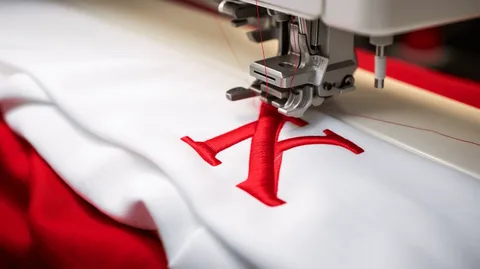
Embroidery is exactly what it sounds like. A machine stitches thread directly into the fabric using a digitized version of your design. The result is raised, textured, and genuinely three-dimensional. It catches light differently than a flat print, which is part of why it reads as premium.
Screen printing works differently. Ink gets pushed through a mesh stencil, one color at a time, directly onto the surface of the garment. Each color in your design requires a separate screen. So a four-color logo means four screens, four passes, four chances for something to shift. Done well, though, it produces bold, flat color that pops on a t-shirt in a way embroidery simply can't match on large areas.
Both methods have been around a long time. Screen printing in particular has deep roots in garment decoration, and screen printing history goes back well over a century in various forms. Knowing how they work helps you predict how they'll behave on your specific garment.
Durability: Which One Lasts Longer
Honestly, this depends a lot on what you're putting the decoration on. Embroidery holds up better on items that get heavy use but don't go through the wash constantly. Think hats, jackets, bags, and fleece pullovers. The thread is physically part of the fabric. It doesn't peel, crack, or fade the way ink can.
Screen printing, on the other hand, sits on top of the fabric. High-quality plastisol inks can last years if the shirt is washed inside-out in cold water. But that's a lot of conditions. Most people don't baby their t-shirts. Over dozens of washes, screen prints can crack along the edges, especially on cheaper blanks where the ink doesn't bond as well.
For workwear that gets beat up daily, embroidery wins pretty cleanly. For promotional t-shirts that might get worn a handful of times before living in a drawer, screen printing is fine. Know your use case before you decide.
Cost Breakdown: Volume Changes Everything
Screen printing has setup costs. Each color in your design requires its own screen, and those screens cost money to make. At low quantities, that setup cost is spread across fewer shirts, making the per-unit price feel painful. At high volumes, though, it drops fast. A run of 500 shirts? Screen printing is almost always the cheaper option per piece.
Embroidery pricing works differently. You usually pay a one-time digitizing fee to convert your logo into a stitch file, plus a per-piece cost based on stitch count. The stitch count is key. A small left-chest logo with 5,000 stitches costs less to run than a large back design with 20,000 stitches. Unlike screen printing, the per-piece cost doesn't drop dramatically as volume goes up. But it also doesn't spike as hard at low quantities.
So here's a rough way to think about it. Small order, simple logo, structured garment? Embroidery often makes more sense. Large order, multi-color design, soft t-shirts? Screen printing usually wins on cost. A lot of businesses end up using both, just for different products in their lineup.
Design Suitability: What Works Where
Not every logo translates well to both methods. This is where a lot of people get tripped up. Embroidery works best with bold, clean shapes and limited colors. Thick text, simple icons, and geometric logos stitch up beautifully. Fine lines, tiny text, and gradients? Those are rough. Thread has physical width, so anything under about 4pt font size tends to get muddy fast.
Screen printing handles detail and color blending much better. Photorealistic artwork, gradient fades, and intricate illustrations all reproduce cleanly on a flat surface. If your logo has a drop shadow, a glow effect, or a halftone texture, screen printing is probably your method. You'd spend a fortune trying to replicate that in thread, and it still wouldn't look right.
When in doubt, ask your decorator to show you a digitized preview before approving anything. A good shop will flag problems early. SWAG STORE is one option that handles both methods and can tell you upfront which one suits your specific artwork better, which saves you from an unpleasant surprise when the order arrives.
Best Use Cases for Each Method
Here's where it gets practical. Embroidery is the go-to for workwear uniforms, corporate polos, hats, and premium gifts. Anything where you want the branding to feel permanent and high-end. Law firms, contractors, healthcare offices, golf courses. These are the people ordering embroidered polos and zip-up jackets because they want the brand to look established, not like it came from a weekend pop-up.
Screen printing owns the promotional apparel space. Events, fundraisers, band merch, race day shirts, school spirit gear. When you need 300 shirts by Friday and the per-piece cost matters more than texture, screen printing delivers. It also handles large chest prints and full-back designs far better than embroidery does, since covering a large area in thread gets expensive and heavy fast.
-
Embroidery: workwear, corporate gifts, polos, hats, structured jackets
-
Screen printing: event shirts, fundraisers, large runs, oversized graphics
-
Either method: staff uniforms (depending on garment type and logo complexity)
-
Neither method alone: some brands use both across their full product mix
Professional Embroidery Services in Dallas TX tend to work with a lot of corporate clients who want both options available under one roof. That way, the polo gets stitched and the matching tote bag gets printed, and the whole order ships together.
A Few Things People Forget to Ask About
Turnaround time matters. Screen printing often has faster turnaround on large orders once screens are made, because the actual printing runs quickly. Embroidery machines are slower per piece by nature. If you're in a rush, factor that in.
Garment type also changes the math. You can't really embroider a thin, stretchy athletic shirt without it puckering badly. And you wouldn't screen print a structured wool cap because the ink won't bond properly. The decoration method and the garment need to be chosen together, not separately.
Embroidery Services in Dallas TX providers will usually ask about your garment before quoting, specifically because these combinations matter a lot. If a vendor doesn't ask, that's a bit of a red flag. And don't forget about minimums. Most screen printers want at least 24 to 48 pieces to make setup costs worth it. Embroidery minimums are often lower, sometimes as few as six to twelve pieces, which matters a lot for small teams or one-off gifts.
Professional Embroidery Services in Dallas TX shops often handle small corporate orders that a screen printer wouldn't bother quoting. Worth keeping that in mind if you're ordering for a team of ten rather than a company of five hundred.
Frequently Asked Questions
Which method is better for a company logo on polo shirts?
Embroidery is almost always the better call for polo shirts. It looks more polished, holds up through repeated washing, and gives the logo a premium, structured feel that flat ink doesn't match on that type of garment.
Can I use screen printing on hats?
You can, but it's not common and the results are often inconsistent. Hats have a curved, structured surface that doesn't take flat ink well. Embroidery is the standard for headwear for good reason.
What's the minimum order for screen printing?
Most shops set minimums somewhere between 24 and 72 pieces, depending on the number of colors. The setup cost per screen makes tiny orders hard to price reasonably. If you need fewer pieces, embroidery or direct-to-garment printing usually makes more sense.
Does embroidery add noticeable weight to a garment?
On a large back design, yes, a little. On a standard left-chest logo, not really. Most people don't notice any difference. It's only high-stitch-count designs covering big areas that start to feel stiff or heavy.
How do I know if my logo will work for embroidery?
Ask your decorator for a digitized preview before you approve the order. A reputable shop will flag thin lines, tiny text, or gradient elements that won't stitch cleanly, and they'll suggest simplifications that keep the logo recognizable without the headaches.
At the end of the day, neither method is universally better. They're just better for different things. Figure out your garment, your design, your quantity, and your budget, and the right choice usually becomes pretty clear from there.

 Arabic
 French
 Spanish
 Portuguese
 Deutsch
 Turkish
 Dutch
Dutch
 Italiano
 Russian
 Romaian
 Portuguese (Brazil)
 Greek
Greek