


Acrylic Name Plates: A Complete Guide to Modern Identification and Signage Solutions
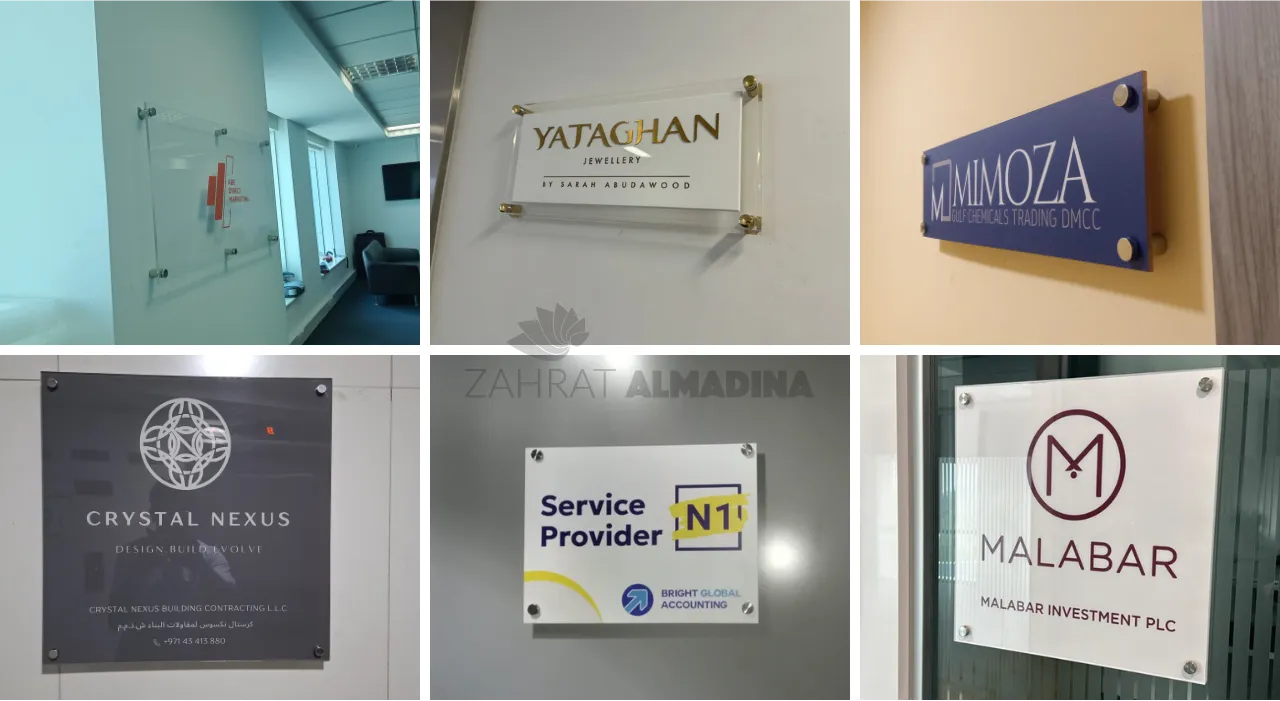
Name plates play an important role in both professional and personal environments. They help identify people, departments, rooms, offices, buildings, and facilities while contributing to organization and visual appeal. Among the various materials used for signage and identification, acrylic has become one of the most popular choices due to its durability, versatility, and modern appearance.
Today, Acrylic Name Plates are widely used in offices, hospitals, educational institutions, hotels, residential buildings, and commercial spaces. Their sleek design and ability to accommodate different colors, styles, and printing methods make them suitable for a wide range of applications.
This guide explores everything you need to know about acrylic name plates, including their features, types, manufacturing methods, applications, benefits, design considerations, maintenance requirements, and factors to consider when selecting the right name plate solution.
What Are Acrylic Name Plates?
Acrylic name plates are identification signs made from acrylic sheets, a transparent or colored plastic material known for its strength and attractive finish. Acrylic is often used as an alternative to glass because it offers a similar appearance while being lighter and more impact-resistant.
These name plates typically display information such as:
- Employee names
- Office designations
- Room numbers
- Department names
- Building identifiers
- Company branding
- Directional information
Acrylic can be cut, engraved, printed, or layered to create customized designs suitable for various environments.
Why Acrylic Name Plates Are Popular
Acrylic has become a preferred material for signage because it combines functionality with visual appeal.
Professional Appearance
Acrylic offers a clean and modern look that complements contemporary office and commercial interiors.
Durability
The material is resistant to cracking, moisture, and everyday wear, making it suitable for long-term use.
Lightweight Construction
Compared to glass, acrylic is much lighter, making installation easier and safer.
Customization Flexibility
Acrylic can be produced in different shapes, colors, sizes, and finishes to match specific design requirements.
Cost-Effective Solution
Acrylic provides an attractive appearance while remaining relatively affordable compared to some premium signage materials.
Common Types of Acrylic Name Plates
Different styles of acrylic name plates are available depending on the intended application.
Office Name Plates
These are commonly installed on office doors, desks, and workstations.
Features
- Employee names
- Job titles
- Department information
- Company branding
Example
A corporate office may use acrylic door signs displaying employee names and designations for easy identification.
Desk Name Plates
Desk name plates help identify employees, managers, and executives.
Benefits
- Professional appearance
- Easy identification
- Organized workspace
These name plates are commonly found in reception areas, executive offices, and meeting rooms.
Door Name Plates
Door-mounted acrylic signs are used to identify rooms and departments.
Common Uses
- Meeting rooms
- Hospital departments
- School classrooms
- Administrative offices
Door name plates help visitors navigate facilities efficiently.
Room Number Plates
Room number signs are widely used in hotels, hospitals, residential buildings, and educational institutions.
Advantages
- Easy wayfinding
- Consistent appearance
- Long-lasting performance
These signs contribute to a well-organized environment.
Building Identification Plates
Larger acrylic name plates can be used to identify buildings, offices, or facilities.
Examples
- Commercial buildings
- Apartment complexes
- Educational institutions
- Healthcare facilities
These signs improve visibility and assist visitors in locating destinations.
Materials Used in Acrylic Name Plates
Although acrylic itself is the primary material, several variations are available.
Clear Acrylic
Clear acrylic resembles glass and provides a sophisticated appearance.
Benefits
- Modern look
- High transparency
- Suitable for corporate environments
Clear acrylic is often combined with printed graphics or metal standoffs for enhanced visual appeal.
Colored Acrylic
Colored acrylic sheets are available in numerous shades and finishes.
Benefits
- Improved brand consistency
- Enhanced visibility
- Decorative possibilities
Colored acrylic is frequently used for branding and decorative signage applications.
Frosted Acrylic
Frosted acrylic offers a matte finish that reduces glare.
Benefits
- Elegant appearance
- Improved readability
- Modern aesthetic
This material is commonly used in professional office environments.
Opaque Acrylic
Opaque acrylic blocks light and provides a solid background for text and graphics.
Applications
- Door signs
- Directional signage
- Identification plates
Opaque acrylic is available in many colors and thicknesses.
Manufacturing Methods for Acrylic Name Plates
Several production methods are used to create acrylic signage.
Laser Engraving
Laser engraving involves permanently etching text or graphics into the acrylic surface.
Benefits
- Precision detailing
- Permanent markings
- Professional finish
Example
An office may use engraved acrylic signs for room identification and employee name plates.
UV Printing
UV printing applies ink directly onto the acrylic surface using ultraviolet curing technology.
Benefits
- High-resolution graphics
- Vibrant colors
- Durable finish
This method is ideal for detailed logos and full-color designs.
Vinyl Lettering
Vinyl graphics can be applied to acrylic surfaces to create text and branding elements.
Advantages
- Flexible design options
- Easy customization
- Cost-effective production
Vinyl lettering is commonly used for office and retail signage.
Layered Acrylic Construction
Some name plates use multiple acrylic layers to create depth and dimension.
Benefits
- Premium appearance
- Enhanced visibility
- Creative design possibilities
Layered acrylic signs are frequently used in reception areas and executive offices.
Applications of Acrylic Name Plates
Acrylic signage serves many industries and environments.
Corporate Offices
Businesses use acrylic name plates for:
- Employee identification
- Department signage
- Meeting room labels
- Reception displays
These signs contribute to a professional and organized workplace.
Healthcare Facilities
Hospitals and clinics often install acrylic signs because they are durable and easy to maintain.
Examples
- Doctor identification signs
- Department labels
- Room number plates
- Information displays
Clear signage improves navigation for patients and visitors.
Educational Institutions
Schools, colleges, and universities use acrylic name plates for:
- Classroom identification
- Faculty offices
- Administrative departments
- Building directories
Effective signage helps students and visitors navigate campuses.
Hospitality Industry
Hotels and resorts frequently use acrylic signs because of their attractive appearance.
Common Applications
- Room numbers
- Facility directories
- Reception signage
- Guest information displays
These signs contribute to a polished guest experience.
Residential Buildings
Apartment complexes and residential communities use acrylic signs for:
- Unit numbers
- Building identifiers
- Directional signs
- Community information boards
Clear identification improves convenience for residents and visitors.
Benefits of Acrylic Name Plates
There are several reasons why acrylic remains a popular signage material.
Modern Visual Appeal
Acrylic provides a clean and professional appearance suitable for contemporary interiors.
Long-Term Durability
The material resists many common forms of damage, including moisture exposure and minor impacts.
Easy Maintenance
Most acrylic signs can be cleaned using simple cleaning products and soft cloths.
Design Flexibility
Acrylic supports numerous customization options.
Examples
- Different colors
- Custom shapes
- Printed graphics
- Engraved text
- Layered designs
This flexibility allows organizations to create signs that match their branding and functional requirements.
Lightweight Installation
Acrylic signs are easier to install than many heavier materials.
Common Mounting Methods
- Adhesive backing
- Wall screws
- Decorative standoffs
- Hanging systems
These options provide flexibility for different environments.
Design Considerations for Acrylic Name Plates
Proper design helps maximize effectiveness and readability.
Font Selection
Choose fonts that are clear and easy to read.
Tips
- Avoid overly decorative fonts
- Use appropriate text sizes
- Ensure strong contrast between text and background
Color Contrast
Good contrast improves visibility and readability.
Example
Dark text on a light background often provides better readability than low-contrast combinations.
Appropriate Sizing
The size of the sign should match its intended viewing distance.
Example
A desk name plate requires smaller text than a building identification sign.
Consistent Branding
Organizations often use consistent colors, logos, and typography across all signage.
This helps create a cohesive visual identity throughout a facility.
Maintenance Tips for Acrylic Name Plates
Regular maintenance helps preserve the appearance of acrylic signs.
Clean Gently
Use a soft microfiber cloth to remove dust and fingerprints.
Avoid Harsh Chemicals
Some cleaning products may damage acrylic surfaces.
Always use cleaners recommended for acrylic materials.
Inspect Mounting Hardware
Check screws, adhesives, and mounting systems periodically to ensure signs remain secure.
Protect from Scratches
Avoid using abrasive cleaning tools that may scratch the surface.
Proper care can significantly extend the lifespan of acrylic signage.
Industry Trends in Acrylic Signage
Modern signage design continues to evolve as technology and aesthetic preferences change.
Some current trends include:
- Minimalist designs
- Layered acrylic structures
- Frosted finishes
- UV-printed graphics
- Dimensional lettering
- Integrated LED illumination
These innovations help organizations create attractive and functional identification systems.
Professionals researching signage options often consult industry resources and companies such as Zahrat Al Madina Printing Services to learn about different materials, production techniques, and design approaches used in acrylic signage projects.
Conclusion
Acrylic name plates have become an essential part of modern identification and signage systems. Their combination of durability, lightweight construction, customization flexibility, and professional appearance makes them suitable for offices, healthcare facilities, educational institutions, hospitality venues, residential properties, and commercial environments.
From desk signs and door plates to room numbers and building identifiers, Acrylic Name Plates provide clear communication while enhancing the visual appearance of a space. Available in clear, frosted, colored, and opaque variations, acrylic offers a versatile solution for a wide range of applications.
By understanding the different types, manufacturing methods, design considerations, and maintenance practices associated with acrylic signage, organizations can make informed decisions and create effective identification systems that remain functional and attractive for years to come.

 Arabic
 French
 Spanish
 Portuguese
 Deutsch
 Turkish
 Dutch
Dutch
 Italiano
 Russian
 Romaian
 Portuguese (Brazil)
 Greek
Greek