


Latest Rhinoplasty Techniques Available in Saudi Arabia
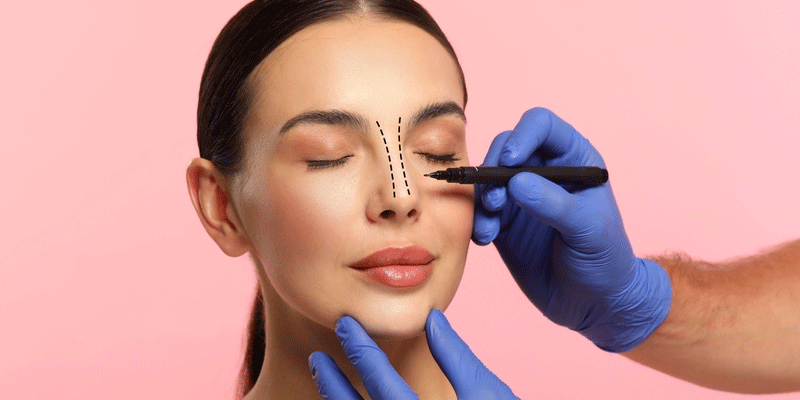
Nose surgery has seen remarkable advancements in recent years, combining precision, safety, and natural-looking results. For those considering Rhinoplasty in Riyadh, modern techniques offer patients more options than ever before, allowing for tailored procedures that enhance both appearance and function. Understanding the latest approaches can help patients make informed decisions and set realistic expectations.
Ultrasonic (Piezoelectric) Rhinoplasty:
Ultrasonic or piezoelectric rhinoplasty uses high-frequency ultrasonic energy to reshape nasal bones, offering greater precision compared to traditional methods. This technique allows surgeons to sculpt bone without damaging surrounding soft tissue, cartilage, or blood vessels. Advantages include:
• Reduced bruising and swelling
• More controlled bone reshaping for smoother results
• Faster healing and shorter recovery periods
• Ideal for patients needing delicate bone adjustments or correction of prominent humps
Preservation Rhinoplasty:
Preservation rhinoplasty focuses on maintaining the natural structure of the nose while making subtle refinements. Instead of removing large amounts of bone or cartilage, the procedure preserves the nasal dorsum and key ligament structures. Benefits include:
• Maintaining the natural framework for long-lasting results
• Less tissue trauma and faster recovery
• A more natural-looking nasal profile
• Reduced risk of complications associated with aggressive tissue removal
3D Imaging and Pre-Surgical Simulation:
Modern rhinoplasty incorporates 3D imaging and digital simulations, allowing surgeons and patients to visualize potential results before surgery. This technology aids in precise planning and ensures patient expectations are realistic. Key benefits include:
• Accurate visualization of expected outcomes
• Enhanced planning for bone reshaping, cartilage grafting, and tip refinement
• Improved communication between surgeon and patient
• Reduced risk of post-operative dissatisfaction
Structural and Cartilage Grafting Techniques:
For patients with weak cartilage, previous trauma, or functional issues, structural rhinoplasty with cartilage grafting is often necessary. Surgeons may use cartilage from the septum, ear, or rib to provide support and refine nasal shape. Benefits include:
• Stronger nasal framework for long-term stability
• Ability to correct functional issues like breathing difficulties
• Improved aesthetic outcomes with enhanced tip projection and symmetry
• Reduced likelihood of needing revision surgery
Minimally Invasive and Closed Rhinoplasty Options:
Not all rhinoplasty requires external incisions. Closed rhinoplasty offers a less invasive approach, with incisions hidden inside the nostrils. Modern advancements, including ultrasonic tools, allow precise reshaping with minimal tissue disruption. Advantages include:
• No visible scarring
• Reduced swelling and faster recovery
• Less soft-tissue trauma
• Suitable for patients seeking minor refinements or moderate reshaping
Functional Rhinoplasty and Airway Correction:
Modern rhinoplasty often addresses both aesthetic and functional concerns. Surgeons can correct septal deviations, valve collapse, and other structural issues while refining appearance. Benefits of combining functional and cosmetic goals include:
• Improved nasal airflow and breathing
• Long-term stability of surgical results
• Balanced aesthetic appearance with functional integrity
• Enhanced overall quality of life
Revision Rhinoplasty Using Modern Methods:
Patients dissatisfied with previous rhinoplasty procedures can benefit from advanced revision techniques. Using tissue-preserving approaches, structural grafting, and precise bone reshaping, surgeons can correct asymmetry, collapse, or over-reduction. Key advantages include:
• Correcting previous surgical imperfections
• Improved long-term stability
• Tailored solutions for complex cases
• Enhanced aesthetic and functional outcomes
Choosing the Right Technique:
Selecting the appropriate rhinoplasty method depends on individual anatomy, goals, and the surgeon’s expertise. Patients should consider:
• Whether the primary goal is cosmetic, functional, or both
• The complexity of nasal structure and skin type
• The desired recovery timeline and post-operative care requirements
• Surgeon recommendations based on experience and case history
Recovery and Postoperative Care:
Modern techniques often result in faster recovery, but proper care remains crucial. Patients should follow their surgeon’s instructions, including:
• Keeping the head elevated to reduce swelling
• Avoiding strenuous activity for several weeks
• Taking prescribed medications as directed
• Attending follow-up appointments for progress monitoring
• Protecting the nose from trauma and pressure
Final Thoughts
Rhinoplasty in Saudi Arabia has evolved with advanced methods such as ultrasonic reshaping, preservation rhinoplasty, 3D surgical planning, grafting innovations, and minimally invasive approaches. For patients considering Rhinoplasty in Riyadh, these modern techniques offer safer procedures, faster recovery, and natural-looking results. By consulting with an experienced surgeon and exploring the options best suited to individual anatomy and goals, patients can achieve enhanced appearance, improved function, and long-lasting satisfaction.

 Arabic
 French
 Spanish
 Portuguese
 Deutsch
 Turkish
 Dutch
Dutch
 Italiano
 Russian
 Romaian
 Portuguese (Brazil)
 Greek
Greek