


Composite Fence vs Wood: Choosing the Right Property Barrier
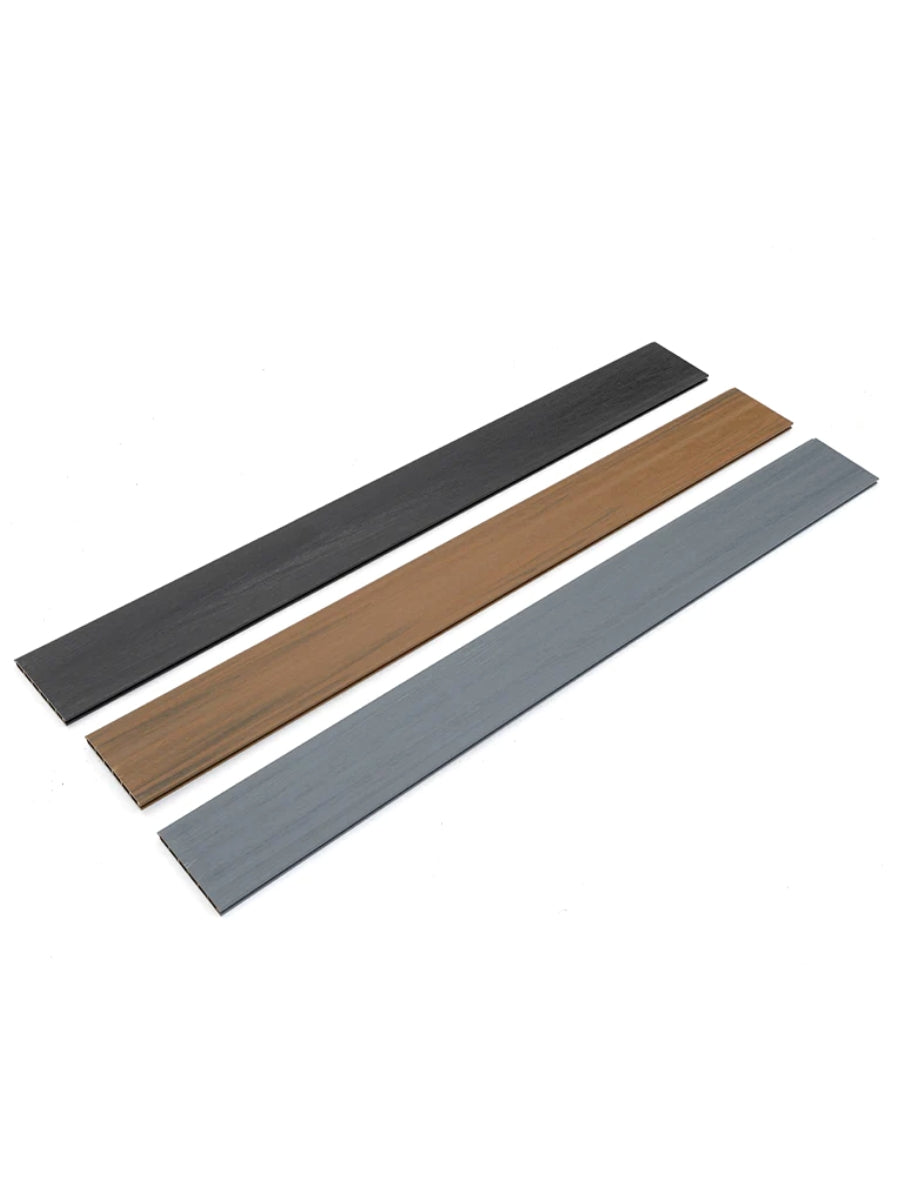
When deciding how to enclose your property, the ultimate showdown almost always comes down to a composite fence vs wood. Choosing between these two heavyweights requires balancing your upfront budget against long-term maintenance, aesthetics, and how much time you actually want to spend scrubbing or staining your perimeter. Both materials bring distinct advantages to the table, and understanding how they stack up against each other will ensure you make an investment that aligns with your lifestyle.
The Aesthetic Appeal and Character of Traditional Timber
Wood possesses a classic, organic charm that synthetic materials struggle to replicate flawlessly. Homeowners who favor a rustic, traditional, or highly customized look often lean toward natural lumber because it can be painted or stained any color under the sun. However, when evaluating a composite fence vs wood, you must remember that the beautiful cedar or pine look requires immediate and ongoing protection to combat UV fading and moisture damage.
The Modern Engineered Engineering of Composite Material
Composite boards are manufactured using a blend of recycled wood fibers and plastic polymers, creating an incredibly dense and resilient product. This engineering solves almost every inherent weakness of natural lumber, meaning it will not warp, splinter, rot, or play host to destructive insects like termites. The structural stability makes the composite fence vs wood debate highly lopsided in favor of composite if your primary goal is to install a barrier and completely forget about it for the next few decades.
Upfront Cost Comparison vs Long Term Financial Investment
The initial price tag is often the biggest hurdle for homeowners exploring composite options. Investing in a composite system can cost twice or even three times as much as standard pressure-treated lumber upfront. But a true financial analysis of a composite fence vs wood requires looking at the ten-to-twenty-year horizon, where the cost of wood stains, replacement boards, and professional labor quickly closes the price gap, often making composite the cheaper option over time.
Maintenance Demands and the Luxury of Time
The most defining differentiator between these two choices is the amount of physical labor required to keep them looking pristine. A timber perimeter demands scrubbing, power washing, and resealing every two to three years to prevent the wood from turning a weathered gray and decaying. Comparing a composite fence vs wood on maintenance highlights the luxury of composite, which only requires a quick spray with a garden hose and some soapy water once or twice a year to look as good as the day it was installed.

 Arabic
 French
 Spanish
 Portuguese
 Deutsch
 Turkish
 Dutch
Dutch
 Italiano
 Russian
 Romaian
 Portuguese (Brazil)
 Greek
Greek