


Modern Fibroids Uterine Artery Embolization with Faster Recovery
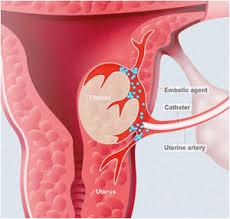
Uterine fibroids are one of the most common benign growths affecting women during their reproductive years. While many fibroids remain small and symptom-free, others can cause heavy menstrual bleeding, pelvic pain, pressure, frequent urination, and discomfort that affects everyday life. Advances in interventional radiology have made it possible to treat fibroids without major surgery. Fibroids uterine artery embolization is a minimally invasive procedure that reduces the blood supply to fibroids, allowing them to shrink naturally while preserving the uterus.
This modern treatment has become a preferred option for many women seeking effective symptom relief with a shorter recovery time compared to traditional surgical procedures. By avoiding large incisions and lengthy hospital stays, patients can often return to their normal routines much sooner.
Understanding Uterine Fibroids
Fibroids are noncancerous tumors that develop within the muscular wall of the uterus. Their size, number, and location vary from one woman to another. Some women may have a single small fibroid, while others develop multiple large fibroids that significantly affect daily activities.
Although the exact cause remains unclear, hormonal changes and genetic factors are believed to contribute to fibroid development. Fibroids often grow during reproductive years and may shrink naturally after menopause.
Common symptoms include:
-
Heavy or prolonged menstrual bleeding
-
Pelvic pressure or pain
-
Lower back discomfort
-
Frequent urination
-
Constipation
-
Pain during intercourse
-
Enlarged abdomen
-
Fatigue caused by anemia
Women experiencing persistent symptoms should consult a healthcare provider to discuss available treatment options.
What Is the Procedure?
Fibroids uterine artery embolization is performed by an interventional radiologist using image-guided technology. Instead of surgically removing fibroids, the physician inserts a small catheter into an artery, usually through the wrist or groin, and guides it to the uterine arteries.
Tiny embolic particles are carefully injected into the arteries supplying the fibroids. This blocks blood flow to the fibroids while preserving healthy uterine tissue. Without adequate blood supply, the fibroids gradually shrink over the following weeks and months.
The procedure typically takes one to two hours and usually requires only a short hospital stay or outpatient observation.
Benefits of Minimally Invasive Treatment
Many women choose minimally invasive treatment because it offers several advantages compared to traditional surgery.
Some of the primary benefits include:
-
No large surgical incision
-
Preservation of the uterus
-
Faster recovery
-
Reduced hospital stay
-
Less postoperative discomfort
-
Lower risk of complications
-
Treatment of multiple fibroids simultaneously
-
Effective long-term symptom relief
These benefits allow many women to resume normal activities sooner while avoiding the longer recovery associated with major surgery.
Who Is a Good Candidate?
Not every patient with fibroids requires the same treatment. A comprehensive evaluation helps determine whether this procedure is appropriate based on symptom severity, fibroid size, overall health, and future reproductive goals.
Candidates may include women who:
-
Experience heavy menstrual bleeding
-
Have chronic pelvic pain or pressure
-
Suffer from urinary symptoms caused by fibroids
-
Wish to avoid hysterectomy
-
Have multiple fibroids
-
Have symptoms affecting work or daily activities
Imaging studies such as ultrasound or MRI help physicians evaluate fibroid characteristics before developing an individualized treatment plan.
Preparing for Treatment
Preparation begins with a detailed consultation and medical assessment. Patients undergo imaging studies, blood tests, and a review of their medical history to ensure the procedure is appropriate.
Before treatment, physicians may provide instructions regarding:
-
Medication adjustments
-
Eating and drinking before the procedure
-
Transportation home
-
Recovery expectations
-
Post-procedure care
Following these instructions carefully helps reduce risks and promotes successful treatment outcomes.
Recovery and Healing
One of the greatest advantages of minimally invasive treatment is the relatively short recovery period.
After the procedure, some women experience temporary symptoms such as:
-
Mild to moderate pelvic cramping
-
Fatigue
-
Low-grade fever
-
Mild nausea
-
Light vaginal spotting
These symptoms usually improve within several days with prescribed medications, hydration, and adequate rest.
Most women return to light daily activities within one week, although complete recovery varies depending on individual health and the extent of treatment.
Long-Term Results
As the treated fibroids gradually lose their blood supply, they continue shrinking over several months. Many women notice significant improvements in symptoms during this period.
Long-term benefits often include:
-
Lighter menstrual periods
-
Reduced pelvic pressure
-
Less frequent urination
-
Improved energy levels
-
Decreased pelvic discomfort
-
Better overall quality of life
Regular follow-up appointments allow physicians to monitor progress and evaluate treatment success using imaging studies when appropriate.
Safety Considerations
Like all medical procedures, this treatment carries some risks, although serious complications are relatively uncommon when performed by experienced specialists.
Potential risks may include:
-
Infection
-
Bleeding at the catheter insertion site
-
Temporary pelvic pain
-
Allergic reaction to contrast dye
-
Rare injury to surrounding blood vessels
Choosing an experienced interventional radiologist and following all post-procedure instructions helps minimize these risks while improving overall outcomes.
Patients should always discuss potential benefits and risks with their healthcare provider before treatment.
Choosing an Experienced Specialist
The success of minimally invasive fibroid treatment depends largely on the skill and experience of the physician performing the procedure. Interventional radiologists receive specialized training in catheter-based, image-guided techniques that allow precise treatment of targeted blood vessels.
Working with an experienced medical team ensures accurate diagnosis, personalized treatment planning, careful procedural technique, and comprehensive follow-up throughout recovery.
Open communication between patients and healthcare providers also helps establish realistic expectations and supports successful long-term results.
Conclusion
Modern advances in minimally invasive medicine have transformed the way uterine fibroids are treated. Fibroids uterine artery embolization offers women an effective alternative to traditional surgery by shrinking fibroids, relieving symptoms, preserving the uterus, and promoting a faster recovery.
For women seeking lasting relief from heavy bleeding, pelvic pain, and pressure caused by fibroids, fibroids uterine artery embolization provides a safe and effective treatment option. Consulting with an experienced specialist can determine whether fibroids uterine artery embolization is the right choice, helping patients improve their health, comfort, and overall quality of life without major surgery.

 English
 Arabic
 French
 Spanish
 Portuguese
 Deutsch
 Turkish
 Dutch
Dutch
 Russian
 Romaian
 Portuguese (Brazil)
 Greek
Greek