


Can One Modular Display System Actually Work for Pop-Ups, SIS, and Flagships?
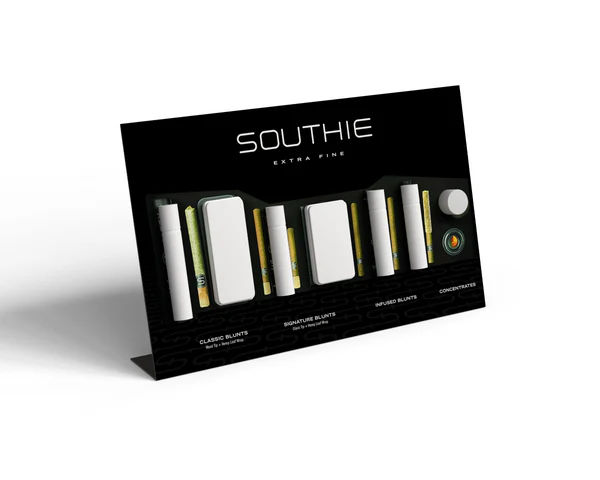
1. The Big Problem With One-Off Store Displays
So you've designed the perfect display for your flagship store. Looks amazing. High-end materials, perfect lighting, the whole nine yards. Then you try to roll that same concept out to a tiny pop-up in a mall or a small department store counter. And it just doesn't fit. This is the headache every retail visual merchandiser knows all too well. You end up designing completely new custom retail fixtures from scratch every single time. It's expensive, it wastes time, and more often than not your brand starts to look inconsistent across different channels. That’s a huge problem. Customers shouldn't feel like they're in a different store just because the space is smaller. That's where a solid modular display system can really save your sanity .
2. What A Modular Display System Actually Is
Let's be real, some people think a modular display system just means a bunch of boring cubes you can stack. And sure, that's part of it, but it’s so much more than that. It’s basically a kit of parts. You've got your core components—your main display tables, your risers, your back panels, and your signage—that are designed to work together in almost any configuration . The whole idea is that you design one, unified system. Then, whether you have a massive 200㎡ store or a tiny 8㎡ kiosk, you just pick the pieces you need, rearrange them, and boom. You’ve got a consistent retail display without re-engineering the wheel . It’s not the sexiest concept in retail design, but honestly, it just makes sense.
3. Saving Money and Time Is the Real Win
Look, I could talk about how a modular system looks great and that's important, but for most of us, the bottom line is what really matters. When you use a modular system, you're not paying for custom retail fixtures to be built for every single location. You’re investing in a standardized set of components that can be reused for years and across multiple campaigns. It drives down the cost per unit because the manufacturer is making the same parts repeatedly . Plus, think about the logistics. Instead of shipping a hundred different unique displays, you're just shipping flat-pack kits. That saves a fortune on freight. One beauty brand cut their VM hardware costs by 41% using this method . That's not pocket change. It’s just smart business.
4. Keeping Your Brand Identity Intact
This is the part that often gets messed up. You've got a gorgeous, high-end custom retail fixture in your flagship, and then a cheap, flimsy-looking rack in a department store. It completely dilutes your brand. People notice this stuff . A good modular display system solves that by using what's called a "core VM block." This is a piece that never changes, like a specific hero display table or a signature lighted logo panel that appears in every format, no matter how small . It's the anchor of your identity. You can also standardize the finishes, the materials, and the color palette right across the board . So, even if the setup is different, the vibe is unmistakably your brand.
5. Rethinking Your Custom Retail Fixtures Strategy
Now, I'm not saying you should throw out the idea of custom retail fixtures entirely. There's always going to be a place for them. A flagship store might have a huge, sculptural, one-of-a-kind installation that makes a statement . But you don't need that in every single store. Think of the modular system as your "base layer." It's your bread and butter for all your standard retail environments and pop-ups. Then, you use those big, custom elements as accents, maybe in just a few flagship stores. It flips the strategy on its head. You're not sweating the budget on custom work for a pop-up. You're investing in a smart, reusable base that gets the job done and looks good doing it.
6. How to Design for Flexibility
If you're going to make this work, you have to design for it from the get-go. You can't just take a fixed display and try to hack it apart later. The key is using a standardized grid system . If your shelves and panels work on a fixed measurement, they can be stacked, extended, or rotated without any issues. Also, think about the joinery. Use tool-free assembly like cam locks or magnetic connections so a store employee can set this stuff up in an hour . It also means you can swap out parts easily for seasonal updates. Maybe you just change a magnetic sign or a graphic panel, instead of buying a whole new display . That’s the power of a really well-designed modular display system.
7. Three Formats, One System
So how does this actually look in practice? Let's take a skincare brand. For an airport pop-up (the S format), you'd just use a small countertop tray with a hero product and a battery-powered light. Simple, portable. For a mid-size department store counter (the M format), you add a couple more tester trays, a backlit header, and some side panels to tell more of the story. Then, for their massive flagship (the L format), they use the same countertop units as anchors, but they build a full wall fixture around them with storytelling plinths, digital screens, and a lot more product space . It all looks like it belongs together, even though the scale is completely different.
8. Real-World Example: VSSL Gear's Modular System
There's a great case study from a company called VSSL Gear. They make premium coffee equipment for outdoor adventures. They needed a display that could work in a specialty coffee shop counter, but also stand on its own in an outdoor gear store . They designed a modular system with a few key components: a countertop unit with a lazy susan, a large freestanding fixture that was basically a bigger version of the counter unit on a pedestal, and a tiny little "Logo Block" that was just a branded sign to put on a bar top . One design, three different applications. It's a perfect example of how thinking modularly helps a brand punch above its weight class.
9. The Future is Systems, Not Displays
Retail is changing so fast. You don't know what your store footprint is going to look like in three years. You might be expanding, you might be downsizing, you might be focusing more on pop-ups. The days of designing a store and never changing the display are over . A modular display system gives you the agility to adapt to that change. It's future-proofing your investment. Instead of buying an expensive, fixed custom retail fixture that might be completely useless in six months, you're buying a durable asset that can be repurposed. It's a more sustainable way to do business, too, since you're not throwing away as much material every time you want to refresh your look .
10. Conclusion: Stop Reinventing the Wheel
Look, you're in the business of selling products, not building fixtures. If you're constantly starting from scratch on a new display for every new campaign or store opening, you're just wasting your energy and budget. The smarter play is to invest in a solid, scalable modular display system. It keeps your brand consistent, saves you a ton of money, and gives you the flexibility to pivot whenever you need to. It's not always the most glamorous solution, but it's the one that works. Maybe it's time to stop designing one-off displays and start building a system that grows with you.
Frequently Asked Questions
1. Can a modular display system really look high-end?
Yes, absolutely. Modular doesn't mean cheap. When you use premium materials like powder-coated metal, real wood veneers, and consistent lighting, you can achieve a very high-quality look . The key is to use a unified finish palette so the system looks cohesive, not like a hodgepodge of parts.
2. How do custom retail fixtures fit into a modular strategy?
Custom retail fixtures can still be used for flagship stores or for specific, high-impact focal points. The modular system becomes the standard "base layer" for pop-ups, smaller stores, and seasonal campaigns, saving the custom work for the spaces where it creates the most impact .
3. What are the first steps to implementing a modular display system?
First, define your "core VM block"—the element that must remain consistent across every format. Then, standardize your finishes, color palette, and lighting. Finally, work with a manufacturer to create a system that uses scalable components that can be combined in different ways for S, M, and L store formats .

 Arabic
 French
 Spanish
 Portuguese
 Deutsch
 Turkish
 Dutch
Dutch
 Italiano
 Russian
 Romaian
 Portuguese (Brazil)
 Greek
Greek