


Warning Signs of a Failing Dryer Motor
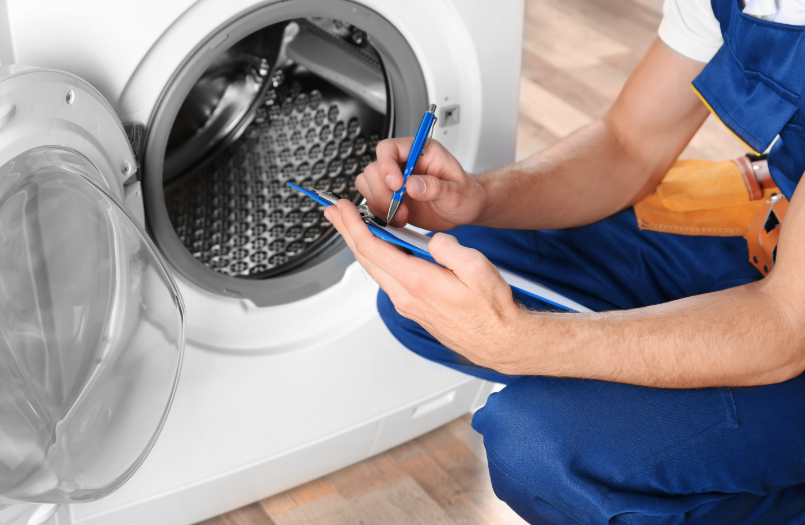
A properly working dryer is an essential part of any household, but its performance depends heavily on the condition of the motor. If the motor begins to wear out, your dryer may become less efficient, make unusual noises, or stop working altogether. Homeowners looking for dryer repair services in Pompano Beach FL should understand the early warning signs of a failing dryer motor before a complete breakdown occurs. Identifying these issues early can help reduce repair costs, extend the appliance's lifespan, and prevent inconvenient interruptions to your daily routine.
Understanding the Role of a Dryer Motor
The dryer motor is responsible for turning the drum and powering the blower wheel that circulates hot air through your clothes. Every drying cycle depends on this component functioning correctly. Since the motor operates under continuous stress and heat, it naturally experiences wear over time.
When the motor starts to fail, it affects more than just the drum's movement. Airflow, drying efficiency, and the overall performance of the appliance may also decline.
Unusual Grinding or Squealing Noises
One of the earliest signs of motor trouble is unusual noise during operation. While dryers naturally produce some sound, loud grinding, squealing, or humming often indicates internal motor wear.
Possible causes include:
- Worn motor bearings
- Damaged internal components
- Loose motor mounts
- Overheating motor parts
Ignoring these sounds can allow the damage to worsen, potentially leading to complete motor failure.
Dryer Stops Mid-Cycle
A dryer that suddenly shuts off before completing its cycle may have a motor that is overheating.
Many dryer motors include built-in thermal protection. When the motor becomes too hot, it automatically shuts down to prevent permanent damage. After cooling, the dryer may restart temporarily before shutting down again.
Frequent mid-cycle shutdowns should never be ignored, as they often point to an aging or failing motor.
Burning Smell During Operation
A burning odor coming from the dryer is always a warning sign.
Possible reasons include:
- Motor windings overheating
- Excessive friction inside the motor
- Dust buildup around electrical components
- Failing bearings creating heat
While lint accumulation can also produce a burning smell, a deteriorating motor should always be inspected promptly because overheating electrical components can become a serious safety concern.
Drum Fails to Rotate
If the dryer powers on but the drum does not turn, the motor may no longer be providing enough power.
Although a broken drive belt can cause similar symptoms, a failed motor is another common reason for a stationary drum.
Signs often include:
- Motor humming without drum movement
- Clicking sounds when starting
- Complete lack of drum rotation
Professional diagnosis helps determine whether the problem lies with the motor, belt, or another drive component.
Humming Without Starting
A humming noise when pressing the Start button often indicates that electricity is reaching the motor, but the motor cannot begin turning.
This may happen because:
- Internal motor damage
- Seized bearings
- Electrical winding failure
- Motor obstruction
Repeatedly attempting to start the dryer can place additional stress on the electrical system and worsen existing damage.
Clothes Take Longer to Dry
Longer drying times are not always caused by clogged vents. A weak motor can also reduce airflow because it struggles to spin the blower wheel efficiently.
Poor airflow prevents hot air from circulating properly through clothing.
Symptoms may include:
- Damp clothes after a full cycle
- Multiple drying cycles required
- Uneven drying results
- Reduced heat circulation
When airflow decreases despite clean vents, the motor should be evaluated.
Motor Runs Intermittently
An aging dryer motor may work inconsistently.
You might notice that:
- The dryer starts sometimes but not always.
- It works after cooling down.
- Performance changes from one cycle to another.
- Random shutdowns become more frequent.
These intermittent issues usually become worse over time and rarely resolve on their own.
Excessive Heat Around the Dryer
While dryers naturally generate heat, excessive warmth around the appliance may indicate that the motor is working harder than normal.
Overheated motors consume more electricity and place greater strain on surrounding components.
Additional signs may include:
- Hot cabinet surfaces
- Warm laundry room temperatures
- Frequent thermal shutdowns
- Reduced drying performance
Prompt inspection can prevent additional damage to other parts of the appliance.
Increased Energy Consumption
A struggling motor often requires more power to perform the same tasks.
You may notice:
- Higher electricity bills
- Longer operating times
- Reduced drying efficiency
- More frequent drying cycles
Replacing or repairing a worn motor can restore energy efficiency while improving overall dryer performance.
Frequent Circuit Breaker Trips
If the dryer repeatedly trips the circuit breaker, the motor may be drawing excessive electrical current.
Although electrical wiring problems can also cause breaker trips, failing motors commonly develop internal shorts or increased resistance that overload household circuits.
Never continue resetting the breaker without identifying the underlying cause.
Dryer Vibrates More Than Normal
Excessive vibration may indicate motor problems or worn mounting hardware.
As the motor bearings deteriorate, the motor may no longer rotate smoothly, causing vibration throughout the dryer.
You may notice:
- Shaking during operation
- Rattling noises
- Movement across the floor
- Louder operating sounds
These symptoms can eventually damage additional internal components if left unaddressed.
Common Causes of Dryer Motor Failure
Several factors contribute to motor wear over time.
The most common causes include:
- Normal aging
- Overloaded drying cycles
- Poor maintenance
- Restricted airflow
- Lint buildup
- Excessive heat exposure
- Worn bearings
- Electrical issues
Regular maintenance can significantly reduce stress on the motor and extend its service life.
Tips to Extend Dryer Motor Life
Proper maintenance helps prevent premature motor failure.
Helpful maintenance practices include:
- Clean the lint filter after every load.
- Inspect the exhaust vent regularly.
- Avoid overloading the drum.
- Schedule periodic appliance inspections.
- Keep the dryer area free of dust and debris.
- Address unusual noises immediately.
- Ensure proper ventilation around the appliance.
These simple habits reduce strain on the motor while improving drying efficiency.
When Professional Service Is Necessary
Some dryer issues can appear minor at first but quickly develop into expensive repairs. A motor that overheats, produces loud noises, or struggles to start should be inspected before complete failure occurs.
Professional technicians have the tools to test electrical components, evaluate motor performance, and identify whether repair or replacement is the most practical solution. Early diagnosis often prevents damage to other important dryer components such as the belt, blower wheel, heating element, or control board.
Conclusion
A failing dryer motor rarely stops working without giving warning signs first. Unusual noises, burning smells, longer drying times, overheating, intermittent operation, and drum movement issues all indicate that the motor may be nearing the end of its lifespan. Paying attention to these symptoms allows homeowners to address problems before they become more costly. Regular maintenance, proper ventilation, and timely professional inspections help keep your dryer operating safely, efficiently, and reliably for years to come.

 Arabic
 French
 Spanish
 Portuguese
 Deutsch
 Turkish
 Dutch
Dutch
 Italiano
 Russian
 Romaian
 Portuguese (Brazil)
 Greek
Greek