


White Gold vs Yellow Gold: Which Metal Best Complements Lab Grown Diamond Rings?
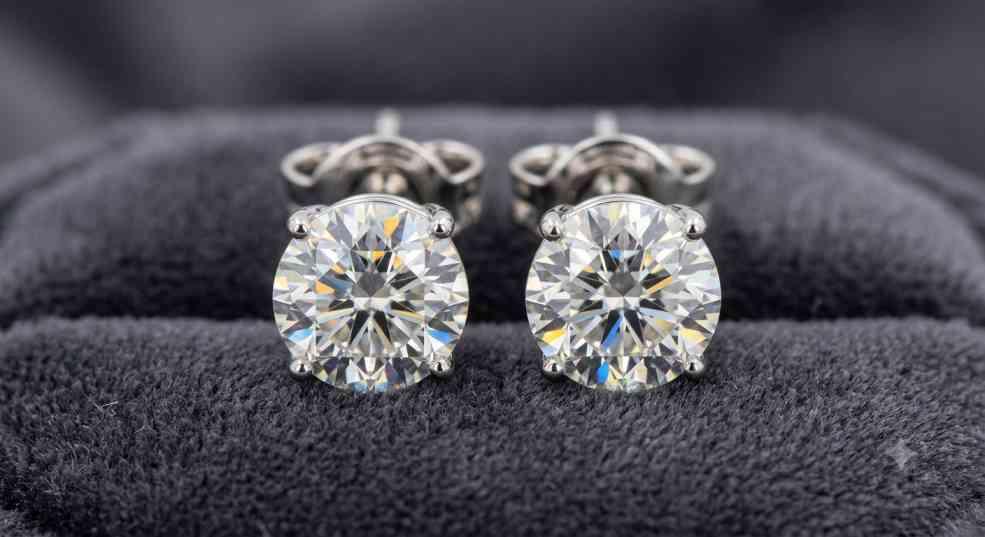
Choosing between white gold and yellow gold is one of the most important decisions when buying lab grown diamond rings. While the diamond often takes center stage, the metal you choose can dramatically influence its brilliance, color, and overall style. A well-matched setting not only enhances the beauty of your lab-grown diamond but also complements your skin tone, lifestyle, and personal aesthetic.
With lab-grown diamonds becoming more popular than ever in 2026, buyers have more customization options than previous generations. Whether you're shopping for an engagement ring, anniversary gift, or everyday jewelry, understanding how white gold and yellow gold interact with a diamond will help you make a confident investment.
This guide compares both metals in terms of appearance, durability, maintenance, and style so you can choose the setting that perfectly showcases your diamond.
The Visual Impact of Metal Choice
The color of the metal surrounding a diamond affects how bright, white, and brilliant the stone appears. Although lab-grown diamonds have the same physical and optical properties as mined diamonds, their appearance changes depending on the setting.
White gold creates a seamless, icy appearance that emphasizes brilliance, while yellow gold introduces warm contrast that makes the diamond stand out. Neither option is objectively better—the ideal choice depends on your style preferences, skin tone, and the diamond's color grade.
As more buyers invest in lab-grown diamonds for their value and sustainability, selecting the right precious metal has become just as important as choosing the stone itself.
How Color Hue Affects Diamond Brilliance
The White Gold Mirror Effect
White gold is one of the most popular choices for modern diamond jewelry because it reflects light similarly to a colorless diamond. This creates a clean, unified appearance where the diamond appears to "float" above the band.
Most white gold jewelry is coated with rhodium, a bright white precious metal that increases reflectivity and enhances sparkle. This mirror-like finish maximizes brilliance, especially for diamonds with excellent cut quality.
For high-grade lab-grown diamonds in the D–F color range, white gold helps create the signature "ice" effect that many buyers seek. Since the metal closely matches the diamond's color, attention stays focused on the stone rather than the setting.
The Contrast of Yellow Gold
Yellow gold offers a completely different visual effect. Instead of blending into the diamond, it creates contrast that draws attention to the stone's bright white center.
Many jewelry lovers appreciate this timeless look because it highlights the diamond against a warm background. However, yellow gold can sometimes reflect subtle golden tones into the lower portions of the diamond—a phenomenon often called color bleed.
To minimize this effect, experts generally recommend pairing yellow gold with higher color-grade lab-grown diamonds (D–F). These colorless stones maintain their crisp appearance even when surrounded by warm metal, producing a balanced and elegant look.
Matching Metals to Skin Undertones
Selecting a metal that complements your skin tone can make your jewelry appear even more flattering.
Warm Tones and Yellow Gold
People with warm undertones often have green or olive-colored veins when viewed under natural light. Their skin usually tans easily and carries golden, peach, or olive hues.
Yellow gold naturally enhances these undertones, creating a rich, glowing appearance that feels harmonious rather than contrasting.
This effect is particularly noticeable on medium and deeper skin tones, where yellow gold produces warmth without overwhelming the diamond.
A simple trick known as the "Gold Foil Test" can help. Hold a piece of gold-colored foil near your face in natural light. If your complexion appears brighter and healthier, yellow gold is likely your ideal match.
Cool Tones and White Gold
Cool undertones typically show blue or purple veins, while the skin carries pink, rosy, or neutral shades.
White gold enhances these cool tones by creating a crisp, sophisticated appearance. The bright white finish looks especially elegant against fair complexions and provides a clean, contemporary aesthetic.
Imagine the same 2-carat lab-grown diamond placed in two identical rings. On someone with cool undertones, the white gold version often appears brighter and more refined, while on someone with warmer skin, the yellow gold setting may look more balanced and radiant.
Ultimately, the best choice is the one that naturally complements your complexion.
Durability and Long-Term Maintenance
Appearance is only one factor when selecting a precious metal. Maintenance requirements also vary considerably.
The Rhodium Cycle in White Gold
White gold is created by alloying yellow gold with white metals such as palladium or nickel. It is then coated with rhodium to achieve its brilliant white finish.
Over time, everyday wear gradually removes this coating, causing the ring to reveal a slightly warmer tone beneath.
Most jewelers recommend re-plating white gold every one to three years, depending on wear. In the 2026 market, professional rhodium plating typically costs between $75 and $200 per treatment.
For buyers seeking a permanent naturally white metal, platinum is often considered an alternative. Although platinum costs more initially, it does not require rhodium plating because its white appearance is natural.
Pros of White Gold
- Bright modern appearance
- Maximizes diamond brilliance
- More affordable than platinum
Cons
- Requires periodic rhodium re-plating
- Maintenance costs accumulate over time
The Natural Stability of Yellow Gold
Unlike white gold, yellow gold maintains its color naturally without surface coatings.
Rather than changing color, it gradually develops a soft patina consisting of fine surface scratches. Many jewelry enthusiasts appreciate this aged appearance because it gives the ring character without affecting its structural integrity.
Routine cleaning is straightforward for both metals.
To keep your jewelry looking its best:
- Soak the ring in warm water with mild dish soap.
- Gently clean around the setting using a soft toothbrush.
- Rinse thoroughly.
- Dry with a lint-free microfiber cloth.
Professional inspections once or twice a year also help maintain the security of the diamond setting.
Style Archetypes and Aesthetic Goals
Fashion trends continue to influence metal preferences, making style an important part of the decision.
Modern Minimalist Trends
Minimalist jewelry remains one of the strongest trends in 2026.
White gold dominates contemporary engagement rings thanks to its sleek appearance and ability to blend seamlessly with colorless diamonds.
Thin white bands paired with lab-grown diamonds create an understated luxury that feels elegant without appearing flashy.
Many designers also embrace "invisible" settings, where minimal visible metal allows the diamond to become the primary visual focus.
This clean architectural style is particularly popular among buyers seeking timeless sophistication.
Vintage and Heirloom Vibes
Yellow gold has experienced a major revival as vintage-inspired jewelry continues gaining popularity.
Chunky gold bands, intricate detailing, and classic craftsmanship evoke Art Deco, Victorian, and heirloom aesthetics that never truly go out of style.
The warmth of yellow gold creates a romantic, traditional appearance while still showcasing the brilliance of a modern lab-grown diamond.
Mixed-metal jewelry is another growing trend. Pairing white gold engagement rings with yellow gold wedding bands—or vice versa—adds visual interest while offering greater versatility with existing jewelry collections.
Making the Final Decision
If you're still deciding between white and yellow gold, consider these practical questions:
- Do you have warm or cool skin undertones?
- Do you prefer modern minimalism or vintage elegance?
- Are you comfortable with occasional maintenance like rhodium re-plating?
- What color grade is your lab-grown diamond?
- Which metal complements your everyday wardrobe?
Whenever possible, view the same diamond in both white and yellow gold under natural daylight. Store lighting often exaggerates sparkle, while daylight provides the most accurate representation of how your ring will look every day.
There is no universally correct choice. White gold delivers crisp brilliance and contemporary elegance, while yellow gold offers warmth, timeless character, and lower maintenance.
Whether your priority is maximizing sparkle, enhancing your skin tone, or creating a family heirloom, selecting the right metal ensures your diamond shines at its absolute best.
If you're exploring lab grown diamond rings, compare both metal options side by side before making your final decision. The perfect combination of diamond quality and precious metal will create a ring that reflects your personality, lifestyle, and lasting sense of style.

 Arabic
 French
 Spanish
 Portuguese
 Deutsch
 Turkish
 Dutch
Dutch
 Italiano
 Russian
 Romaian
 Portuguese (Brazil)
 Greek
Greek