


Are Single Use Paint Brushes Worth It for Professional Painters?
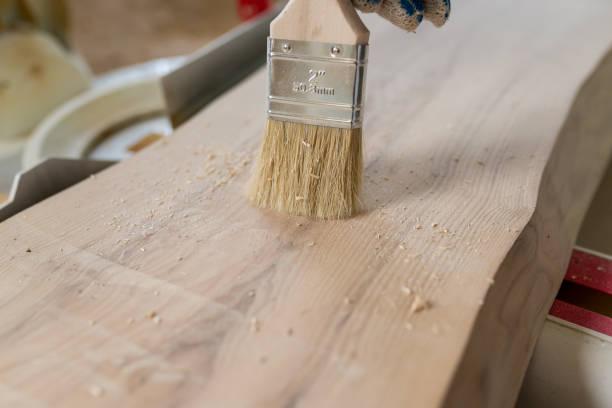
Walk onto any job site and you’ll see two types of painters. The ones cleaning brushes like it’s a ritual, and the ones tossing them without a second thought. Somewhere in the middle sits the debate around single use paint brushes. Are they just cheap throwaways, or actually a smart move for pros trying to stay efficient? Truth is, it’s not as black and white as some people make it sound. Depends on the job, the material, and honestly… how much you hate cleanup at the end of a long day.
What “Single Use” Really Means on the Job
Let’s clear this up first. “Single use” doesn’t always mean you literally use it once and dump it immediately. It usually means the brush isn’t worth the time, solvent, or effort to clean properly. That’s it. These are often lower-cost brushes, designed for rougher applications—think adhesives, epoxies, stains, heavy coatings. Stuff that ruins a good brush anyway. So instead of babysitting your tools, you just move on. Not glamorous, but practical.
Where They Actually Make Sense
There are jobs where using a premium brush is just… a bad call. Thick coatings, resins, oil-based products that cling and harden fast. You can spend 20 minutes cleaning, or just grab a fresh brush and keep moving. That’s where single-use options shine. Production work especially. When speed matters more than finesse. Large crews, tight timelines, repeat tasks—it adds up fast. You don’t want guys standing around a sink scrubbing bristles when they could be finishing a wall.
The Cost Argument (It’s Not Just About Price Per Brush)
At first glance, yeah, disposable brushes seem like a waste. You’re buying more, throwing more away. But step back a bit. Factor in labor time, cleaning supplies, water, solvents, and downtime. Suddenly the math shifts. A cheaper brush that saves 10–15 minutes per job? That’s real money over weeks and months. Not every contractor looks at it this way, but the smart ones do. It’s not about being cheap. It’s about being efficient, even if it feels a bit counterintuitive.
Performance Trade-Offs You Can’t Ignore
Now let’s not pretend these brushes are perfect. They’re not. You’re not getting razor-sharp cut-ins or ultra-smooth finishes with most of them. Bristle quality is usually lower. They shed sometimes. Edges aren’t as clean. So yeah, if you’re doing detailed trim or high-end interior work, don’t even think about it. This is where pros mess up—using the wrong tool for the wrong task and blaming the tool. Single-use brushes have their lane. Stay in it.
Environmental Concerns (Yeah, It Comes Up)
There’s no way around it—throwing away brushes isn’t exactly eco-friendly. More waste, more materials used. Some clients care about that, some don’t. Some contractors are trying to balance it by only using disposables when it really makes sense. Not for everything. And that’s probably the right approach. Blindly using single-use tools for every job? That’s lazy, honestly. But using them strategically? Different story.
Why Many Pros Still Keep a Stack of Them
Even painters who swear by their high-end brushes usually keep a box of disposables nearby. Because situations change. You hit a weird coating. A last-minute touch-up with harsh material. A job where cleanup options are limited. Having that backup just makes life easier. No overthinking, no wasted time. Grab it, use it, toss it, move on. Simple.
The Role of the 3 in Chip Brush in Everyday Work
This is where the 3 in chip brush quietly earns its place. It’s not flashy, not high-end, but it gets used more than people admit. Glue applications, quick stains, edge work on rough surfaces, even touch-ups where precision isn’t critical. It’s kind of the workhorse of disposable brushes. Cheap enough to not care, useful enough to always have around. Most pros don’t brag about it, but they reach for it all the time.
So, Are They Worth It in the Long Run?
Here’s the honest answer—sometimes yes, sometimes no. If you’re doing detailed, high-finish work all day, probably not. But if your jobs involve heavy coatings, fast turnarounds, or messy materials, they make a lot of sense. It’s less about the brush itself and more about how you use it. The best painters aren’t loyal to tools. They’re loyal to results.
Conclusion
At the end of the day, single use paint brushes aren’t a gimmick, and they’re not a miracle either. They’re just another tool. Used right, they save time, reduce hassle, and keep jobs moving. Used wrong, they cost you quality and make you look sloppy. Simple as that. Most pros figure out their balance over time. A few good brushes for precision. A stack of disposables for the messy stuff. That mix? That’s usually where things start to click.

 Arabic
 French
 Spanish
 Portuguese
 Deutsch
 Turkish
 Dutch
Dutch
 Italiano
 Russian
 Romaian
 Portuguese (Brazil)
 Greek
Greek