


Precision Machining Requirements That Add Cost to Custom Aluminum Extrusions
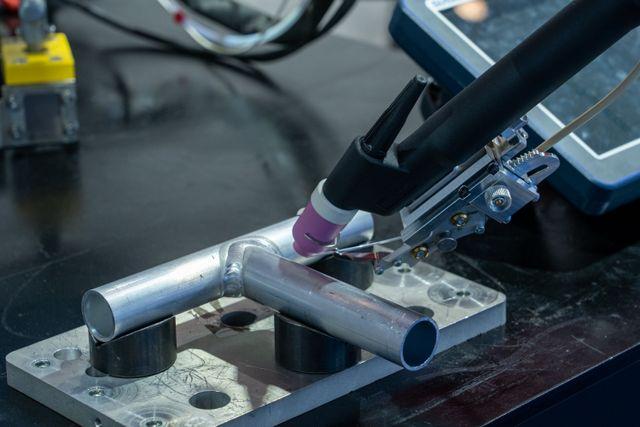
Every custom aluminum extrusion project begins with a profile designed to meet specific functional and dimensional requirements. While the extrusion process itself provides excellent flexibility, many components require additional machining before they are ready for assembly or installation. These secondary operations improve accuracy, create specialized features, and ensure compatibility with other parts. Understanding which machining requirements increase manufacturing costs helps businesses make informed design decisions when investing in Custom Aluminum Extrusions for industrial, commercial, or architectural applications.
Why Precision Machining Is Often Necessary
Meeting Tight Dimensional Tolerances
Many industries require aluminum components with dimensions that fall within very narrow tolerance ranges. These specifications ensure proper alignment, reliable assembly, and consistent product performance. Achieving tighter tolerances often requires additional machining operations, specialized equipment, and more frequent quality inspections, all of which contribute to higher production costs.
Creating Features Beyond the Extrusion Process
The extrusion process produces the basic profile shape, but certain design features cannot be formed during extrusion alone. Holes, threaded sections, precision slots, and intricate cutouts usually require secondary machining after the profile has been produced. These additional steps increase production time while requiring skilled operators and specialized tools.
Supporting High-Performance Applications
Industries such as aerospace, electronics, medical equipment, and manufacturing often demand exceptional precision. Components used in these applications must meet strict quality standards to ensure safety and reliability. Higher machining accuracy reduces variation but requires greater attention throughout the manufacturing process.
Machining Operations That Increase Production Costs
CNC Milling for Detailed Features
CNC milling removes material to create precise shapes, pockets, and complex surfaces that cannot be achieved during extrusion. Multi-axis machining improves flexibility but requires advanced programming and longer machine operation times. Businesses ordering Custom Aluminum Extrusions with extensive milling should expect higher production costs due to the additional labor and equipment involved.
Drilling and Threading Operations
Many aluminum profiles require drilled holes for fasteners, mounting systems, or internal components. Threading adds another machining stage that allows bolts and screws to secure directly into the extrusion. Although these processes appear straightforward, repeated precision across large production runs requires careful setup and quality control.
Precision Cutting and End Machining
Extrusions are commonly cut to exact lengths before entering final assembly. Some applications also require beveled edges, notches, or specially machined ends that improve fit and installation. Additional cutting operations increase machine time and require accurate measurement to maintain consistency across every part.
Design Factors That Influence Machining Costs
Tight Tolerance Specifications
Reducing allowable dimensional variation increases manufacturing difficulty. Smaller tolerances require slower machining speeds, more precise equipment calibration, and additional inspection procedures. Designers should specify tight tolerances only where they directly affect product performance.
Intricate Part Geometry
Profiles containing numerous pockets, narrow channels, or detailed contours require longer machining cycles. Complex shapes often demand multiple tool changes and advanced programming before production begins. Simplifying unnecessary design features can reduce machining time without sacrificing functionality.
Multiple Secondary Operations
Each additional machining process increases handling, setup time, and production complexity. Components requiring drilling, milling, threading, engraving, and finishing undergo several manufacturing stages before completion. Combining operations where possible can improve efficiency and reduce overall production costs.
Strategies to Control Precision Machining Expenses
Design for Manufacturability
Engineers can reduce machining requirements by designing profiles that maximize the capabilities of the extrusion process. Incorporating features directly into the extrusion minimizes secondary operations wherever practical. Early collaboration with manufacturers often identifies opportunities for cost savings before production begins.
Standardize Features Across Components
Using consistent hole sizes, thread dimensions, and machining patterns simplifies manufacturing. Standardized designs reduce programming time while allowing tooling to remain consistent across production runs. This approach improves efficiency and lowers long-term production costs.
Balance Precision With Practical Requirements
Not every dimension requires the highest possible level of accuracy. Businesses should identify critical features that directly influence product performance while allowing standard tolerances for less important areas. This balance helps control costs without compromising quality.
Selecting the Right Manufacturing Partner
Evaluate Technical Expertise
Manufacturers with extensive machining experience understand how to produce high-quality aluminum components efficiently. Skilled engineering teams also provide recommendations that improve manufacturability while maintaining product performance. Technical knowledge becomes especially valuable for highly specialized projects.
Assess Quality Control Processes
Reliable quality control verifies that finished components meet required specifications before delivery. Inspection equipment, documented procedures, and consistent testing reduce the risk of defects reaching customers. Strong quality assurance also minimizes costly rework during production.
Plan for Long-Term Production
Manufacturing partnerships often extend beyond a single project. Working with experienced suppliers allows businesses to refine designs, improve production efficiency, and maintain consistent quality over future orders. Long-term collaboration supports better planning and predictable manufacturing outcomes.
Key Takeaway
Precision machining adds value to aluminum extrusions by improving accuracy, creating specialized features, and supporting demanding applications, but these benefits also increase production costs. Factors such as tight tolerances, CNC milling, drilling, threading, and multiple secondary operations all influence the final price. Businesses investing in Custom Aluminum Extrusions can manage costs more effectively by simplifying designs, standardizing features, and working closely with experienced manufacturers to achieve the right balance between precision, functionality, and production efficiency.

 Arabic
 French
 Spanish
 Portuguese
 Deutsch
 Turkish
 Dutch
Dutch
 Italiano
 Russian
 Romaian
 Portuguese (Brazil)
 Greek
Greek