


Decoding the Mystique of the Chinese Year Animals: A Journey Through Time
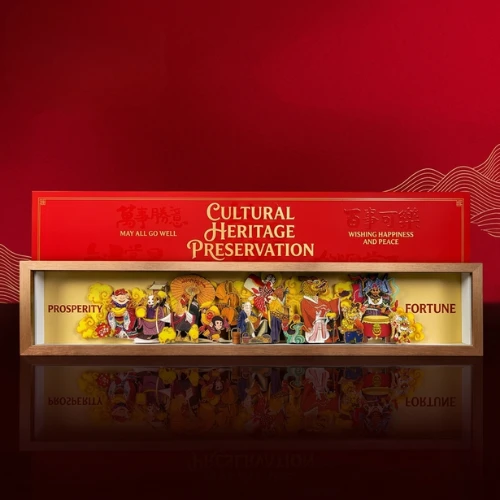
The cultural landscape of East Asia is deeply intertwined with a fascinating system of timekeeping that transcends mere numbers. Central to this tradition is the cycle of the Chinese year animals, a twelve-part zodiac system known as the Shengxiao. Unlike the solar-based constellations of Western astrology, this system is rooted in a complex interplay of the lunar calendar, traditional cosmology, and rich folklore. Each animal represents not only a year but an entire constellation of personality traits, fortunes, and cultural significance that has shaped the lives of billions for millennia.
The Mythological Origin of the Zodiac Cycle
To understand the Chinese year animals, one must first journey into the realm of ancient mythology. Legend holds that the Jade Emperor—the ruler of the heavens—organized a great race across a wide, rushing river to determine which creatures would hold a place in the celestial calendar. The order in which they finished defined the cycle we recognize today.
The Rat, demonstrating remarkable cunning, hitched a ride on the back of the Ox. As they neared the finish line, the Rat jumped ahead, securing the first position. The hardworking Ox arrived second, followed by the powerful Tiger, the gentle Rabbit, and the mighty Dragon. The Snake and Horse arrived next, followed by the nimble Goat, the clever Monkey, the proud Rooster, the loyal Dog, and finally, the persistent Pig. This legendary race established the sequence that defines the lives of those born under each sign, creating a tapestry of character archetypes that continue to influence everything from career choices to marriage compatibility in modern society.
The Lunar Calendar and the Cycle of Twelve
The Chinese year animals do not operate on the standard Gregorian calendar. Instead, they are synchronized with the lunisolar calendar, where the start of the year typically falls between late January and mid-February. Each year is represented by an animal, but there is an additional layer of complexity: the Five Elements. Wood, Fire, Earth, Metal, and Water cycle through the zodiac, ensuring that each specific animal-element combination only recurs every sixty years.
This adds a profound layer of nuance to the system. A Fire Dragon, for instance, possesses a different energetic signature than a Water Dragon. This rotating system creates a dynamic landscape of energy, suggesting that the "vibe" of a specific year influences the collective human experience, political shifts, and economic trends on a global scale.
Character Archetypes: Understanding the Signs
Each of the twelve Chinese year animals carries a specific set of characteristics that are said to be bestowed upon those born during their tenure.
-
The Rat: Celebrated for quick-wittedness and resourcefulness. People born in the year of the Rat are often seen as successful, adaptable, and highly intelligent.
-
The Ox: A symbol of diligence and persistence. The Ox represents the steady, unshakeable strength required to build a lasting foundation.
-
The Tiger: Known as the king of all beasts in the Chinese tradition, the Tiger represents bravery, competitiveness, and unpredictability.
-
The Rabbit: Embodying elegance, peace, and watchfulness. Those born under this sign are often viewed as sophisticated and artistic.
-
The Dragon: The only mythical creature in the zodiac, the Dragon represents power, nobility, and extraordinary ambition.
-
The Snake: Often associated with wisdom, intuition, and mystery. Snakes are perceived as deep thinkers who navigate life with grace.
-
The Horse: Representing vitality, freedom, and an active spirit. The Horse is constantly moving toward new horizons.
-
The Goat: A sign of creativity, gentleness, and empathy. The Goat thrives in environments where harmony is the priority.
-
The Monkey: The trickster of the zodiac, known for innovation, sharp intellect, and a playful personality.
-
The Rooster: Signifying punctuality, observation, and confidence. Roosters are the heralds of the new day.
-
The Dog: A hallmark of loyalty, sincerity, and duty. The Dog is the protector and the unwavering friend.
-
The Pig: The final animal, representing generosity, optimism, and genuine joy. It is a sign of abundance and warmth.
The Cultural Impact and Modern Relevance
The Chinese year animals remain a vibrant part of daily life. During the Lunar New Year, homes are adorned with decorations featuring the animal of the year to invite luck and prosperity. Businesses often align their branding or product releases with the characteristics of the upcoming sign. For example, a year governed by the Ox might see a focus on stability and endurance, while a year of the Monkey encourages rapid technological development and creative disruption.
This system acts as a shared language. It provides a shorthand for understanding human behavior and a framework for cultural celebration. Whether one is deeply invested in the astrological implications or simply appreciates the aesthetic and historical significance of these creatures, the zodiac serves as a bridge connecting the past with the present. It invites individuals to look beyond their immediate circumstances and consider themselves part of a larger, recurring cycle of natural and cosmic influence.
Navigating the Yearly Energy
For those who follow the tradition closely, each year brings specific challenges and opportunities. Understanding the Chinese year animals allows individuals to prepare for the energy ahead. If a year is governed by a sign known for volatility, practitioners might focus on grounding exercises. If a year is governed by a sign known for growth and expansion, it becomes a period for taking calculated risks and launching new ventures.
The beauty of the system lies in its cyclical nature. It teaches that there is a time for every type of energy—a time to be bold like the Tiger, a time to be contemplative like the Snake, and a time to be industrious like the Ox. By aligning personal goals with the prevailing energy of the current animal, many find a sense of harmony and direction that is often missing in the frantic pace of modern life.
Celebrating the Tradition
As global interest in cultural heritage grows, the Chinese year animals have transcended their regional origins to become a point of fascination worldwide. Art exhibits, literary works, and even fashion collections frequently draw inspiration from the iconography of the zodiac. The imagery—ranging from intricate paper cuttings of the Rabbit to majestic statues of the Dragon—serves as a testament to the enduring creativity of the cultures that fostered these traditions.
The study of these animals is an invitation to explore a profound philosophical perspective. It encourages us to recognize that we are part of a rhythm that is larger than ourselves. When we engage with these traditions, we are participating in a conversation that has spanned thousands of years, honoring the wisdom of ancestors who looked to the natural world to find meaning in the passage of time.
Final Thoughts
The fascination with the Chinese year animals is a testament to the human desire to find patterns, meaning, and connection within the universe. This system is far more than a simple calendar; it is a complex, living tradition that offers a unique lens through which to view personality, history, and the unfolding of fate. As the cycle continues to turn, bringing new animal energy to the forefront, we are reminded of the importance of balance, the value of tradition, and the enduring power of myth in shaping our collective consciousness. Embracing the wisdom of the zodiac allows us to navigate our lives with a deeper sense of awareness, finding harmony in the shifting tides of the lunar year.

 English
 French
 Spanish
 Portuguese
 Deutsch
 Turkish
 Dutch
Dutch
 Italiano
 Russian
 Romaian
 Portuguese (Brazil)
 Greek
Greek