


Fixed Gas Detector: A Complete Guide to Industrial Gas Detection, Workplace Safety & Compliance
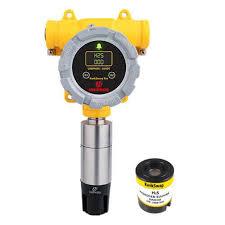
Industrial environments often involve hazardous gases that are invisible, odorless, and potentially life-threatening. Whether in oil & gas facilities, chemical plants, manufacturing units, mines, wastewater treatment plants, or power stations, even a small gas leak can result in equipment damage, production downtime, environmental hazards, or serious injuries.
A Fixed gas detector plays a critical role in continuously monitoring hazardous gases, alerting personnel before dangerous concentrations are reached. Combined with a reliable Gas transmitter, portable gas monitor, Handheld gas detector, and specialized fumigation instruments, industries can establish a comprehensive gas detection strategy that protects employees, assets, and the environment.
This guide explains how fixed gas detection systems work, where they are used, the features to look for, maintenance best practices, and how to select the right solution for your facility. Whether you are a Safety Engineer, EHS Manager, Plant Head, Maintenance Engineer, Procurement Specialist, or Industrial Consultant, understanding modern gas detection technology is essential for creating a safer workplace while meeting regulatory requirements.
What is a Fixed Gas Detector?
A Fixed gas detector is a permanently installed gas monitoring device designed to continuously detect hazardous gases in industrial environments. It identifies the presence of combustible, toxic, oxygen-deficient, or oxygen-enriched atmospheres and immediately sends alarms when gas concentrations exceed predefined safety limits.
Unlike a portable gas monitor or Handheld gas detector, which are carried by personnel for temporary inspections, fixed systems provide uninterrupted monitoring 24 hours a day.
Most fixed systems include:
-
Gas sensor
-
Gas transmitter
-
Control panel
-
Alarm system
-
Communication interface
-
Data logging capabilities
Modern gas detection systems can monitor multiple gases simultaneously, helping organizations prevent accidents before they occur.
Why is a Fixed Gas Detector Important?
Workplace Safety
Hazardous gas leaks can occur without warning. Continuous monitoring enables rapid detection, allowing workers to evacuate or initiate emergency procedures before exposure becomes dangerous.
Examples include:
-
Hydrogen sulfide in wastewater plants
-
Methane in mining operations
-
Ammonia in refrigeration systems
-
Chlorine in water treatment facilities
-
Carbon monoxide in manufacturing plants
Continuous gas monitoring significantly reduces workplace risks.
Regulatory Compliance
Many industries must comply with occupational safety regulations and environmental standards regarding hazardous gas monitoring.
Installing properly calibrated fixed gas detection systems helps organizations demonstrate compliance while maintaining documented safety records.
Operational Efficiency
Gas leaks can interrupt production, damage equipment, and require costly emergency shutdowns.
Continuous monitoring helps industries:
-
Prevent unexpected downtime
-
Reduce maintenance costs
-
Improve production continuity
-
Protect expensive equipment
-
Minimize environmental impact
Types of Fixed Gas Detector
Different industrial environments require different sensing technologies.
Toxic Gas Detectors
Monitor gases such as:
-
Hydrogen Sulfide (H₂S)
-
Chlorine
-
Sulfur Dioxide
-
Carbon Monoxide
-
Ammonia
Combustible Gas Detectors
Detect flammable gases including:
-
Methane
-
LPG
-
Hydrogen
-
Natural Gas
-
Propane
These detectors help prevent explosions.
Oxygen Detectors
Monitor oxygen deficiency or enrichment in confined spaces where breathing hazards may occur.
Infrared Gas Detectors
Ideal for hydrocarbon monitoring where high accuracy and long sensor life are required.
Multi-Gas Detection Systems
Large industrial facilities often install multiple detectors connected through centralized controllers for comprehensive plant monitoring.
How Does a Fixed Gas Detector Work?
A fixed gas detection system follows a straightforward process:
-
Gas enters the sensor.
-
The sensing element analyzes gas concentration.
-
The Gas transmitter converts the signal into readable data.
-
Information is sent to the controller or monitoring system.
-
Audible and visual alarms activate if thresholds are exceeded.
-
Automated actions such as ventilation, equipment shutdown, or emergency notifications may be triggered.
This real-time monitoring minimizes response time during gas leak incidents.
Key Features to Consider Before Buying
Choosing the right detector depends on your application and operational requirements.
Important features include:
-
High sensor accuracy
-
Fast response time
-
Weather-resistant housing
-
Explosion-proof construction
-
Digital communication protocols
-
Remote diagnostics
-
Easy calibration
-
Long sensor lifespan
-
Low maintenance requirements
-
Integration with SCADA or PLC systems
-
Multi-gas monitoring capability
-
Continuous self-diagnostics
Selecting equipment suited to your operating environment ensures reliable long-term performance.
Benefits of Using a Fixed Gas Detector
Installing continuous gas monitoring systems provides numerous operational and safety benefits.
Enhanced Worker Protection
Continuous monitoring warns employees before gas concentrations become hazardous.
Reduced Accident Risk
Early detection minimizes fires, explosions, poisoning incidents, and environmental releases.
Lower Downtime
Quick identification of leaks allows maintenance teams to resolve issues before major failures occur.
Better Compliance
Continuous monitoring supports adherence to industrial safety regulations and internal safety policies.
Improved Asset Protection
Gas leaks can damage sensitive equipment. Continuous monitoring protects valuable industrial assets.
Data Recording
Modern systems provide historical trend analysis useful for audits, investigations, and preventive maintenance.
Applications and Industries That Use Fixed Gas Detector
Fixed gas detection systems are used across numerous industries.
Oil & Gas
Monitor hydrocarbons, hydrogen sulfide, and combustible gases throughout processing facilities.
Chemical Manufacturing
Detect toxic chemical releases during production and storage.
Pharmaceutical Plants
Maintain safe production environments while protecting personnel.
Mining
Monitor methane and oxygen deficiency in underground operations.
Power Plants
Protect turbine rooms, battery storage areas, and fuel handling systems.
Water & Wastewater Treatment
Detect chlorine, hydrogen sulfide, methane, and oxygen levels.
Marine Industry
Monitor engine rooms, cargo areas, and enclosed spaces for hazardous gases.
Food Storage & Agriculture
Specialized fumigation instruments help monitor fumigation gases used in grain storage, warehouses, shipping containers, and agricultural facilities, ensuring safe handling and regulatory compliance.
How to Choose the Right Fixed Gas Detector
Selecting the right gas detection solution requires evaluating several factors.
Consider:
-
Which gases need monitoring?
-
Indoor or outdoor installation?
-
Temperature and humidity conditions
-
Hazardous area certifications
-
Number of monitoring locations
-
Sensor technology required
-
Maintenance accessibility
-
Calibration frequency
-
Communication protocol compatibility
-
Expansion capability
Facilities often complement fixed systems with a portable gas monitor or Handheld gas detector for inspections, confined space entry, maintenance work, and emergency response where permanent monitoring is not practical.
Installation, Maintenance & Best Practices
Proper installation is essential for accurate gas detection.
Best practices include:
-
Install detectors near potential leak sources.
-
Position sensors according to gas density.
-
Perform routine bump tests.
-
Schedule periodic calibration.
-
Replace aging sensors as recommended.
-
Maintain calibration records.
-
Train operators on alarm response procedures.
-
Integrate alarms with emergency shutdown systems where appropriate.
Preventive maintenance ensures continuous reliability throughout the detector's service life.
Comparison Table
|
Feature |
Fixed Gas Detector |
Portable Gas Monitor |
Handheld Gas Detector |
|
Installation |
Permanent |
Portable |
Handheld |
|
Monitoring |
Continuous 24/7 |
Temporary |
Spot checks |
|
Coverage |
Fixed location |
Multiple locations |
Individual inspections |
|
Alarm System |
Integrated |
Personal alarms |
Personal alarms |
|
Best For |
Industrial plants |
Maintenance teams |
Safety inspections |
|
Power Source |
Wired or fixed power |
Rechargeable battery |
Rechargeable battery |
|
Data Logging |
Extensive |
Moderate |
Basic to advanced |
Why Choose Uniphos Envirotronic?
Industrial gas detection requires reliable technology that delivers accurate performance under demanding operating conditions. Uniphos Envirotronic develops advanced gas detection and environmental monitoring solutions designed for industrial applications where safety and operational continuity are essential.
Its Fixed gas detector solutions are engineered for continuous monitoring, dependable performance, and seamless integration into industrial control systems.With expertise across industrial gas detection, environmental monitoring, process safety, and occupational safety, Uniphos Envirotronic supports industries requiring dependable monitoring solutions for hazardous environments.
Final Verdict
A Fixed gas detector is an essential component of modern industrial safety, providing continuous monitoring that protects workers, facilities, and the environment from hazardous gas exposure. When integrated with a reliable Gas transmitter, supported by portable gas monitor solutions for field inspections, complemented by Handheld gas detector devices for confined spaces, and enhanced with specialized fumigation instruments where required, organizations can build a comprehensive gas detection strategy.
By understanding gas hazards, selecting the appropriate detection technology, implementing proper installation and maintenance practices, and following recognized safety standards, industries can reduce operational risks while improving compliance and productivity. To explore industrial gas detection solutions tailored to a variety of applications, visit the Uniphos Envirotronic product pages for fixed gas detectors, fumigation monitoring equipment, and portable gas detection systems.
Frequently Asked Questions
1. What is the difference between a fixed gas detector and a portable gas monitor?
A fixed gas detector continuously monitors one location, while a portable gas monitor is carried by personnel to check gas levels during inspections or maintenance activities.
2. What gases can a fixed gas detector detect?
Depending on the sensor type, it can detect combustible gases, toxic gases, oxygen levels, carbon monoxide, hydrogen sulfide, chlorine, ammonia, methane, and many others.
3. How often should a fixed gas detector be calibrated?
Calibration intervals depend on manufacturer recommendations and site conditions, but routine calibration and bump testing are essential for maintaining accuracy.
4. Why is a gas transmitter important?
A Gas transmitter converts sensor readings into electrical signals that communicate with controllers, alarm systems, and industrial automation platforms.
5. Where are fumigation instruments commonly used?
Fumigation instruments are widely used in grain storage facilities, warehouses, agricultural applications, shipping containers, ports, and pest control operations.
6. Can fixed gas detectors operate outdoors?
Yes. Many industrial models are designed with weather-resistant and explosion-proof enclosures suitable for outdoor installations.
7. Why are handheld gas detectors still necessary?
Handheld gas detectors allow workers to perform spot inspections, confined-space testing, and emergency leak investigations where permanent detectors are unavailable.
8. Which industries benefit most from gas detection systems?
Oil & gas, chemical manufacturing, mining, marine, pharmaceuticals, food processing, wastewater treatment, power generation, and manufacturing facilities all rely on gas detection for workplace safety.

 Arabic
 French
 Spanish
 Portuguese
 Deutsch
 Turkish
 Dutch
Dutch
 Italiano
 Russian
 Romaian
 Portuguese (Brazil)
 Greek
Greek