


Pet Insurance Policies Explained: A Florida Owner's Guide
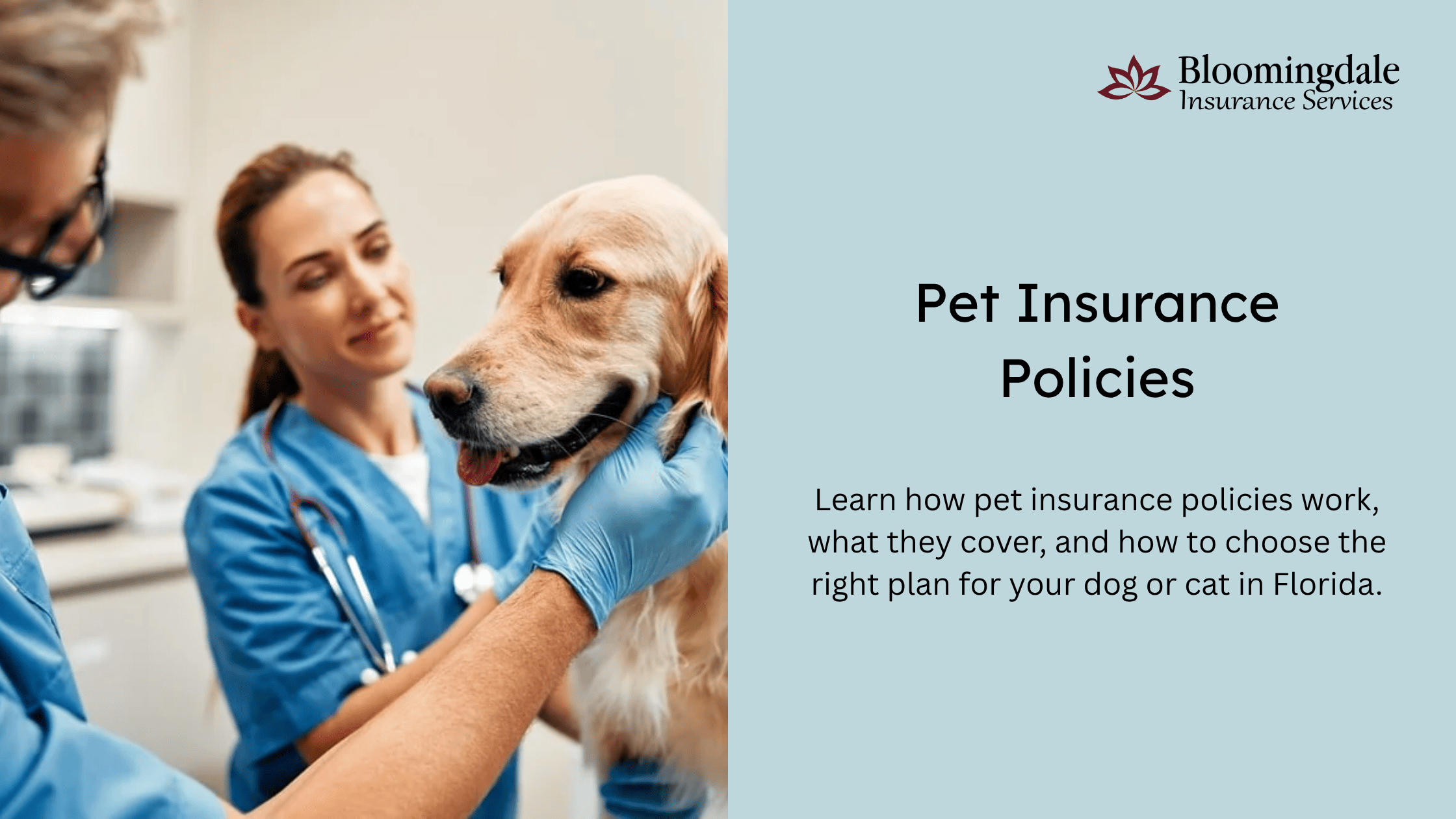
Choosing between different pet insurance policies can feel more complicated than it should be, especially with so many providers now offering plans that sound similar but function very differently underneath. Understanding how these policies actually work, rather than just glancing at a monthly premium, helps Florida pet owners make a decision that genuinely protects their animal instead of just checking a box. A little bit of knowledge upfront goes a long way toward avoiding disappointment the first time you actually need to file a claim.
Many pet owners assume all pet insurance functions roughly the same way, but the structure, exclusions, and reimbursement details behind each policy can vary considerably. Breaking down what these policies typically include, and how they differ from one another, makes the entire decision-making process far less overwhelming.
The Basic Structure Behind Most Pet Insurance Policies
Pet insurance generally works on a reimbursement model, meaning you pay the vet bill upfront and then submit a claim to your insurer for partial reimbursement afterward. This structure differs from human health insurance, where providers often bill the insurer directly, and it's worth understanding before your first claim so you're not caught off guard by the process. Most policies also include an annual deductible, a reimbursement percentage, and an annual coverage limit that together determine how much financial protection you actually have.
Understanding this basic framework helps explain why two policies with similar monthly premiums can feel very different once you're actually navigating a claim. A policy with a lower premium but a higher deductible and lower reimbursement percentage might end up costing you more out of pocket during a serious illness than a slightly pricier alternative.
Common Categories of Pet Insurance Policies
Pet insurance policies generally fall into a handful of categories, each designed around a different level of coverage and cost. Understanding these categories helps you choose a policy that actually matches your pet's needs rather than picking based on price alone.
Main Categories of Pet Insurance Policies
- Accident-Only Plans: Cover injuries from incidents like falls or swallowed objects, but exclude illnesses entirely.
- Accident and Illness Plans: Cover both injuries and common illnesses like infections or digestive issues.
- Comprehensive Plans: Include broader coverage for hereditary conditions and sometimes chronic disease management.
- Wellness Add-Ons: Optional coverage for routine vaccinations, checkups, and preventive care.
What Pet Insurance Typically Excludes
Just as important as understanding what pet insurance policies cover is understanding what they typically leave out. Pre-existing conditions are almost universally excluded, which is exactly why enrolling your pet while young and healthy tends to result in more comprehensive protection down the road. Some policies also exclude certain hereditary conditions unless specifically added through a comprehensive plan or endorsement.
Waiting periods are another detail worth understanding before enrollment, since most policies require a certain amount of time to pass after signing up before coverage actually begins. This means pet insurance isn't something you can activate the same day an emergency happens, which makes planning ahead genuinely important rather than optional.
Finding the Best Pet Insurance for Dogs
Specifically dogs face a particularly wide range of health risks depending on their breed, size, and activity level, which makes finding the best pet insurance for dogs a bit more involved than a generic pet insurance search. Larger breeds often benefit significantly from policies with strong orthopedic coverage, given their higher likelihood of joint and hip issues as they age.
Smaller breeds may prioritize different coverage areas, including certain dental or respiratory conditions more common in compact dogs. Reviewing how a specific policy handles your dog's breed tendencies, rather than assuming generic pet insurance covers everything equally, helps you avoid discovering an exclusion at the worst possible time.
Florida-Specific Considerations Within Pet Insurance Policies
Florida's climate introduces regional health risks that not every pet insurance policy addresses with the same level of detail. Heat-related illness and parasites common in warm, humid environments affect pets here more consistently than in cooler states, and it's worth confirming how thoroughly a policy handles these conditions before enrolling. Some providers offer more robust coverage for these regional realities than others, which is a meaningful point of comparison beyond just price.
Hurricane season adds another consideration, since evacuations and power outages can create stressful situations that sometimes lead to pet injuries or illness requiring emergency care. Having a solid policy in place before storm season arrives ensures you're not scrambling to understand your coverage during an already difficult time.
How to Compare Pet Insurance Quotes Across Different Policies
Learning to compare pet insurance quotes effectively becomes much easier once you understand the underlying policy structure behind each option. Two quotes with similar monthly premiums can carry very different annual limits, deductibles, and reimbursement percentages, and these details matter far more than the sticker price alone.
Requesting several quotes and reviewing the actual policy documents, rather than relying on a quick online summary, gives you a much clearer picture of what you're actually buying.
Key Details to Review Across Policy Options
- Annual or Per-Incident Limits: How much the policy actually pays out.
- Reimbursement Percentage: The share of each vet bill the insurer covers.
- Deductible Type: Whether it applies annually or resets with each new condition.
- Exclusions and Waiting Periods: What's left out and how long before coverage begins.
Finding Affordable Pet Insurance Plans Within the Right Structure
Everyone wants a reasonable monthly premium, and affordable pet insurance plans are genuinely available without sacrificing the coverage elements that matter most. The key is understanding which policy structure actually fits your pet's needs and your budget, rather than simply choosing whichever plan has the lowest advertised price.
Ways to Keep Costs Reasonable Without Losing Protection
- Enroll your pet while young, since premiums and exclusions both tend to be more favorable early on.
- Choose a deductible you're genuinely comfortable with rather than the lowest one available.
- Ask about multi-pet discounts if you have more than one animal in your household.
- Compare several policies rather than defaulting to the first quote you receive.
How the Pet Insurance Industry Has Evolved
The broader pet insurance industry has continued expanding in recent years, with more providers now offering increasingly flexible and customizable policies. This growing competition has generally benefited pet owners, since more choices tend to mean better opportunities to find a policy structure that genuinely fits your pet's specific needs.
It's worth periodically reviewing your existing pet insurance policies to confirm they still reflect the most competitive options currently available. Telehealth veterinary services have also become increasingly common and are sometimes included or supported under certain policies, adding convenience that wasn't as widely available just a few years ago.
Comparing Coverage Types at a Glance
Understanding what each policy type actually includes helps you make a more informed decision than comparing price alone.
| Policy Type | What It Covers | Best For |
|---|---|---|
| Accident-Only Plan | Injuries from falls or accidents | Budget-conscious owners with generally healthy pets |
| Accident and Illness Plan | Injuries plus common illnesses | Balanced everyday protection |
| Comprehensive Plan | Broader illness and hereditary coverage | Pets prone to specific conditions |
| Wellness Add-On | Routine vaccinations and checkups | Owners wanting predictable routine costs |
Reviewing Your Policy as Your Pet's Needs Change
A policy that fit perfectly when your pet was young and healthy might not address their needs as thoroughly once they enter their senior years. Many owners set up coverage once and rarely revisit it, even as their pet ages into a different risk category.
An annual review of your pet insurance policies helps confirm your coverage still genuinely matches your pet's current life stage and health needs.
Why Local Guidance Helps You Choose the Right Policy Structure
Generic online pet insurance comparisons can be a useful starting point, but they don't always explain the meaningful differences in policy structure or account for Florida-specific health risks. A knowledgeable local agent can walk you through the fine print behind different pet insurance policies and help you compare pet insurance quotes in a way that genuinely reflects your pet's needs.
Working with a trusted local agency like Bloomingdale Insurance Services can help you understand different pet insurance policies and choose coverage that genuinely protects your pet without unnecessary gaps. That kind of personalized guidance is difficult to replicate through an automated online quote tool.
Conclusion
Understanding pet insurance policies takes more than glancing at a monthly premium and assuming all providers offer roughly the same protection. Knowing how these policies are structured, what they typically exclude, and how to compare quotes effectively ensures you're choosing coverage that genuinely protects your pet. Don't wait for an unexpected vet bill to discover your policy fell short. Reach out to a licensed local agent today to compare options and find the right pet insurance policy for your household.

 Arabic
 French
 Spanish
 Portuguese
 Deutsch
 Turkish
 Dutch
Dutch
 Italiano
 Russian
 Romaian
 Portuguese (Brazil)
 Greek
Greek