


How Does a Swimming Pool Filtration System Work? A Complete Guide
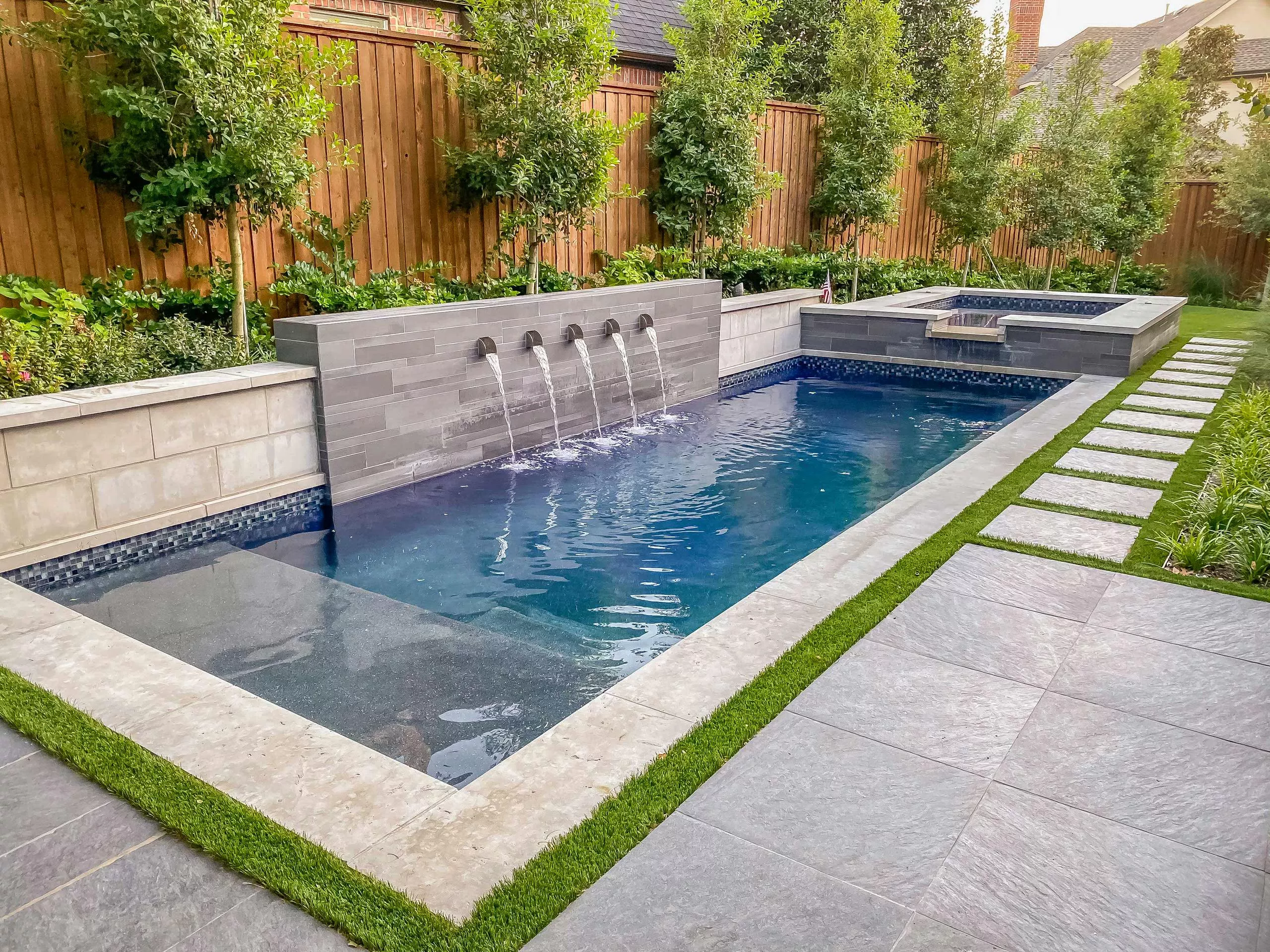
A clean and healthy swimming pool depends on more than just clear-looking water. The real work happens inside the swimming pool filtration system, which removes dirt, dust, leaves, oils, and microscopic particles from the water. Without proper filtration, pool water can quickly become cloudy and unsafe for swimming. Whether you own a residential pool or are planning a commercial project, understanding how the filtration system works helps you maintain better water quality and reduce maintenance costs.
If you are planning swimming pool construction, learning about the filtration process is essential. A professional swimming pool builder designs the filtration system according to the pool's size, usage, and water circulation requirements. This guide explains every stage of the filtration process in simple terms so you can make informed decisions.
Why Is a Swimming Pool Filtration System Important?
A filtration system keeps pool water clean by continuously circulating it through different components that trap impurities and return purified water to the pool.
Its main purposes include:
-
Removing dirt, dust, and debris
-
Preventing algae growth
-
Maintaining balanced water circulation
-
Improving water clarity
-
Supporting chemical effectiveness
-
Creating a healthier swimming environment
A properly designed swimming pool filtration system also reduces the frequency of manual cleaning and helps pool equipment last longer.
How Does a Swimming Pool Filtration System Work?
The filtration process follows a continuous cycle. Water moves through different components before returning clean to the pool.
1. Water Is Drawn from the Pool
The process begins when water enters the circulation system through:
-
Surface skimmers
-
Main drain
-
Vacuum points
These openings collect floating leaves, insects, dust, and other debris before water reaches the pump.
Good circulation ensures that dirt does not remain in one area for long.
2. The Pool Pump Creates Water Flow
The pump acts as the heart of the filtration system.
Its job is to:
-
Pull water from the pool
-
Push water toward the filter
-
Maintain continuous circulation
Without proper water movement, even the best filter cannot clean the pool effectively.
During swimming pool construction, selecting the correct pump capacity is just as important as choosing the filter itself.
3. Water Passes Through the Filter
This is the most important stage.
The filter traps particles that cannot be removed by skimmers alone.
Common filter types include:
Sand Filters
-
Easy to maintain
-
Suitable for residential pools
-
Cost-effective
-
Long service life
Cartridge Filters
-
Capture finer particles
-
Require less water for cleaning
-
Energy-efficient
DE (Diatomaceous Earth) Filters
-
Provide the finest filtration
-
Deliver crystal-clear water
-
Ideal for premium installations
Each type of swimming pool filtration system has its own advantages depending on the pool's usage and maintenance requirements.
How Clean Water Returns to the Pool
Once filtered, clean water flows back into the swimming pool through return jets.
These return inlets create circulation that helps:
-
Distribute chemicals evenly
-
Prevent stagnant water
-
Maintain consistent water quality
-
Improve overall cleanliness
Balanced circulation is one of the biggest factors in keeping pool water healthy.
Components of a Swimming Pool Filtration System
A complete filtration setup includes several important parts.
Pool Pump
Moves water throughout the system.
Filter Tank
Removes suspended particles from the water.
Multiport Valve
Controls filtration, backwashing, rinsing, and waste functions.
Pipes
Carry water between the pool and equipment.
Return Inlets
Send filtered water back into the pool.
Skimmers
Collect floating debris before it enters the filtration equipment.
Every component works together to keep the pool clean and efficient.
How Long Should a Pool Filtration System Run?
Most pools require filtration for around 8 to 12 hours each day.
The exact duration depends on:
-
Pool size
-
Weather conditions
-
Number of swimmers
-
Water temperature
-
Filter capacity
Running the filtration system regularly ensures proper water circulation and cleaner swimming conditions.
Signs Your Pool Filtration System Needs Attention
Even a quality system requires routine inspection.
Watch for these signs:
-
Cloudy water
-
Reduced water flow
-
High pressure on the filter gauge
-
Dirty return water
-
Unpleasant odor
-
Frequent algae formation
Ignoring these warning signs may increase maintenance costs over time.
Tips to Improve Filtration Performance
To keep your pool operating efficiently:
-
Clean skimmer baskets regularly.
-
Backwash sand filters when needed.
-
Replace damaged cartridges on time.
-
Check pump operation frequently.
-
Maintain proper water chemistry.
-
Remove large debris before it reaches the filter.
-
Inspect pipes for leaks.
Simple maintenance keeps the swimming pool filtration system performing at its best throughout the year.
Choosing the Right Filtration System During Swimming Pool Construction
The filtration system should always be selected according to the pool design.
Important factors include:
-
Pool dimensions
-
Water volume
-
Indoor or outdoor installation
-
Residential or commercial use
-
Expected daily usage
-
Maintenance preferences
-
Energy efficiency
An experienced swimming pool builder evaluates these factors before recommending suitable equipment.
Installing an undersized system may result in poor water circulation, while an oversized system can increase operating costs unnecessarily.
Why Professional Installation Matters
A filtration system performs well only when it is correctly designed and installed.
Professional installation helps ensure:
-
Proper equipment sizing
-
Correct pipe layout
-
Efficient water circulation
-
Lower energy consumption
-
Easier maintenance
-
Longer equipment life
During swimming pool construction, every component should work together to deliver reliable long-term performance.
Conclusion
A well-designed swimming pool filtration system is essential for maintaining clean, clear, and hygienic pool water. By continuously circulating and filtering water, it removes impurities, supports chemical balance, and enhances the overall swimming experience. Understanding how each component works helps pool owners maintain better water quality while reducing maintenance efforts and operating costs.
DS Water Technology specializes in complete swimming pool construction, advanced filtration solutions, and premium pool equipment for residential and commercial projects. With experienced professionals and quality products, the company focuses on delivering reliable, efficient, and customized solutions. Whether you need an expert swimming pool builder or dependable filtration equipment, DS Water Technology offers practical solutions designed for long-lasting performance.
Frequently Asked Questions (FAQs)
1. What is the main purpose of a swimming pool filtration system?
A swimming pool filtration system removes dirt, debris, and tiny particles from pool water while maintaining proper circulation for cleaner and healthier swimming conditions.
2. How many hours should a pool filtration system run each day?
Most pools require 8–12 hours of filtration daily, although the exact duration depends on pool size, usage, and weather conditions.
3. Which filter is best for a swimming pool?
Sand filters are popular for easy maintenance, cartridge filters provide finer filtration, and DE filters offer the highest level of water clarity.
4. Why is filtration important during swimming pool construction?
Proper filtration planning during swimming pool construction ensures efficient water circulation, easier maintenance, better water quality, and longer equipment life.
5. Why should I hire a professional swimming pool builder?
A professional swimming pool builder selects the right filtration equipment, designs efficient circulation, and ensures proper installation for reliable, long-term pool performance.

 Arabic
 French
 Spanish
 Portuguese
 Deutsch
 Turkish
 Dutch
Dutch
 Italiano
 Russian
 Romaian
 Portuguese (Brazil)
 Greek
Greek