


Precision in Ophthalmology: Selecting the Right Surgical Tools
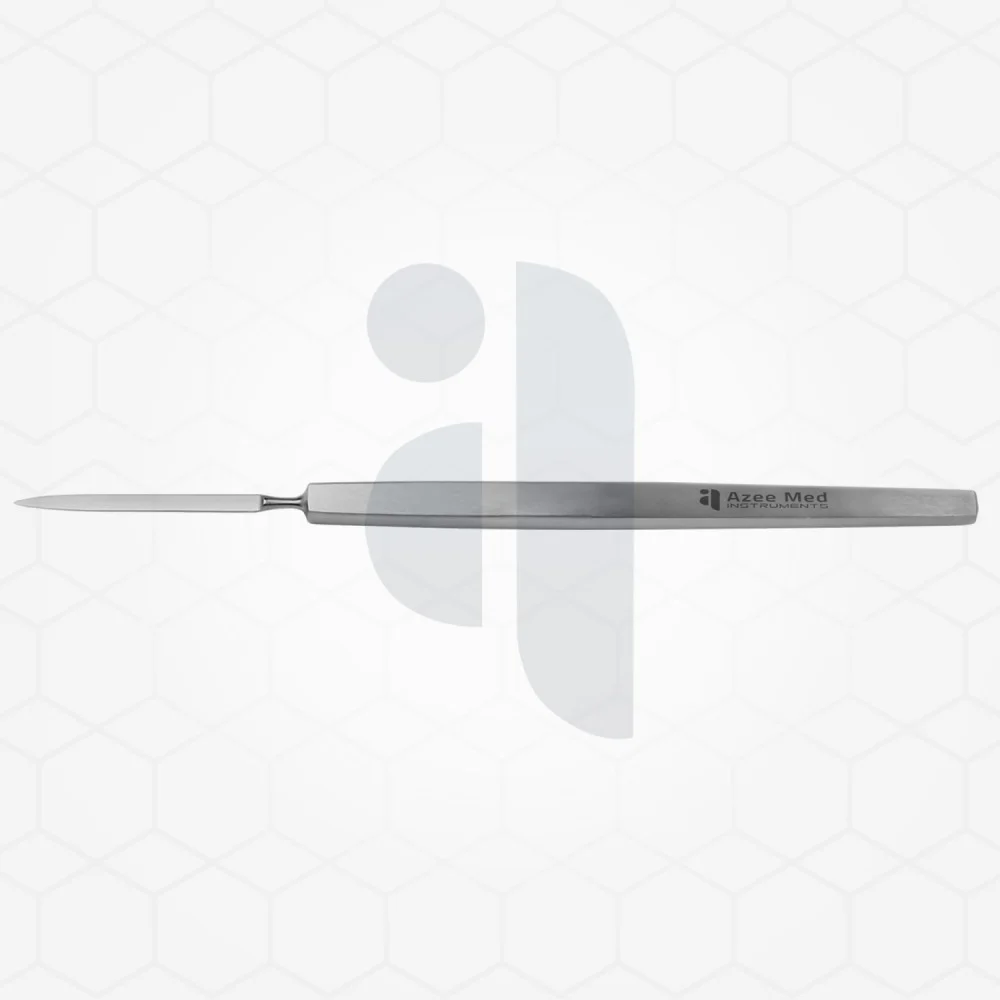
Modern ophthalmic surgery demands an extraordinary level of precision, where every movement must be calculated to the micrometer. Azeemed Instruments is dedicated to providing high-quality surgical tools that meet the needs of professionals. Among the most critical components of any surgeon's tray is the cataract knife, a specialized instrument engineered to facilitate clear, self-sealing incisions that are foundational to successful visual recovery. As technology advances, the demand for blades that minimize tissue trauma while ensuring rapid wound healing has never been higher.
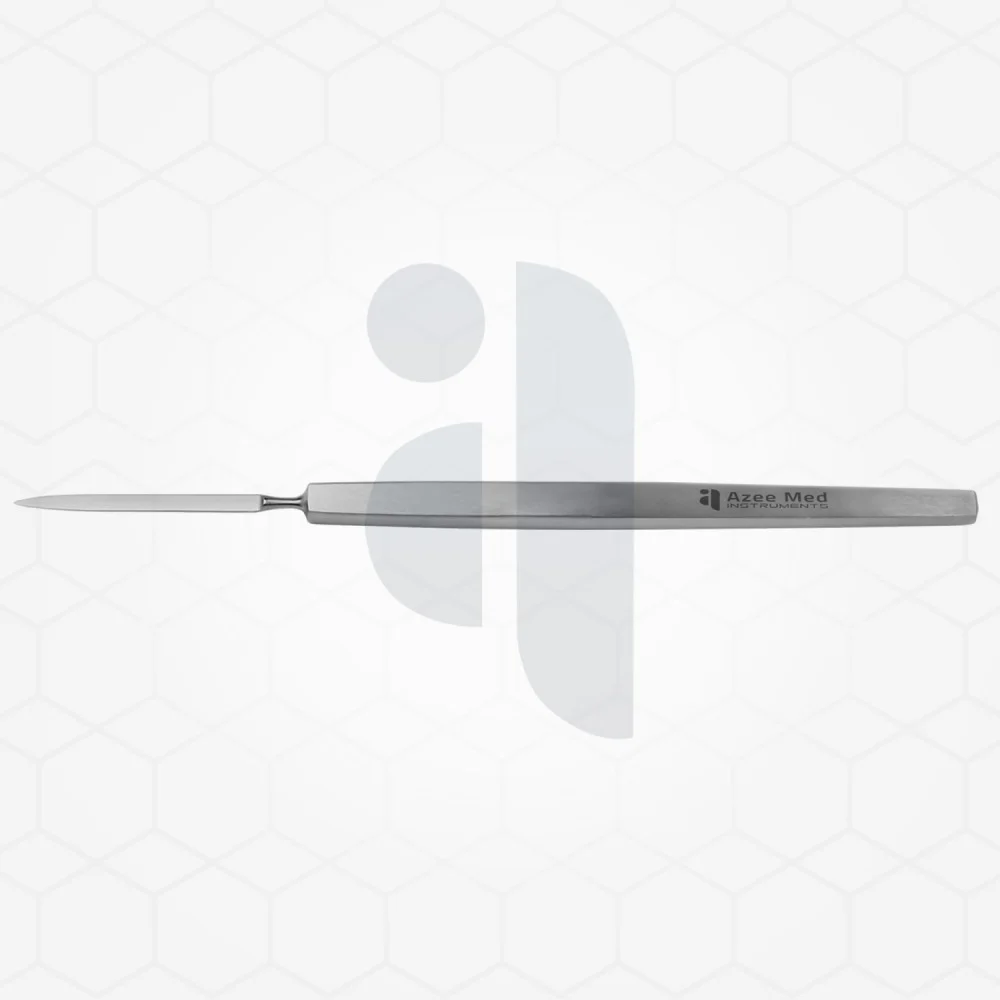
The Role of the Cataract Knife and Kuglen Hook
In the theater, the cataract knife serves as the primary gateway for the surgeon to enter the anterior chamber of the eye. These instruments are available in various configurations, such as slit, crescent, and side-port blades, each designed to optimize the architecture of the incision. Once the initial access is established, the surgeon requires secondary tools to navigate the delicate structures within. This is where the kuglen hook becomes indispensable; this specialized manipulator is expertly crafted to retract the iris or gently position the intraocular lens (IOL) during the procedure. By utilizing a high-quality kuglen hook in tandem with a precision-engineered blade, surgeons can maintain superior control over ocular tissues, ensuring that the lens capsule remains undisturbed while the nucleus is managed.
Advancements in Blade Technology
The evolution of surgical materials has transformed the standard cataract knife into a high-performance tool. Traditional stainless steel blades are still widely utilized for their reliability, yet many surgeons are shifting toward carbon alloy or diamond-coated tips for enhanced sharpness and durability. These advanced materials allow for lower insertion force, which significantly reduces the stress placed on corneal tissue during entry. When the cataract knife maintains its edge throughout the duration of the procedure, it ensures that the incision geometry remains consistent, which is a vital factor in preventing postoperative astigmatism and promoting rapid wound closure.
Choosing the Right Instrument Specifications
Selecting the correct cataract knife involves evaluating several technical parameters, including blade width, angle, and bevel orientation. A narrow side-port blade may be preferred for secondary incisions, while a wider slit blade is necessary for phacoemulsification access. Because Azeemed Instruments is dedicated to providing high-quality surgical tools that meet the needs of professionals, we emphasize the importance of matching the instrument’s design to the specific surgical technique—whether the surgeon is performing manual small-incision cataract surgery (MSICS) or a standard phacoemulsification approach. Understanding the biomechanics of the eye ensures that the chosen blade minimizes collateral tissue stress and enhances overall safety.
Maintenance and Sterilization Protocols
Because ophthalmology relies on absolute sterility, the maintenance of surgical instruments is as vital as the surgery itself. Whether using reusable stainless steel or single-use disposable options, every cataract knife must be handled with extreme care to protect the delicate cutting edge. Reusable instruments should be cleaned immediately following surgery using pH-neutral enzymatic solutions to prevent organic debris from caking onto the surface. Proper lubrication of hinged instruments and storage in protective silicone-lined trays are essential practices that extend the lifespan of your surgical set and prevent corrosion, ensuring that every tool remains ready for the next patient.

 Arabic
 French
 Spanish
 Portuguese
 Deutsch
 Turkish
 Dutch
Dutch
 Italiano
 Russian
 Romaian
 Portuguese (Brazil)
 Greek
Greek