


Plantar Fasciitis Treatment: Expert Solutions to Relieve Heel Pain and Restore Mobility
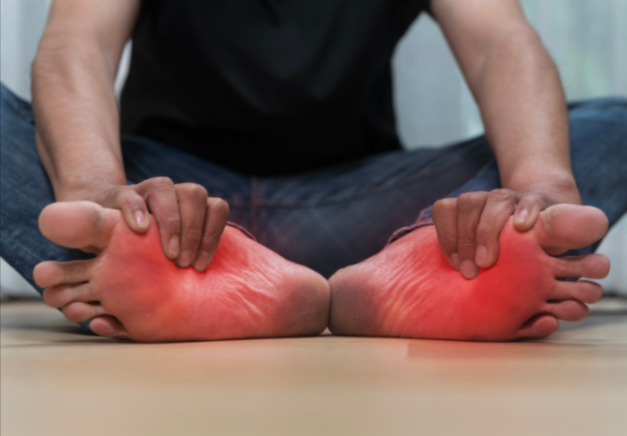
Heel pain is one of the most common foot problems experienced by adults, and plantar fasciitis is often the underlying cause. The condition can make your first steps in the morning extremely painful and may affect your ability to walk, exercise, or stand comfortably for long periods. Although plantar fasciitis is common, it should not be ignored, as untreated symptoms can become persistent and interfere with everyday life.
If you are looking for effective plantar fasciitis treatment, early diagnosis and a personalised treatment plan can help relieve pain and restore normal foot function. Mr Pavel Akimau is an experienced Orthopaedic Foot and Ankle Specialist who provides evidence-based care for plantar fasciitis, helping patients return to their daily activities with confidence.
What Is Plantar Fasciitis?
The plantar fascia is a strong band of connective tissue that runs along the bottom of the foot, connecting the heel bone to the toes. It supports the arch of the foot and absorbs shock during walking and running.
Plantar fasciitis occurs when this tissue becomes irritated due to repeated strain or overload. Tiny tears can develop within the fascia, leading to pain, stiffness, and inflammation around the heel.
Although commonly associated with runners, the condition can affect people of all ages and activity levels.
Common Symptoms
People with plantar fasciitis often experience:
- Sharp pain beneath the heel
- Pain during the first few steps in the morning
- Discomfort after long periods of sitting
- Pain after standing for extended periods
- Heel tenderness
- Tightness in the arch of the foot
- Increased pain after exercise rather than during it
Symptoms often improve with movement but return later in the day.
What Causes Plantar Fasciitis?
Several factors increase the risk of developing plantar fasciitis.
These include:
- Repetitive walking or running
- Standing for long hours
- Flat feet or high arches
- Tight calf muscles
- Excess body weight
- Unsupportive footwear
- Sudden increase in physical activity
Identifying these contributing factors helps guide successful treatment.
Diagnosing Plantar Fasciitis
Mr Pavel Akimau begins with a detailed clinical assessment to identify the exact source of heel pain.
The assessment may include:
- Review of symptoms
- Medical history
- Physical examination
- Assessment of foot posture
- Evaluation of walking pattern
- Imaging such as ultrasound or MRI if required
An accurate diagnosis ensures the most appropriate treatment plan is recommended.
Plantar Fasciitis Treatment Options
Most patients recover successfully without surgery when treatment begins early.
Activity Modification
Reducing activities that aggravate heel pain allows the plantar fascia time to recover while maintaining general fitness through low-impact exercise.
Physiotherapy
A structured physiotherapy programme is one of the most effective treatments.
Exercises focus on:
- Stretching the plantar fascia
- Improving calf flexibility
- Strengthening the foot muscles
- Improving ankle mobility
- Restoring normal walking mechanics
Supportive Footwear
Well-cushioned shoes with good arch support help reduce stress on the plantar fascia throughout the day.
Custom Orthotic Insoles
Orthotics improve foot alignment and distribute pressure more evenly across the foot, helping reduce strain on the plantar fascia.
Pain Relief
Where appropriate, anti-inflammatory medication may be recommended to manage discomfort while rehabilitation is underway.
Additional Treatments
Depending on individual symptoms and recovery, further treatment options may be considered to support healing and improve long-term outcomes.
When Is Surgery Necessary?
Surgery is rarely required for plantar fasciitis. Most patients improve with conservative treatment over several months.
However, surgical intervention may be considered if:
- Pain persists despite prolonged treatment
- Daily activities remain severely affected
- Other causes of heel pain have been excluded
Mr Pavel Akimau carefully discusses all available treatment options before recommending surgery.
Recovery After Plantar Fasciitis Treatment
Recovery varies depending on symptom severity and commitment to rehabilitation.
Most patients benefit from:
- Daily stretching exercises
- Gradual return to activity
- Physiotherapy
- Footwear modifications
- Ongoing strengthening exercises
Following your rehabilitation programme consistently is key to preventing recurrence.
Preventing Plantar Fasciitis
Simple lifestyle changes can reduce the risk of developing plantar fasciitis in the future.
Helpful measures include:
- Wearing supportive footwear
- Stretching before exercise
- Maintaining a healthy body weight
- Increasing activity levels gradually
- Replacing worn-out sports shoes
- Avoiding prolonged standing where possible
Taking care of your feet can significantly reduce repetitive strain on the plantar fascia.
Why Choose Mr Pavel Akimau?
Mr Pavel Akimau specialises in diagnosing and treating foot and ankle conditions using the latest evidence-based techniques.
Patients benefit from:
- Comprehensive assessment
- Personalised treatment plans
- Advanced diagnostic techniques
- Non-surgical treatment whenever possible
- Modern surgical expertise if required
- Structured rehabilitation guidance
- Compassionate patient care
Every treatment plan is tailored to the individual's symptoms, lifestyle, and recovery goals.
Frequently Asked Questions
What is plantar fasciitis?
Plantar fasciitis is a condition caused by irritation and degeneration of the plantar fascia, resulting in pain beneath the heel.
Can plantar fasciitis heal without surgery?
Yes. Most patients recover successfully with physiotherapy, supportive footwear, orthotics, stretching exercises, and activity modification.
How long does plantar fasciitis treatment take?
Recovery varies, but many patients notice gradual improvement over several weeks to months with appropriate treatment.
What shoes are best for plantar fasciitis?
Supportive shoes with good arch support, cushioning, and shock absorption are generally recommended to reduce strain on the plantar fascia.
Why choose Mr Pavel Akimau?
Mr Pavel Akimau provides expert diagnosis, personalised treatment plans, comprehensive rehabilitation, and advanced foot and ankle care to help patients achieve lasting pain relief.
Conclusion
Heel pain can significantly affect your daily routine, but effective plantar fasciitis treatment can restore comfort and improve mobility. Early diagnosis, structured rehabilitation, and expert guidance are essential for achieving the best results. Whether your symptoms are mild or persistent, Mr Pavel Akimau offers personalised care designed to relieve pain, promote healing, and help you return to your normal activities with confidence.
For more details please visit the website - https://pavelakimau.com/
Call us at - 07934539252 , 01782 432227
Email at - sjukes@protonmail.com
Address - North Staffordshire Hospital Clayton Road, Newcastle-under-Lyme, ST5 4DB

 English
 Arabic
 French
 Spanish
 Portuguese
 Deutsch
 Turkish
 Dutch
Dutch
 Italiano
 Russian
 Romaian
 Portuguese (Brazil)