


Preserving Heritage: The Enduring Magic of Traditional Chinese Craftsmanship
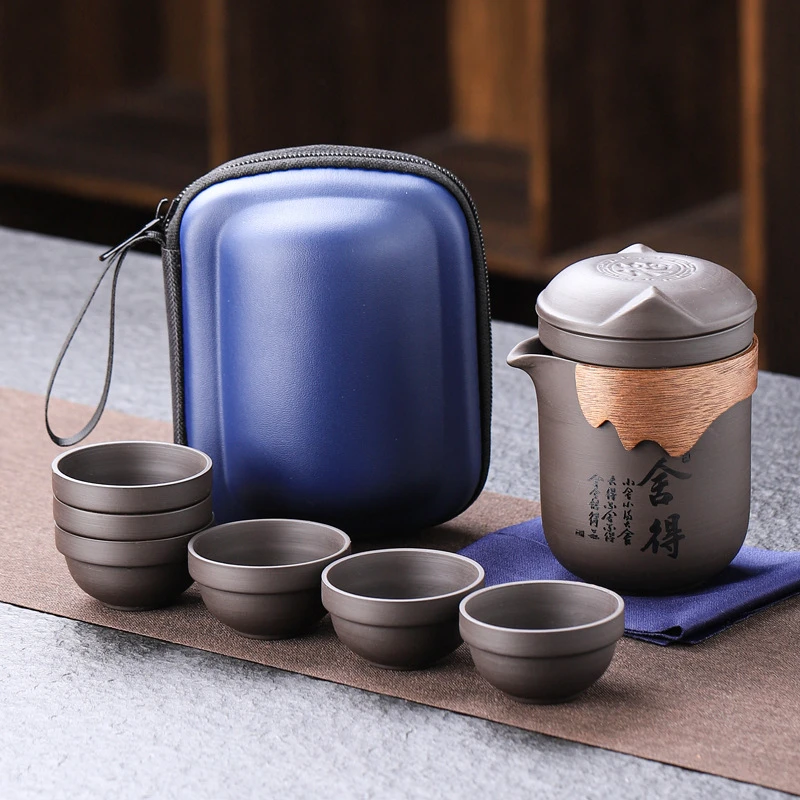
Throughout human history, certain cultures have developed artistic traditions so profound, intricate, and deeply rooted in philosophy that they transcend mere decorative utility. They become living archives of human ingenuity, patience, and spiritual expression. Among the world's most treasured cultural legacies, traditional chinese craftsmanship stands out as an extraordinary testament to mastery over material and time. Spanning thousands of years, these ancestral practices have transformed ordinary elements like clay, jade, wood, silk, and metal into breathtaking objects of timeless beauty.
Exploring the heritage of these historic artisan techniques offers a fascinating window into a world where patience is the ultimate tool and mastery is passed down through generations of dedicated families and guilds. In an era dominated by mass production, fast consumption, and digital replication, the world of ancient Asian artistry invites us to pause, reflect, and appreciate the immense dedication required to shape raw materials into enduring masterworks.
The Philosophical Foundations of Ancient Asian Artistry
To truly appreciate the depth of historical Asian making traditions, one must understand that creation was never viewed merely as physical labor. Instead, it was deeply intertwined with profound philosophical systems, including Taoism, Confucianism, and Buddhism. Artisans did not seek to conquer nature; rather, they sought to harmonize with it, listening to the inherent qualities of the medium before making a single cut, stroke, or fold.
For instance, jade carvers would spend days studying a raw stone, respecting its natural fissures, mineral inclusions, and color variations. The goal was never to force a design upon the material, but rather to reveal the form that was already believed to be slumbering within. This philosophy of living in concert with natural rhythms imbued every finished artifact with a quiet soul, a characteristic that distinguishes genuine heritage artistry from modern industrial manufacturing.
Timeless Mediums and Historic Disciplines
The landscape of historic Asian art is vast, encompassing a multitude of specialized disciplines that each required a lifetime of rigorous study to master.
Ceramic and Porcelain Mastery
Long before modern laboratories understood chemical compositions, ancient regional kilns were producing ceramics of staggering refinement. The legendary porcelain of Jingdezhen, often referred to as white gold, captured the imagination of global traders and monarchs for centuries. Achieving the perfect translucent body, vibrant cobalt blue underglazes, and flawless crackle finishes demanded precise temperature controls and an intimate understanding of local clays. Every fired vessel was a gamble against the intense heat of the dragon kilns, making successful creations feel almost miraculous.
Delicate Silk Weaving and Embroidery
Textile arts achieved astonishing heights through the cultivation of silkworms and the invention of complex drawlooms. Historic weaving centers produced fabrics with complex brocades, gold threads, and gossamer-light gauze. Alongside weaving, regional embroidery schools developed techniques involving thousands of distinct stitch variations, creating double-sided masterpieces where images appeared identical on both the front and reverse sides of the silk canvas.
Woodworking Without Nails
Another marvel of historic Asian building and furniture design is the tradition of mortise-and-tenon joinery. Master carpenters created robust chairs, tables, and architectural beams without using a single metal nail, screw, or drop of glue. These intricate interlocking wooden joints allowed structures to flex gently during seismic events while remaining structurally sound for centuries, showcasing an advanced understanding of physics and engineering wrapped in elegant aesthetic forms.
The Transmission of Knowledge Across Generations
A defining characteristic of these historic arts is the master-apprentice system. For centuries, knowledge was rarely written down in exhaustive manuals; instead, it lived in the hands, eyes, and daily habits of practitioners. Young apprentices would enter a workshop, often spending years performing basic tasks such as sweeping floors, preparing tools, and observing the master's movements before being allowed to touch primary materials.
This immersive, lifelong learning model ensured that subtle nuances—such as the exact pressure required for a brushstroke or the precise timing for removing metal from a forge—were absorbed instinctually. While this system preserved an astonishing level of technical purity across dynasties, it also rendered these lineages fragile, relying entirely on the willingness of younger generations to dedicate their lives to rigorous, quiet discipline.
Revitalizing Ancient Traditions in the Modern Era
In contemporary society, the challenge facing ancient creative traditions is how to survive in a mechanized world. Industrial alternatives can replicate shapes and patterns in seconds, but they cannot replicate the human stories, the minor imperfections that prove authenticity, or the meditative focus embedded in handmade creations.
Today, a passionate movement of modern designers, cultural institutions, and dedicated independent makers are working to breathe new life into these ancestral methods. By pairing historic techniques with contemporary utility, they are ensuring that these cultural treasures remain relevant. Supporting these modern custodians allows the ancient echoes of the past to continue speaking to future generations, reminding us of what is possible when human patience meets boundless creativity.
Final Thoughts
The legacy of ancient Asian artistry is much more than a collection of antique museum pieces; it is a living philosophy centered on mindfulness, respect for materials, and uncompromising dedication to craft. By exploring and valuing the meticulous techniques preserved over millennia, we honor the countless hands that shaped our cultural history. Embrace the profound beauty, patience, and enduring spirit of traditional chinese craftsmanship and discover how these timeless traditions continue to enrich our modern world.

 English
 Arabic
 French
 Portuguese
 Deutsch
 Turkish
 Dutch
Dutch
 Italiano
 Russian
 Romaian
 Portuguese (Brazil)
 Greek
Greek