


Which Solid Hydrogen Storage Solution Is Best?
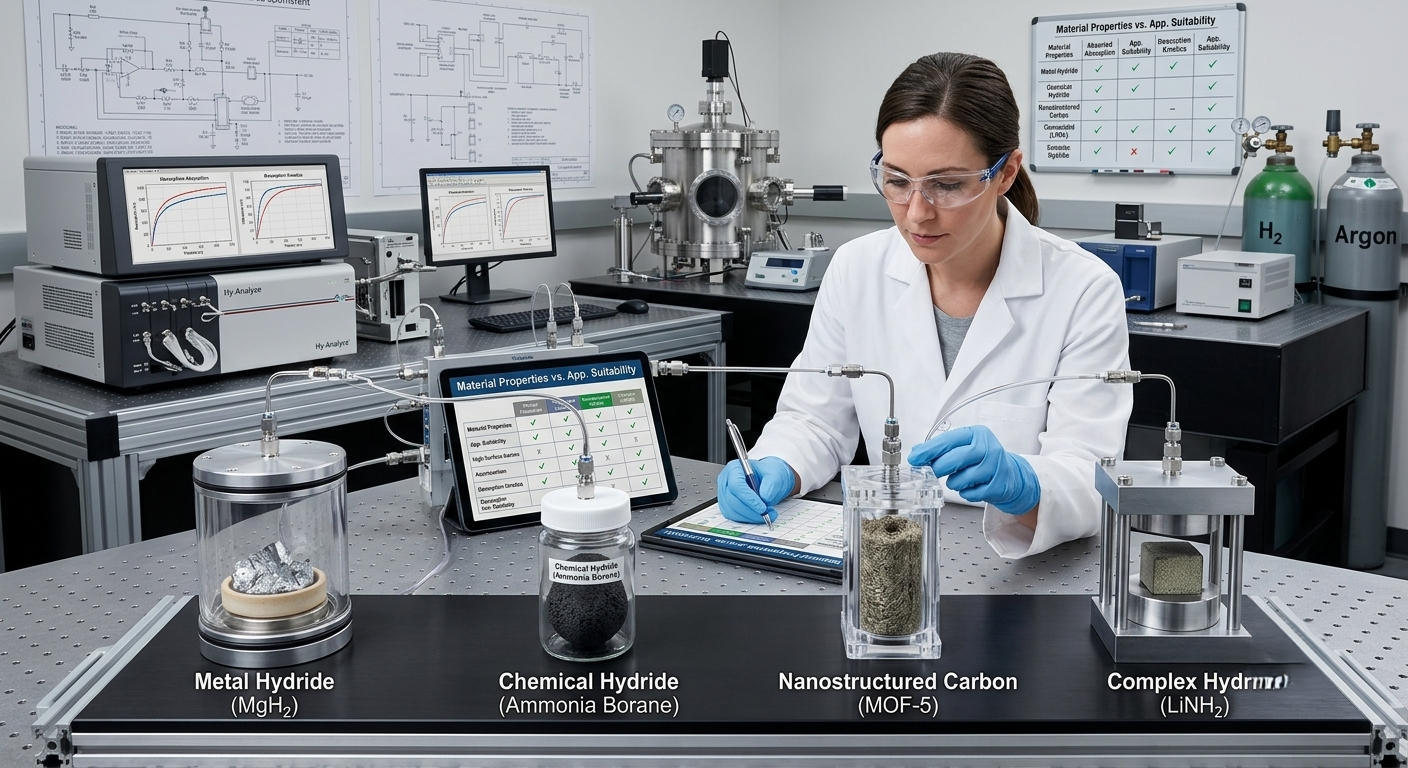
Hydrogen is becoming one of the most important clean energy sources in the world. A reliable solid hydrogen storage solution is helping industries store hydrogen in a safer, more efficient, and more practical way than many traditional storage methods.
As more businesses and researchers invest in hydrogen technology, choosing the right storage system has become a key decision. The best option depends on several factors, including safety, storage capacity, cost, operating conditions, and the intended application. Understanding these factors helps organizations make informed decisions while supporting a cleaner energy future.
What Is a Solid Hydrogen Storage Solution?
A solid hydrogen storage solution is a method of storing hydrogen inside solid materials instead of keeping it as compressed gas or extremely cold liquid. Special materials absorb hydrogen and safely hold it until it is needed. When hydrogen is required, the material releases it under controlled conditions.
This storage method has attracted attention because it can improve safety while reducing the need for very high-pressure tanks or cryogenic temperatures. Scientists continue developing new materials that increase storage capacity and improve efficiency.
Why Hydrogen Storage Matters
Hydrogen is a clean fuel that produces only water when used in fuel cells. However, storing hydrogen efficiently has always been one of the biggest challenges for the energy industry.
Good storage systems make hydrogen easier to transport, distribute, and use across different industries. Better storage also supports renewable energy by storing excess power generated from solar and wind systems.
Without reliable storage technologies, hydrogen cannot reach its full potential as a sustainable energy source.
Common Hydrogen Storage Methods
Different storage methods are available today. Each offers its own advantages and limitations.
Compressed Hydrogen Gas
Hydrogen is stored inside strong pressure tanks, usually at very high pressure.
Advantages include:
- Widely available technology
- Fast filling process
- Common in transportation
Limitations include:
- High-pressure safety requirements
- Heavy storage tanks
- Lower energy density compared to solid storage
Liquid Hydrogen
Hydrogen becomes liquid after being cooled to extremely low temperatures.
Advantages include:
- Higher storage density
- Suitable for aerospace applications
Limitations include:
- High cooling costs
- Energy loss during storage
- Complex insulation systems
Solid Hydrogen Storage
Hydrogen is absorbed into solid materials such as metal hydrides or advanced porous materials.
Advantages include:
- Improved safety
- Lower operating pressure
- Compact storage
- Better long-term stability
Limitations include:
- Material cost
- Weight of storage materials
- Ongoing research for faster hydrogen release
How Does a Solid Hydrogen Storage Solution Work?
A solid hydrogen storage solution works by allowing certain materials to absorb hydrogen atoms into their internal structure. These materials act like a sponge that stores hydrogen safely.
When energy is required, controlled heat or pressure changes release the stored hydrogen for use.
Researchers continue improving materials to increase storage speed, capacity, and durability.
Materials Used in Solid Hydrogen Storage
Different materials perform differently depending on the application.
Metal Hydrides
Metal hydrides are among the most established storage materials.
Benefits include:
- High safety
- Good hydrogen density
- Long service life
Challenges include:
- Higher weight
- Heat management during charging and discharging
Complex Hydrides
Complex hydrides can store larger amounts of hydrogen than traditional metal hydrides.
Advantages include:
- High storage capacity
- Suitable for advanced energy systems
Challenges include:
- Higher operating temperatures
- Slower hydrogen release
Porous Materials
Materials such as Metal-Organic Frameworks (MOFs) and activated carbon have microscopic pores that trap hydrogen.
Benefits include:
- Lightweight design
- High research potential
- Excellent surface area
Challenges include:
- Commercial development is still progressing
- Performance depends on operating temperature
What Makes the Best Solid Hydrogen Storage Solution?
No single technology is perfect for every application. The best solution depends on several important factors.
Safety
Safety remains the highest priority. A good storage system should reduce leakage risks while operating at lower pressures than compressed hydrogen tanks.
Solid storage generally offers improved safety because hydrogen stays inside solid materials instead of existing as free gas.
Storage Capacity
Higher storage capacity allows more hydrogen to be stored in less space.
Researchers measure storage performance using weight percentage and volumetric density.
Higher storage density helps improve transportation efficiency and reduces storage costs.
Charging and Discharging Speed
A practical system should absorb and release hydrogen quickly.
Faster charging improves operational efficiency, while controlled hydrogen release supports reliable energy delivery.
Operating Temperature
Some storage materials require high temperatures before hydrogen can be released.
The best solutions aim to operate efficiently at moderate temperatures, reducing energy consumption.
Long-Term Durability
Storage materials should continue performing well after thousands of charging and discharging cycles.
Durable materials reduce maintenance costs and improve long-term reliability.
Cost
Affordability plays a major role in commercial adoption.
Manufacturing costs, material availability, maintenance requirements, and operating expenses all influence the total investment.
Industries Using Solid Hydrogen Storage
Hydrogen storage supports many growing industries.
Renewable Energy
Solar and wind energy often generate more electricity than needed.
Hydrogen storage allows excess electricity to produce hydrogen, which can later generate electricity when demand increases.
Transportation
Hydrogen-powered vehicles continue expanding worldwide.
Solid storage may improve vehicle safety while reducing storage pressure requirements.
Industrial Manufacturing
Many industries use hydrogen during production processes.
Reliable storage supports continuous manufacturing while improving operational safety.
Backup Power Systems
Hospitals, data centers, communication facilities, and emergency systems require dependable backup power.
Hydrogen fuel cells supported by solid storage provide clean and reliable electricity during outages.
Benefits of Choosing a Solid Hydrogen Storage Solution
Organizations continue exploring this technology because it offers many advantages.
Enhanced Safety
Hydrogen remains locked inside solid materials, reducing leakage risks and lowering storage pressure.
Better Energy Density
Many solid materials store hydrogen more efficiently than compressed gas tanks.
Environmental Benefits
Hydrogen supports lower greenhouse gas emissions when produced using renewable energy.
Efficient storage makes clean hydrogen more practical for everyday use.
Long Storage Life
Many solid materials retain hydrogen for extended periods with minimal loss.
This makes them suitable for seasonal energy storage and emergency power systems.
Reduced Transportation Challenges
Compact storage systems may simplify transportation and handling compared with traditional high-pressure cylinders.
Challenges That Still Need Improvement
Although the technology continues improving, several challenges remain.
Material Costs
Some advanced storage materials remain expensive to manufacture.
As production increases, costs are expected to decrease.
Weight
Certain storage materials add significant weight, making them less suitable for some mobile applications.
Researchers continue developing lighter alternatives.
Heat Management
Hydrogen absorption and release often involve temperature changes.
Efficient thermal management systems improve overall performance.
Commercial Scale
Many advanced materials remain under research and are gradually moving toward large-scale production.
Continued investment is accelerating commercial development.
Future Trends in Solid Hydrogen Storage
The future of hydrogen storage looks promising.
Scientists are working on:
- Higher-capacity storage materials
- Faster hydrogen charging systems
- Lower operating temperatures
- Lower production costs
- Lightweight storage designs
- Better integration with renewable energy
Artificial intelligence, advanced material science, and improved manufacturing techniques are expected to accelerate innovation over the coming years.
Why Bonded H2 Supports Advanced Hydrogen Storage
Bonded H2 understands that efficient hydrogen storage is essential for building a sustainable energy future.
By following advancements in hydrogen technology, innovative materials, and clean energy systems, Bonded H2 helps support solutions that improve safety, efficiency, and long-term performance. As industries continue adopting hydrogen-powered technologies, reliable storage will remain a critical part of the clean energy transition.
Final Thoughts
Choosing the best solid hydrogen storage solution depends on the intended application, safety requirements, storage capacity, operating conditions, and long-term costs. While no single technology meets every need, continuous innovation is making solid hydrogen storage more practical and commercially attractive.
From renewable energy systems to transportation and industrial applications, this technology continues to demonstrate significant potential. As research advances and materials become more efficient and affordable, organizations are expected to benefit from safer, more reliable, and environmentally responsible hydrogen storage solutions. Bonded H2 recognizes that these ongoing developments will continue shaping the future of clean energy and supporting broader adoption of hydrogen technologies worldwide.
Here, you can find more articles.

 English
 Arabic
 French
 Spanish
 Portuguese
 Turkish
 Dutch
Dutch
 Italiano
 Russian
 Romaian
 Portuguese (Brazil)
 Greek
Greek