


Safe, Clean, & Nutrient-Dense: The Ultimate Guide to Your Baby's First Meals
The Complete Guide to First Infant Foods: Nutrition, Safety, and First Solid Meals
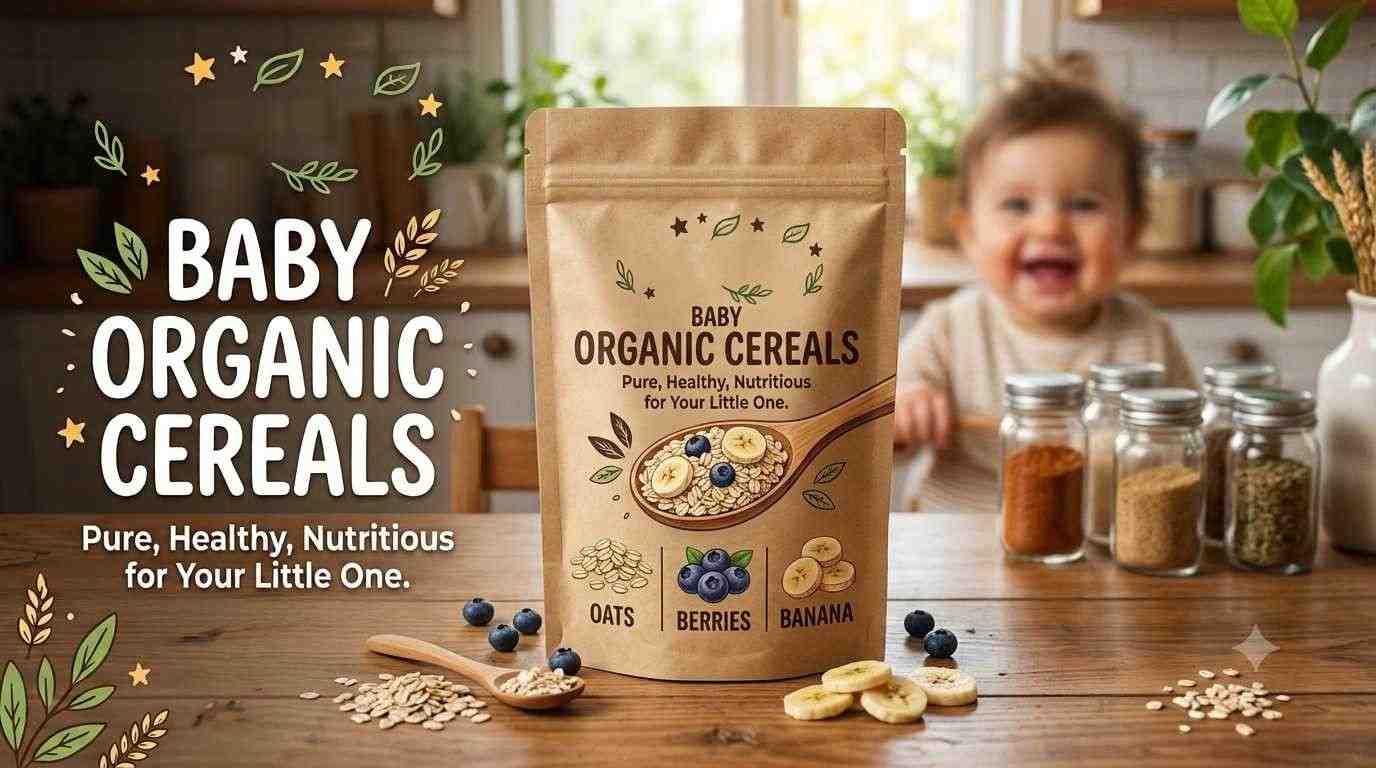
Starting solid foods with your baby is an exciting milestone. As parents look for the cleanest, most nutrient-dense options, baby organic cereals have become a top choice for pediatricians and caregivers alike.
Choosing the right first food sets the foundation for your child's lifelong eating habits. Natural infant grains offer gentle digestion, essential nutrients, and peace of mind regarding synthetic pesticides and heavy metal exposure.
Why Choose Natural Grain Options for Your Infant?
Parents often ask whether buying organic truly makes a difference for infants. Pediatric experts agree that an infant's developing body is far more sensitive to chemical residues than an adult's body.
Key Benefits of Organic First Foods:
-
Zero synthetic pesticides: Keeps harmful sprays off your infant's spoon.
-
Non-GMO certification: Guarantees grains grow naturally without gene editing.
-
Rich nutrient profile: Delivers dense, unrefined vitamins and minerals.
-
Gentle digestion: Protects delicate infant digestive systems.
Protection Against Pesticides
Young infants have delicate livers and kidneys that process toxins less efficiently than adult organs. Choosing clean-grown grains ensures your child avoids synthetic pesticides like glyphosate. Certified organic farming strictly prohibits synthetic chemicals, keeping chemical residues away from your growing child.
Non-GMO Integrity
Organically certified grains are non-GMO by law. When you feed your infant wholesome porridge, you know the grains grow naturally without artificial genetic modifications or chemical gene alterations.
When to Introduce First Solid Foods
The American Academy of Pediatrics (AAP) recommends starting solid foods at around six months of age. Introducing solid grains too early can strain an infant's digestive system, while waiting too long might delay essential iron intake needed for brain development.
Signs of Physical Readiness
Look for these key physical milestones before offering solid spoon-fed meals:
-
Head Control: Keeps head steady while sitting upright in a high chair.
-
Extrusion Reflex: Loses the natural tongue-thrust reflex that pushes solid food out of the mouth.
-
Sitting Ability: Sits supported with minimal slumping.
-
Food Curiosity: Tracks your spoon with their eyes and opens their mouth when food approaches.
Key Nutritional Benefits of Whole Grains
During the first six months, infants rely on stored iron accumulated during pregnancy. By six months, these iron stores deplete rapidly. Whole-grain infant bowls serve as a critical vehicle to deliver vital daily nutrients.
Essential Nutrient Roles:
• Iron: Essential for cognitive growth and red blood cell formation.
• Zinc: Strengthens the immune response and supports tissue growth.
• B Vitamins: Turns carbohydrates into usable cellular energy.
• Dietary Fiber: Maintains healthy gut flora and smooth digestion.
Iron Enrichment
Iron supports healthy brain development and red blood cell production. Most milled infant grains contain fortified iron to meet your infant's daily requirements of 11 milligrams per day.
Zinc and Vitamin B
Zinc strengthens the immune system, while B vitamins (like thiamine, niacin, and riboflavin) turn food into clean energy. Certified natural grains deliver these nutrients through whole grains or clean fortification processes.
Fiber for Digestion
Whole grain choices—such as oatmeal, quinoa, and millet—provide gentle dietary fiber. Fiber promotes healthy gut flora and prevents infant constipation during the solid food transition.
Types of Grains for Infant Meals
Not all first-stage meals use the same grain base. Offering a variety of grains expands your baby’s palate and provides balanced nutritional exposure.
|
Grain Type |
Digestion Speed |
Key Nutrients |
Flavor Profile |
|
Organic Oatmeal |
Easy |
Iron, Fiber, Zinc |
Nutty, Soft |
|
Organic Millet |
Very Easy |
Protein, B Vitamins |
Mild, Smooth |
|
Organic Quinoa |
Moderate |
All 9 Amino Acids |
Earthy, Rich |
|
Organic Rice Cereal |
Very Easy |
Iron, Carbohydrates |
Neutral, Gentle |
Organic Oatmeal
Organic oatmeal is the preferred starting food for many pediatricians today. Oatmeal provides steady energy, rich dietary fiber, and a lower risk of heavy metal absorption compared to rice-based options.
Organic Millet
Millet is a hypoallergenic, naturally gluten-free grain. It breaks down easily in delicate stomachs, making it ideal for babies prone to gas or reflux.
Organic Quinoa
Quinoa is a complete protein source containing all nine essential amino acids. Blending quinoa into early solid meals supports muscle development and long-term tissue growth.
How to Prepare First Foods Safely
Preparing clean grain bowls requires careful attention to texture, temperature, and hygiene.
1.Clean Hands and Utensils:Step 1.
Wash your hands thoroughly with warm water and soap for at least 20 seconds. Ensure all bowls and spoons are completely sanitized.
2.Measure Grain Portion:Step 2.
Place exactly 1 tablespoon of finely milled grain powder into a clean, dry feeding bowl.
3.Add Warm Liquid:Step 3.
Pour 4 to 5 tablespoons of warm breast milk, prepared infant formula, or clean water into the bowl.
4.Mix and Check Temperature:Step 4.
Stir until the mixture forms a thin, runny liquid. Test the food's temperature on your inner wrist before feeding your baby.
Important Safety Note: Never feed infant grain mixtures through a bottle unless explicitly directed by your pediatrician. Bottle feeding thick liquids increases choking risks and overrides your baby's natural fullness cues.
Addressing Heavy Metals in Infant Foods
In recent years, reports have highlighted trace heavy metals (like arsenic, lead, and cadmium) in commercial infant foods. Heavy metals exist naturally in soil and water, meaning even organic crops can absorb them during growth.
Why Diet Variety Matters
Rice crops absorb inorganic arsenic from soil more readily than other grains. You can reduce heavy metal exposure by rotating your baby's diet:
-
Alternate rice with wholesome options made from oats, barley, or buckwheat.
-
Prepare infant meals using filtered tap water rather than unfiltered water.
-
Serve whole fruits and vegetable purees alongside grain meals.
Organic food standards enforce stricter soil testing and cleaner processing environments, making baby organic cereals a safer choice for daily feeding routines.
How to Introduce New Grains without Allergic Reactions
When introducing new solid foods, follow the standard three-day rule to monitor for potential food sensitivities or allergies.
Allergy Testing Safety Rules:
-
Introduce Single-Ingredient Options: Offer one grain type at a time to track reactions clearly.
-
Wait Three Days: Observe for any adverse reactions before adding new foods to their diet.
-
Morning Feeding: Serve new foods early in the day to spot reactions while your baby is awake.
What Reactions to Watch For
Common signs of food sensitivity or allergic reactions include:
-
Skin Signs: Red hives, sudden eczema flare-ups, or skin redness around the mouth.
-
Stomach Signs: Sudden vomiting, severe diarrhea, or intense gas pain after eating.
-
Breathing Signs: Coughing, wheezing, or facial swelling (seek immediate medical care if these occur).
Storage and Shelf Life Guidelines
Proper storage protects dry grain mixes from moisture, air exposure, and nutrient loss.
-
Cool Storage: Keep unopened boxes in a cool, dry pantry away from direct sunlight and heat sources.
-
Use Fast: Consume opened packages within 15 to 30 days for maximum freshness and safety.
-
Airtight Container: Transfer open grain powders into airtight glass jars to lock out humidity and pests.
-
Discard Leftovers: Always discard leftover mixture in the bowl after a meal. Saliva carries bacteria that multiply quickly in warm porridge.
Frequently Asked Questions About Infant Meals
Can I mix grain porridge with fruit purees?
Yes! Once your baby tolerates single-ingredient grains, mixing in organic pureed apples, bananas, or pears adds flavor and antioxidants.
Is organic grain better than conventional options for babies?
Organic options reduce pesticide exposure and eliminate synthetic preservatives, making them a cleaner choice for an infant's developing organs.
Summary Key Takeaways
-
Clean Ingredients: Natural farming minimizes synthetic chemical exposure.
-
Essential Iron: Fortified grains replenish vital iron reserves needed by six months.
-
Grain Variety: Rotate oats, millet, and quinoa for safer, balanced feeding.
-
Safety First: Always test temperatures and never add dry grains directly to bottles.
Selecting high-quality first foods gives your child a clean, nutrient-packed start on solids. Speak with your pediatrician to build a customized feeding plan tailored to your baby's unique growth milestones.

 Arabic
 French
 Spanish
 Portuguese
 Deutsch
 Turkish
 Dutch
Dutch
 Italiano
 Russian
 Romaian
 Portuguese (Brazil)
 Greek
Greek