


Bone Profiling Drill: Improving Precision During Implant Site Preparation
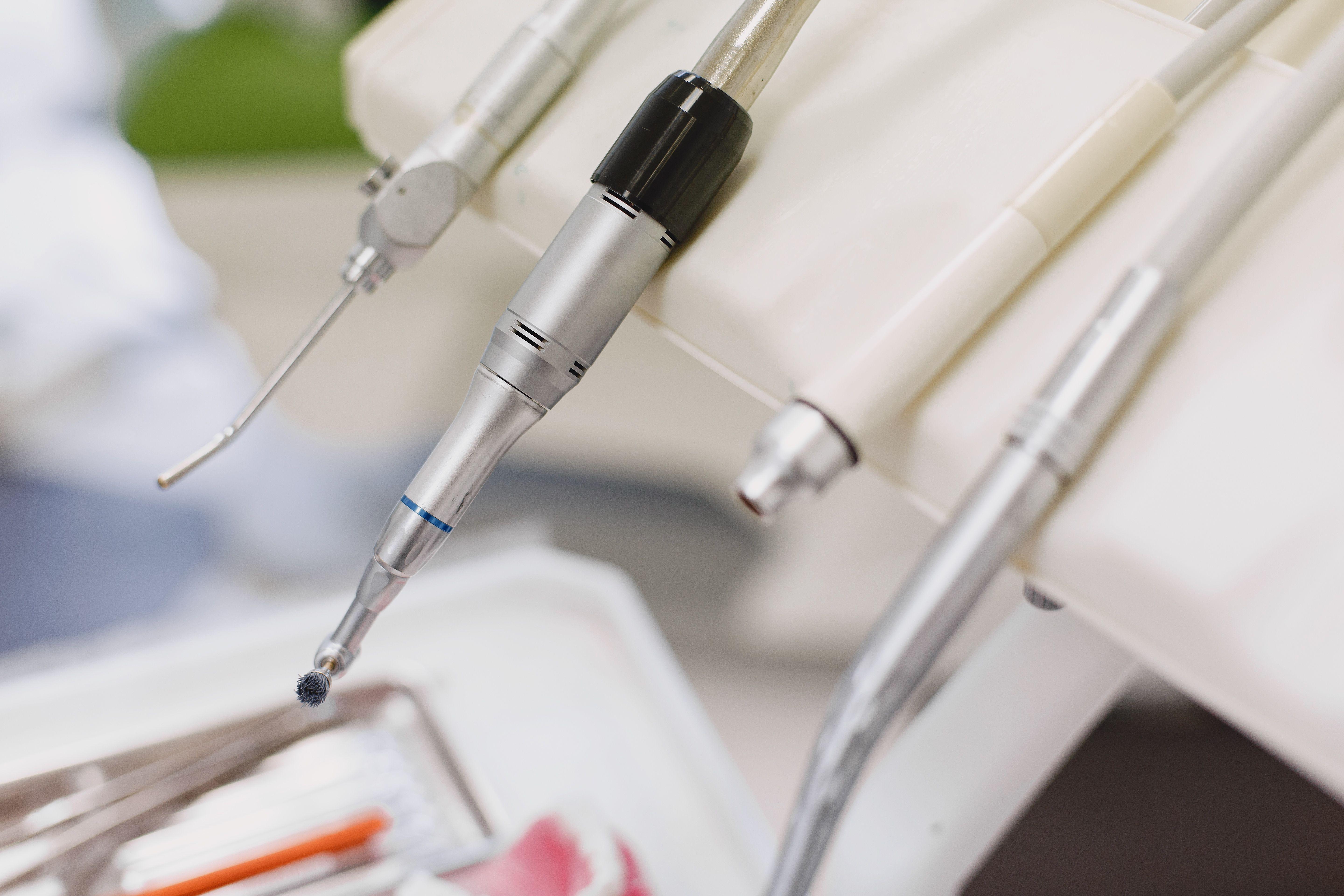
Precision is one of the most important factors in successful dental implant surgery. Every stage of the procedure, from diagnosis and treatment planning to implant placement and restoration, requires careful attention to detail. One essential aspect of this process is implant site preparation, where the quality of the bone preparation directly influences implant stability and long-term clinical outcomes. A Bone Profiling Drill is a specialized instrument designed to refine the bone surrounding the implant platform, ensuring that restorative components fit accurately and function effectively.
Unlike conventional implant drills that create the osteotomy, a Bone Profiling Drill is used to contour the bone around the implant after placement when additional clearance is required. By removing only the necessary amount of bone, it helps preserve healthy tissue while improving the fit of healing abutments and prosthetic components. As implant dentistry continues to evolve, Bone Profiling Drills have become an indispensable part of achieving predictable and aesthetically pleasing implant restorations.
What Is a Bone Profiling Drill?
A Bone Profiling Drill is a precision surgical instrument used during implant dentistry to reshape or contour the bone around a dental implant. Its primary purpose is to prepare the implant platform for restorative components by creating sufficient space without compromising the implant's stability.
After an implant is placed, there are situations where the surrounding bone may interfere with the seating of healing abutments, impression copings, or prosthetic restorations. A Bone Profiling Drill carefully removes excess bone to ensure these components fit properly while maintaining the integrity of the surrounding tissues.
Because of its specialized design, the drill provides clinicians with greater control and accuracy than general-purpose surgical instruments.
Why Precision During Implant Site Preparation Matters
The preparation of the implant site has a direct impact on the overall success of implant treatment. Accurate bone contouring helps create a stable restorative platform while preserving healthy bone and soft tissue.
If excess bone is left around the implant platform, restorative components may not seat completely, potentially affecting prosthetic fit and long-term performance. On the other hand, removing excessive bone can weaken support for surrounding tissues.
A Bone Profiling Drill allows clinicians to achieve the ideal balance by contouring only the required areas. This level of precision contributes to improved restorative accuracy, healthier peri-implant tissues, and more predictable clinical outcomes.
How a Bone Profiling Drill Improves Precision
One of the greatest advantages of a Bone Profiling Drill is its ability to provide controlled bone removal. The instrument is specifically engineered with cutting edges that allow clinicians to reshape bone gradually while maintaining excellent visibility and control throughout the procedure.
Its precision helps maintain the original implant position while creating adequate clearance for restorative components. This minimizes the need for additional adjustments during the restorative phase and reduces the likelihood of complications caused by improper component seating.
Accurate bone contouring also supports efficient clinical workflows by simplifying prosthetic procedures and reducing chairside treatment time.
Supporting Implant Stability
Although a Bone Profiling Drill modifies the surrounding bone, it is designed to preserve the implant's primary stability. Controlled contouring around the implant platform allows restorative components to fit correctly without disturbing the implant's secure position within the jawbone.
Maintaining implant stability during both the surgical and restorative phases is essential for successful osseointegration. A properly contoured implant site distributes functional forces more evenly, helping reduce unnecessary stress on implant components and surrounding bone.
This contributes to improved long-term performance and patient satisfaction.
Promoting Better Soft Tissue Healing
Healthy soft tissue is essential for protecting dental implants and creating natural-looking restorations. A Bone Profiling Drill helps establish an ideal environment for soft tissue adaptation by creating sufficient space around the implant platform.
Proper tissue adaptation encourages healthier gingival contours, improves access for oral hygiene, and supports the development of an attractive emergence profile. This is particularly important in aesthetically demanding cases where the appearance of the restoration is as important as its function.
By facilitating healthy soft tissue healing, Bone Profiling Drills contribute to both biological success and aesthetic excellence.
Clinical Applications of Bone Profiling Drills
Bone Profiling Drills are widely used across various implant procedures where precise bone contouring is required. They are commonly employed during single-tooth implant restorations, implant-supported bridges, full-arch rehabilitation, and immediate implant placement protocols.
In cases involving customized healing abutments or prosthetic components, Bone Profiling Drills provide the necessary clearance to ensure proper seating. They are also valuable in aesthetic implant treatments, where careful management of bone and soft tissue contributes to natural-looking restorative results.
Their versatility makes them an important instrument in both straightforward and complex implant cases.
Choosing a High-Quality Bone Profiling Drill
The performance of a Bone Profiling Drill depends largely on its manufacturing quality and material composition. High-quality drills are typically manufactured from medical-grade stainless steel using precision engineering processes that ensure consistent cutting performance and durability.
Well-manufactured drills maintain their sharpness throughout repeated sterilization cycles, allowing clinicians to perform procedures with confidence and accuracy. Selecting instruments that are compatible with the implant system being used also contributes to smoother surgical workflows and predictable restorative outcomes.
Investing in precision-engineered instruments supports better clinical performance and long-term reliability.
Universal Shapers and Precision Dental Instruments
Universal Shapers is a manufacturer of precision-engineered dental implant instruments and restorative components developed for modern implant dentistry. Its product portfolio includes Bone Profiling Drills, implant osteotomy drills, surgical accessories, and prosthetic solutions designed to meet the demands of dental professionals.
The company focuses on producing instruments that combine accuracy, durability, and compatibility with a variety of implant systems. By emphasizing quality manufacturing and precision engineering, Universal Shapers provides clinicians with reliable tools that support efficient implant site preparation and successful restorative procedures.
Proper Care and Maintenance
To maintain optimal performance, Bone Profiling Drills should be cleaned immediately after each surgical procedure and sterilized according to recommended clinical protocols. Regular inspection helps identify signs of wear or reduced cutting efficiency before they affect treatment quality.
Proper storage in protective instrument trays prevents accidental damage and helps preserve the sharp cutting surfaces. Routine maintenance extends the lifespan of the instruments and ensures consistent performance throughout multiple procedures.
Well-maintained instruments contribute to safer surgeries, improved efficiency, and predictable clinical outcomes.
Conclusion
A Bone Profiling Drill plays a vital role in improving precision during implant site preparation by accurately contouring the bone surrounding the implant platform. Its ability to create sufficient clearance for restorative components while preserving implant stability and healthy tissues makes it an essential instrument in modern implant dentistry.
Whether used in single-tooth restorations, implant-supported bridges, or full-arch rehabilitation, Bone Profiling Drills help clinicians achieve accurate restorative fit, improved soft tissue adaptation, and long-term implant success. When combined with careful treatment planning, advanced surgical techniques, and precision-engineered instruments from trusted manufacturers such as Universal Shapers, they contribute to predictable outcomes and high-quality patient care.

 English
 Arabic
 French
 Spanish
 Portuguese
 Deutsch
 Turkish
 Dutch
Dutch
 Italiano
 Russian
 Romaian
 Greek
Greek