


What Are the Best Japanese Skis for Deep Powder Snow?
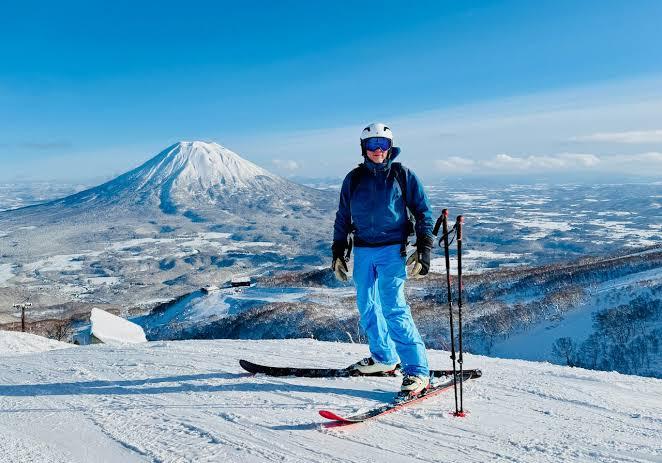
The best Japanese skis for deep powder snow are wide, highly rockered models specifically engineered to float on top of Japanese Skis famously deep, dry snow. Top local choices include the Vector Glide Butter Knife, Field Earth Design 3D skis, and Ogasaka's powder lineup.
These skis generally feature a waist width well over 115mm and unique tail shapes. This specific design allows you to surf effortlessly over waist-deep snow rather than sinking and burning out your legs.
What Are Japanese Powder Skis?
What are Japanese Powder Skis?
Japanese powder skis are specialized, wide-profile skis (typically 110mm to 130mm underfoot) engineered with significant tip rocker and tapered shapes. They are purposefully built to surf and float on top of Japan's exceptionally deep, light, and dry winter snow.
Why Are Specialized Japanese Skis Important for Deep Powder?
Japan's snow is incredibly unique. Thanks to cold winds blowing across the Sea of Japan from Siberia, places like Hokkaido receive massive quantities of snow with very low moisture content.
Standard all-mountain skis will simply dive straight down into this light, bottomless snow. If you use regular skis, you will quickly exhaust your legs trying to lean back and keep your tips above the surface.
Skis designed in Japan—or explicitly for its conditions—use distinct shaping to solve this. They naturally drop the tail and lift the tip, allowing you to ride with a centered, relaxed stance.
How Do Powder Skis Work in "Japow"?
To understand why these skis feel like magic in deep snow, you have to look at their construction.
- Massive Surface Area: A wider waist displaces more snow beneath your boots, keeping your body suspended on top of the snowpack.
- Aggressive Rocker Profile: Upward curving tips act exactly like a boat hull. They plow over deep snow drifts instead of catching or diving under them.
- Unique Tail Design: Swallowtails (a cut-out V-shape at the back) or pintails intentionally sink into the soft snow, automatically raising the front of the ski without any effort on your part.
- Soft, Forgiving Flex: Softer tips absorb hidden variations in the snowpack, providing a smooth, fluid, and surf-like ride through the trees.
What Are the Top Japanese Ski Brands for Powder?
If you are looking to buy or rent a boutique Japanese brand for your trip, here is how the top contenders stack up.
|
Brand |
Notable Powder Model |
Best Feature |
Ideal For |
|
Vector Glide |
Butter Knife |
Unmatched stability and float |
Big mountain powder bowls |
|
Field Earth Design |
X3 3D |
3D convex base technology |
Quick tree skiing and a surfy feel |
|
BLASTRACK |
Silva |
Ultra-lightweight core |
Backcountry touring and deep snow |
|
Ogasaka |
Facet |
Precision Japanese craftsmanship |
All-around deep snow performance |
What Are the Benefits of Using Japan-Specific Skis?
Upgrading your gear specifically for Japan's conditions offers massive advantages on the mountain.
- Less Leg Fatigue: You no longer have to lean back to keep your tips up, saving your quads from burning out by lunchtime.
- Better Maneuverability: Rockered profiles allow for incredibly quick pivots, which is essential for dodging tight birch trees.
- Higher Speeds: Floating on top means less drag. You can carry your momentum easily across flat run-outs.
- Enhanced Surfy Feel: The unique swallowtail shapes mimic the feeling of surfing on a wave, letting you slash and drift turns.
What Are Common Mistakes People Make When Skiing Japow?
The biggest mistake is bringing narrow, East Coast carving skis. Anything under 105mm underfoot is usually too narrow for mid-winter Hokkaido and will make your trip unnecessarily difficult.
Another frequent mistake is leaning too far back. While you have to lean back on narrow skis to survive, wide powder skis are designed to be ridden with a neutral, centered stance.
Finally, don't over-tighten your boots. You want a bit of ankle flex to create a fluid, bouncing motion in the deep snow.
How Can Beginners Get Started in Deep Powder?
If it is your first time in waist-deep snow, start on moderately pitched slopes. Speed is your best friend in powder; if you go too slow, you will sink and get stuck.
Keep your skis slightly closer together than you would on a groomed run. This creates one wide, unified platform to help you float.
Most importantly, rent before you buy. Try out a local Japanese brand at a rental shop in Niseko or Hakuba to feel the difference before committing to a purchase.
Expert Tips for Better Results
Always wax your skis with cold-temperature specific wax before hitting the mountain. Hokkaido snow is exceptionally cold, and using a warm-weather or universal wax will cause the snow to stick to your bases, stopping you dead in your tracks.
Additionally, always carry avalanche safety gear (beacon, shovel, and probe) and know how to use it—even if you are just skiing the sidecountry trees just off the chairlift.
Real-World Example: Riding Field Earth in Niseko
Many international skiers struggle during their first few days in Niseko's deep tree runs. They often catch their edges and tumble into the snow when riding standard 95mm all-mountain skis.
However, when these same skiers swap their gear for a 120mm ski like the Field Earth X3, the experience changes instantly. The convex 3D base on the Field Earth acts like the hull of a surfboard. It allows for seamless, catch-free edge transitions, transforming a frustrating struggle into an effortless glide through the forest.
Frequently Asked Questions (FAQ)
What is the ideal waist width for Japanese powder skis?
For the incredibly deep snow in Japan, an ideal waist width is between 110mm and 125mm. This extreme width provides the necessary surface area to float over bottomless snow without exhausting your legs.
Are swallowtail skis better for powder?
Yes, swallowtail skis are excellent for powder. The cut-out tail allows the back of the ski to drop into the soft snow. This naturally lifts the tip up, reducing leg burn and improving your floatation.
Can I use Japanese powder skis on groomed runs?
While you can ski them on groomed runs to get back to the lift, they perform poorly on hardpack. The wide waist makes edge-to-edge transitions sluggish, and the rockered tips often chatter at high speeds.
Do I need a longer ski for deep powder?
Yes, sizing up 5 to 10 centimeters from your normal ski length is highly recommended. The extra length provides more surface area for floatation, while the aggressive rocker makes them feel much shorter when actually turning.
Where is the best powder skiing in Japan?
Hokkaido is world-famous for its dry, abundant powder, specifically at resorts like Niseko, Rusutsu, and Furano. On the main island of Honshu, Hakuba and Nozawa Onsen also receive massive, consistent snowfalls ideal for powder skiing.
Conclusion
Choosing the right Japanese skis for deep powder snow will completely transform your mountain experience. By upgrading to wide, rockered models from specialized brands like Vector Glide or Field Earth, you save critical energy and unlock a truly effortless, surfy feel. Don't let bottomless snow hold you back with the wrong equipment. Rent a pair of powder planks on your next Hokkaido trip, lean into the turn, and experience the magic of Japow for yourself.

 Arabic
 French
 Spanish
 Portuguese
 Deutsch
 Turkish
 Dutch
Dutch
 Italiano
 Russian
 Romaian
 Portuguese (Brazil)
 Greek
Greek