


Service of Process Requirements Explained: How Proper Legal Notice Protects Your Case
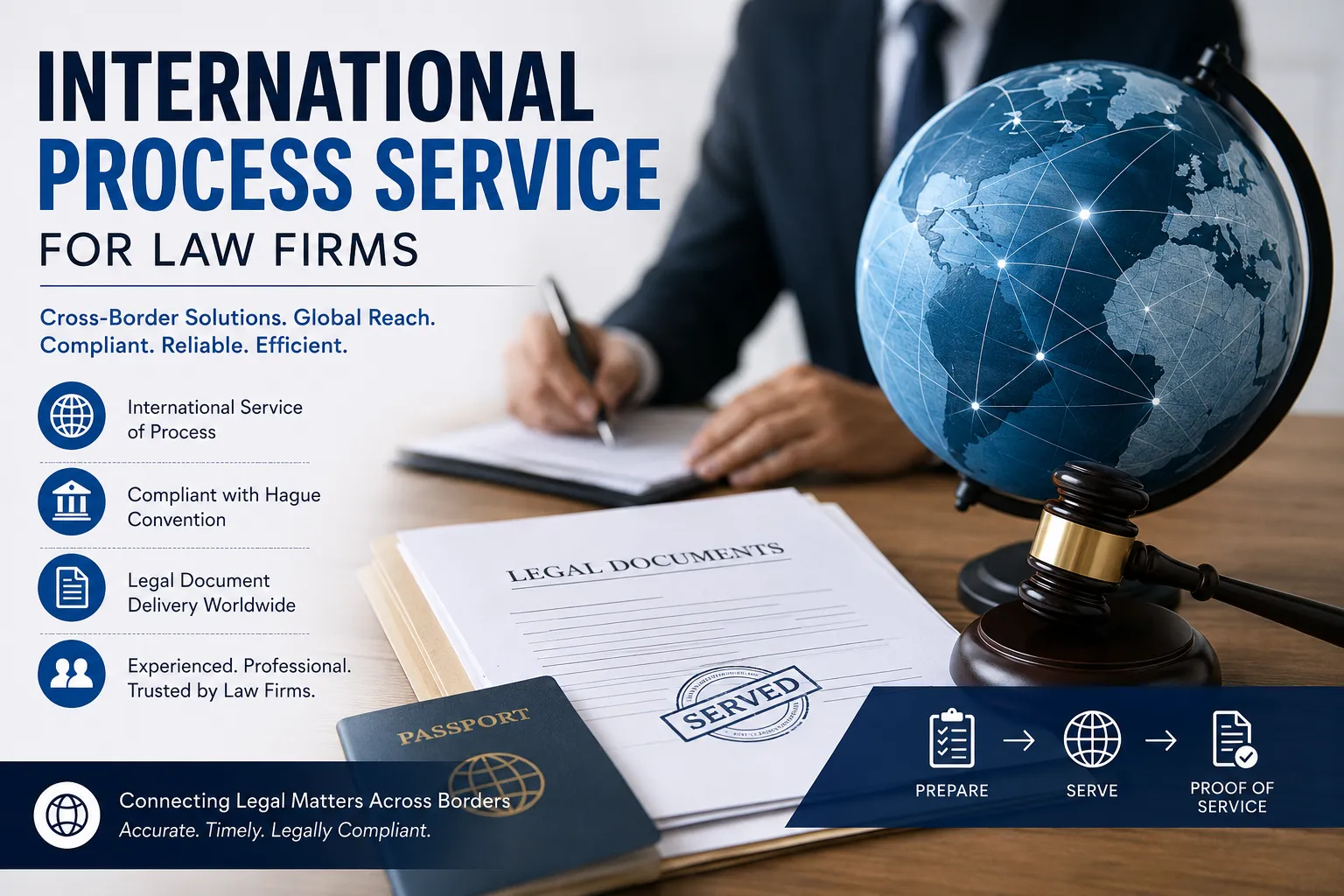
Every civil lawsuit begins with an important legal principle: every party has the right to receive notice before the court can make decisions affecting their rights. That notice is delivered through service of process, a legal procedure that ensures defendants are informed about claims filed against them and have an opportunity to respond.
Although the concept sounds straightforward, improper service is one of the most common reasons legal proceedings are delayed. Missing deadlines, serving the wrong person, or failing to provide proper documentation can create costly setbacks for attorneys, businesses, landlords, and individuals.
Understanding what is service of process, the legal requirements involved, and why proof of service is essential can help prevent unnecessary complications while keeping your case on track.
This guide explains the purpose of service of process, common legal requirements, documentation standards, and practical tips for avoiding mistakes.
What Is Service of Process?
Service of process is the formal delivery of legal documents to a defendant or other party involved in a legal proceeding.
The purpose is to provide official notice that legal action has been filed and to give the recipient sufficient time to respond before the court proceeds.
Without valid service, courts may lack jurisdiction over the defendant, preventing the case from moving forward.
Documents commonly served include:
- Summons
- Civil Complaints
- Subpoenas
- Divorce Petitions
- Child Custody Documents
- Eviction Notices
- Small Claims Papers
- Court Orders
- Probate Notices
- Business Litigation Documents
Each document must be served according to applicable state laws and court rules.
Why Service of Process Is So Important
Service of process protects the constitutional principle of due process by ensuring that individuals receive fair notice before legal decisions are made.
Proper service helps:
- Protect legal rights
- Prevent default judgments caused by lack of notice
- Establish court jurisdiction
- Keep litigation moving efficiently
- Reduce procedural disputes
- Ensure compliance with court requirements
When service is completed correctly, every party has an opportunity to participate in the legal process.
Understanding Service of Process Requirements
Although requirements vary by jurisdiction, courts generally expect several basic standards to be met.
Service Must Follow State Law
Each state establishes its own rules regarding who may serve documents, acceptable service methods, and required timelines.
The Correct Individual Must Be Served
Documents generally must be delivered to the appropriate defendant or legally authorized recipient.
Serving the wrong individual may invalidate service.
Service Must Be Timely
Many legal proceedings have strict deadlines for completing service after filing the lawsuit.
Delays may require additional court approval or even dismissal of the action.
Proper Documentation Must Be Filed
After successful delivery, documentation confirming service must usually be submitted to the court.
This documentation is known as proof of service.
What Is Proof of Service?
Proof of service is the official record demonstrating that legal documents were delivered according to applicable legal requirements.
It serves as evidence that the defendant received—or was legally deemed to have received—notice of the legal proceeding.
Depending on the jurisdiction, proof of service may also be called:
- Affidavit of Service
- Return of Service
- Declaration of Service
- Certificate of Service
Courts rely on these records before allowing litigation to continue.
What Information Is Included in Proof of Service?
Although formats vary by state, proof of service generally includes:
- Name of the person served
- Date of service
- Time of service
- Service location
- Method of service
- Description of documents served
- Name of the process server
- Signature of the individual completing service
Accurate documentation helps reduce disputes regarding whether proper notice was given.
Common Methods of Service
Courts recognize several approved methods depending on state law and the circumstances of the case.
Personal Service
A professional process server personally delivers legal documents to the defendant.
This remains the preferred method because it provides the strongest evidence of notice.
Substitute Service
If personal delivery cannot be completed, some states allow documents to be left with another qualified adult at the residence or workplace under specific legal conditions.
Service by Mail
Certain legal matters permit service through certified or registered mail where authorized.
Service by Publication
When a defendant cannot be located despite reasonable efforts, courts may authorize publication in an approved newspaper.
Each method has unique procedural requirements that must be followed carefully.
Common Challenges During Service
Several issues frequently delay legal proceedings.
Defendant Cannot Be Located
Individuals often relocate without updating their address.
Professional process servers may use skip tracing and public records research to locate current information.
Defendant Avoids Service
Some defendants intentionally evade legal notice.
Experienced process servers understand lawful methods for documenting multiple service attempts.
Incorrect Address Information
Outdated addresses often result in unsuccessful service attempts.
Verifying addresses before initiating service improves efficiency.
State-Specific Rules
Service requirements differ across jurisdictions, making local knowledge extremely valuable.
Why Professional Process Servers Make a Difference
Professional process servers understand legal procedures and documentation requirements.
Their responsibilities often include:
- Personal service
- Skip tracing
- Address verification
- Stakeout services
- Court filing support
- Affidavit preparation
- Detailed service documentation
- Real-time assignment updates
Their experience helps reduce procedural errors that could affect a case.
Best Practices for Successful Service of Process
To improve the likelihood of successful service:
- Verify the defendant's address before submitting documents.
- Begin service promptly after filing.
- Provide photographs when available.
- Share employer information if legally appropriate.
- Inform the process server about previous service attempts.
- Maintain copies of all court documents.
- Work with experienced professionals familiar with local rules.
Early preparation often prevents costly delays.
Frequently Asked Questions
Can anyone serve legal documents?
Not always. State laws determine who may legally complete service of process.
What happens if service is completed incorrectly?
Improper service may delay litigation, require additional service attempts, or result in court challenges.
Why is proof of service required?
Proof of service demonstrates that legal notice was provided according to court rules and allows the case to proceed.
Is service of process required in every lawsuit?
Yes. Most civil cases require proper service before the court can exercise authority over the defendant.
Final Thoughts
Understanding service of process requirements is essential for anyone involved in civil litigation. Proper legal notice protects due process, allows defendants to respond, and ensures courts can proceed fairly and efficiently.
Equally important is proof of service, which documents every essential detail of the delivery process and provides the court with evidence that legal requirements have been satisfied.

 Arabic
 French
 Spanish
 Portuguese
 Deutsch
 Turkish
 Dutch
Dutch
 Italiano
 Russian
 Romaian
 Portuguese (Brazil)
 Greek
Greek