


How to Create an Efficient Hand Tool Management System
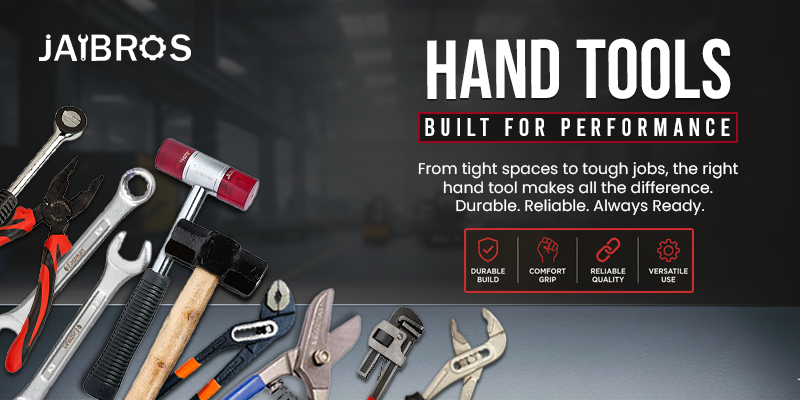
Having an organized working area is important in enhancing productivity, eliminating idle time and ensuring workplace safety. Regardless of whether one manages a manufacturing plant, a construction site, a repair shop or even a garage at home, having all the hand tools organized will make working easier. Time is saved since people do not have to look around for the tools to complete their jobs. In addition, there will be a lower likelihood of losing or damaging the equipment thus helping the business save time and money.
Efficient equipment management does not only involve storing the equipment in shelves but also organization, inventory, maintenance, accountability and purchase planning. Incorporating these factors in the day-to-day activities results into good workflow and minimal disruptions besides extending the lifespan of the equipment. This kind of management can be created through consistency and not costly infrastructures.
Why an Organized Management System Matters
In any business organization, availability of tools when needed is a necessity. In the absence of a good management system, employees spend a lot of time searching for missing tools, double buying becomes common practice, and even broken tools might go unnoticed until something happens due to their malfunction. In this way, everything has its place, which makes the process of finding tools easy and fast. Moreover, it promotes responsibility as employees know where tools should be put after performing every activity.
Key Points
-
Reduces time spent searching for equipment.
-
Improves workplace productivity.
-
Prevents unnecessary purchases.
-
Creates employee accountability.
-
Improves workplace safety.
-
Extends equipment life.
Organize Equipment by Category
One of the simplest ways to improve efficiency is by arranging equipment according to its function. Similar items should always be stored together so employees can quickly locate what they need. Cutting equipment, measuring instruments, fastening devices, and repair accessories should each have their own dedicated storage area. Frequently used items should remain within easy reach, while less frequently used equipment can be stored separately. Clearly labeled cabinets, drawers, and shadow boards help maintain consistency across the workplace. When every employee follows the same storage pattern, operations become faster and more organized.
Key Points
-
Group similar equipment together.
-
Label all storage locations.
-
Keep frequently used items accessible.
-
Separate specialized equipment.
-
Return items after every use.
-
Maintain consistent organization.
Choose Practical Storage Solutions
The right storage method protects equipment from damage while making daily work more efficient. Different workplaces require different storage systems depending on available space and operational needs. Wall-mounted shadow boards make commonly used equipment easy to identify, while drawer cabinets protect smaller items from dust and moisture. Mobile carts are useful in larger facilities where equipment needs to move between departments. For technicians working outside the workshop, carrying a hand tool kit ensures essential equipment remains organized and ready for use. Good storage practices also make missing items immediately noticeable, reducing unnecessary losses.
Key Points
-
Use shadow boards for visibility.
-
Install labeled cabinets.
-
Store valuable equipment securely.
-
Use mobile storage where needed.
-
Maintain a portable hand tool kit for field work.
-
Keep storage areas clean.
Maintain an Inventory and Inspection Schedule
An inventory system helps businesses monitor equipment from purchase to replacement. Whether maintained digitally or on paper, inventory records should include identification numbers, purchase dates, storage locations, maintenance history, and current condition. Routine inspections ensure damaged equipment is repaired or replaced before it affects productivity or worker safety. Regular cleaning, lubrication, rust removal, and tightening loose components significantly extend equipment life. Maintaining accurate records also makes budgeting easier because managers can identify replacement requirements well in advance instead of making emergency purchases.
Key Points
-
Maintain inventory records.
-
Track storage locations.
-
Schedule routine inspections.
-
Clean equipment regularly.
-
Repair minor damage early.
-
Update maintenance history.
Plan Purchases Carefully
Buying equipment without proper planning often increases operational costs. Instead of replacing items unnecessarily, businesses should evaluate performance, maintenance history, and expected service life before making purchasing decisions. Comparing product quality, warranty, and hand tool price allows organizations to select durable options that offer better long-term value. Reviewing inventory records before purchasing also prevents duplicate orders and ensures money is spent only on equipment that is genuinely required. Careful planning supports better budgeting and helps maintain a reliable workshop without overspending.
Key Points
-
Review inventory before purchasing.
-
Compare warranty options.
-
Evaluate long-term durability.
-
Compare hand tool price carefully.
-
Avoid duplicate purchases.
-
Purchase according to operational needs.
Use Technology to Improve Efficiency
With technological advancement today, equipment management has become more efficient compared to using manual processes in the past. Barcode tagging, QR codes, inventory digital software, and cloud-based asset management software can offer real-time data concerning equipment availability and condition. The process is automated through maintenance alerts to ensure that all equipment inspection occurs within the designated period, with digital analysis making it easy to conduct an assessment of equipment usage. Small companies can still benefit from the use of inventory software at a low cost.
Key Points
-
Use barcode or QR tracking.
-
Maintain digital inventory.
-
Schedule automated maintenance reminders.
-
Generate inspection reports.
-
Reduce paperwork.
-
Improve tracking accuracy.
Conclusion
Efficient hand tool management does not necessarily involve the acquisition of costly storage systems, but involves the creation of standardized methods of organization. Categorization, proper storage, inventory, maintenance, training employees, and planning purchases will help create a safer and more efficient environment. Businesses that adopt such practices find themselves operating in a manner free from delays and higher costs related to purchasing replacement items. Companies such as Jaibros can be helpful when it comes to providing the best hand tools for professional use. In any case, whether dealing with a small workshop or a large factory, it is important to ensure that every hand tool is properly maintained and stored.
FAQs
1. Why is a tool management system important?
It improves organization, increases productivity, reduces losses, and enhances workplace safety.
2. How often should equipment be inspected?
Visual inspections should be done after use, while detailed inspections should follow a regular maintenance schedule.
3. What is the best way to store workshop equipment?
Labeled cabinets, shadow boards, drawer systems, and mobile storage carts are highly effective.
4. How can businesses reduce replacement costs?
Regular maintenance, proper storage, and timely inspections help extend equipment life and reduce unnecessary purchases.
5. Can small workshops benefit from a management system?
Yes. Even simple inventory records and organized storage significantly improve efficiency and accountability.

 Arabic
 French
 Spanish
 Portuguese
 Deutsch
 Turkish
 Dutch
Dutch
 Italiano
 Russian
 Romaian
 Portuguese (Brazil)
 Greek
Greek