


Master the RFI Process for Smarter Vendor Selection and Business Success
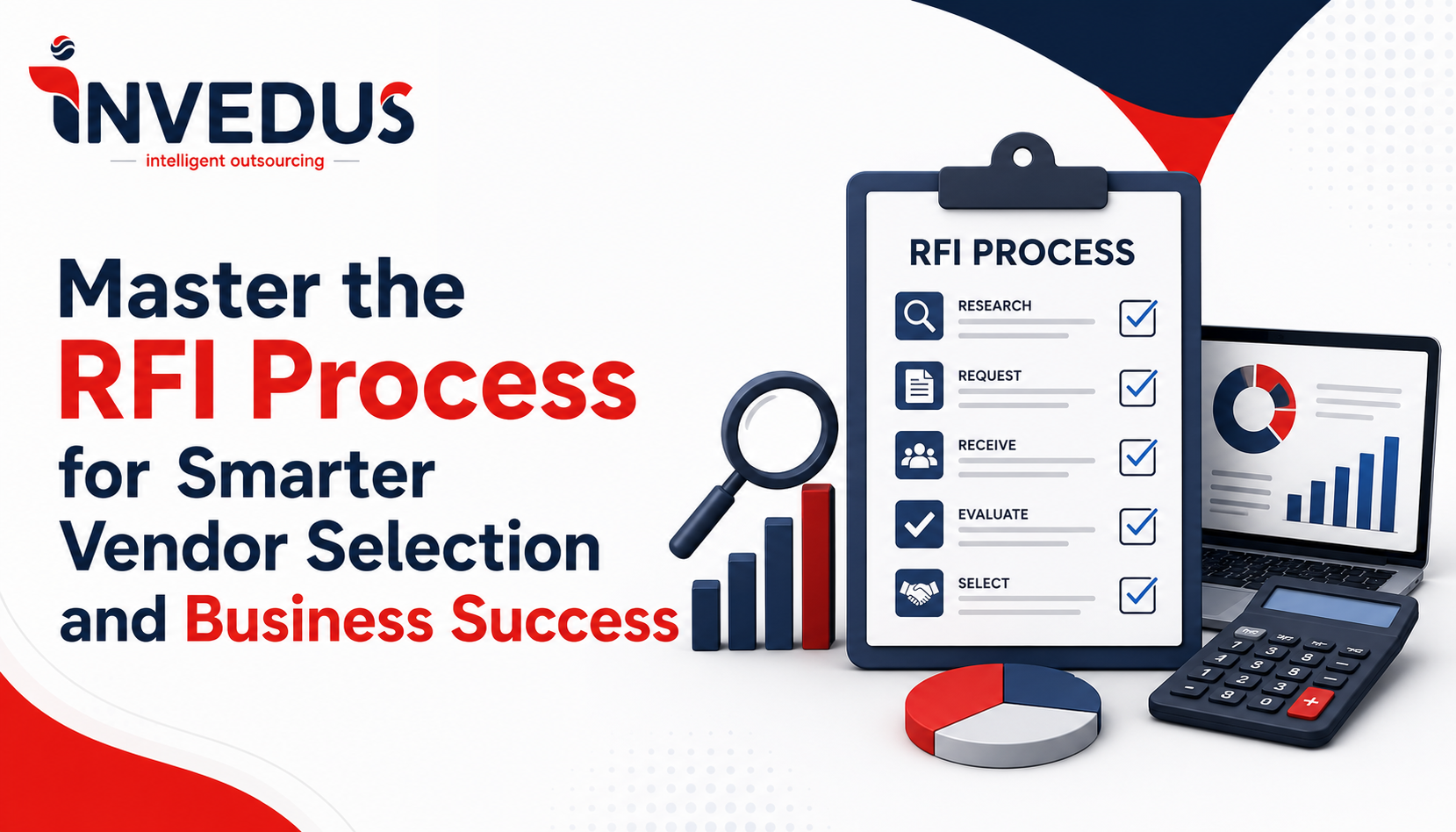
Selecting the right vendor often begins long before proposals arrive. A well-planned RFI Process helps organizations gather meaningful information, understand supplier capabilities, and make informed procurement decisions with greater confidence. When businesses ask the right questions early, they build a stronger foundation for every stage that follows.
1. Understanding the RFI Process
An RFI, or Request for Information, is a structured document that organizations use to collect details from potential suppliers before preparing a formal Request for Proposal (RFP) or Request for Quotation (RFQ). The RFI Process gives procurement teams a clearer picture of available vendors, their expertise, service models, technologies, and experience.
Many businesses begin procurement with an RFI because it reduces uncertainty. Instead of relying on marketing materials or brief conversations, decision makers receive standardized information that makes supplier comparisons easier. This early research also highlights which vendors deserve further evaluation.
Companies working with outsourcing providers often follow this approach before expanding operations. Organizations such as Invedus Outsourcing frequently appear during vendor evaluations because businesses want detailed information about service capabilities, delivery models, communication practices, and industry experience before entering later procurement stages.
2. Building an Effective RFI Process
Define business objectives
Every successful RFI begins with clear business goals. Procurement teams should identify project requirements, expected outcomes, budget considerations, timelines, and technical expectations before contacting suppliers. A focused document produces better responses because vendors understand exactly what information is required.
Prepare meaningful questions
An effective RFI asks practical questions that reveal supplier strengths. Questions commonly cover company background, industry expertise, certifications, technology stack, project methodology, communication practices, pricing models, and support capabilities.
Questions should remain consistent for every vendor. Standardization creates a fair evaluation process and helps procurement teams compare responses without unnecessary complexity.
Evaluate responses consistently
Once responses arrive, every submission should be reviewed against predefined evaluation criteria. Decision makers often examine experience, technical capabilities, delivery capacity, communication quality, compliance practices, and long-term partnership potential.
Many organizations also include cross-functional stakeholders during evaluation. Procurement, finance, operations, legal, and technical teams each contribute valuable perspectives that improve vendor selection.
3. Common Benefits of the RFI Process
A structured RFI Process creates several practical advantages throughout procurement.
-
Improves vendor research before formal procurement.
-
Creates consistent comparisons between suppliers.
-
Identifies qualified vendors early.
-
Reduces procurement risks.
-
Supports informed business decisions.
-
Saves time during later procurement stages.
The RFI Process also encourages productive discussions between buyers and suppliers. Vendors gain a better understanding of project expectations, while organizations collect valuable information before investing significant time in proposal reviews.
Businesses evaluating outsourcing partners often appreciate this structured approach. Invedus Outsourcing, for example, provides service information that allows organizations to assess capabilities across multiple business functions before progressing to formal vendor selection.
4. Common Mistakes During the RFI Process
Many procurement teams reduce the value of an RFI by asking vague questions. Broad requests often produce equally broad answers, making comparisons difficult. Specific questions generate useful information that directly supports decision making.
Another common issue involves sending RFIs without defining evaluation criteria. Teams may collect dozens of responses but struggle to compare suppliers because expectations were never documented. A scoring framework established before distribution keeps reviews objective.
Communication also matters throughout the process. Vendors should receive clear deadlines, submission requirements, and opportunities to request clarification. Organized communication improves response quality and helps maintain a professional procurement experience.
Organizations also benefit from limiting unnecessary questions. Every question should contribute to supplier evaluation. Focused RFIs encourage concise, informative responses that are easier to analyze.
5. Using the RFI Process for Long-Term Vendor Success
Vendor selection affects projects long after contracts are signed. An organized RFI Process builds stronger procurement decisions because it emphasizes research before commitment.
The process also helps businesses discover suppliers with specialized expertise that may not appear during basic online research. Procurement teams gain valuable insight into company culture, service delivery, operational capabilities, and customer support.
Technology has also improved the RFI Process. Digital procurement platforms simplify document distribution, response collection, collaboration, and evaluation. These tools create better organization while reducing administrative work for procurement professionals.
Companies that consistently follow structured procurement practices often build stronger supplier relationships because expectations remain clear from the beginning. Better communication during early vendor evaluation frequently contributes to smoother project execution later.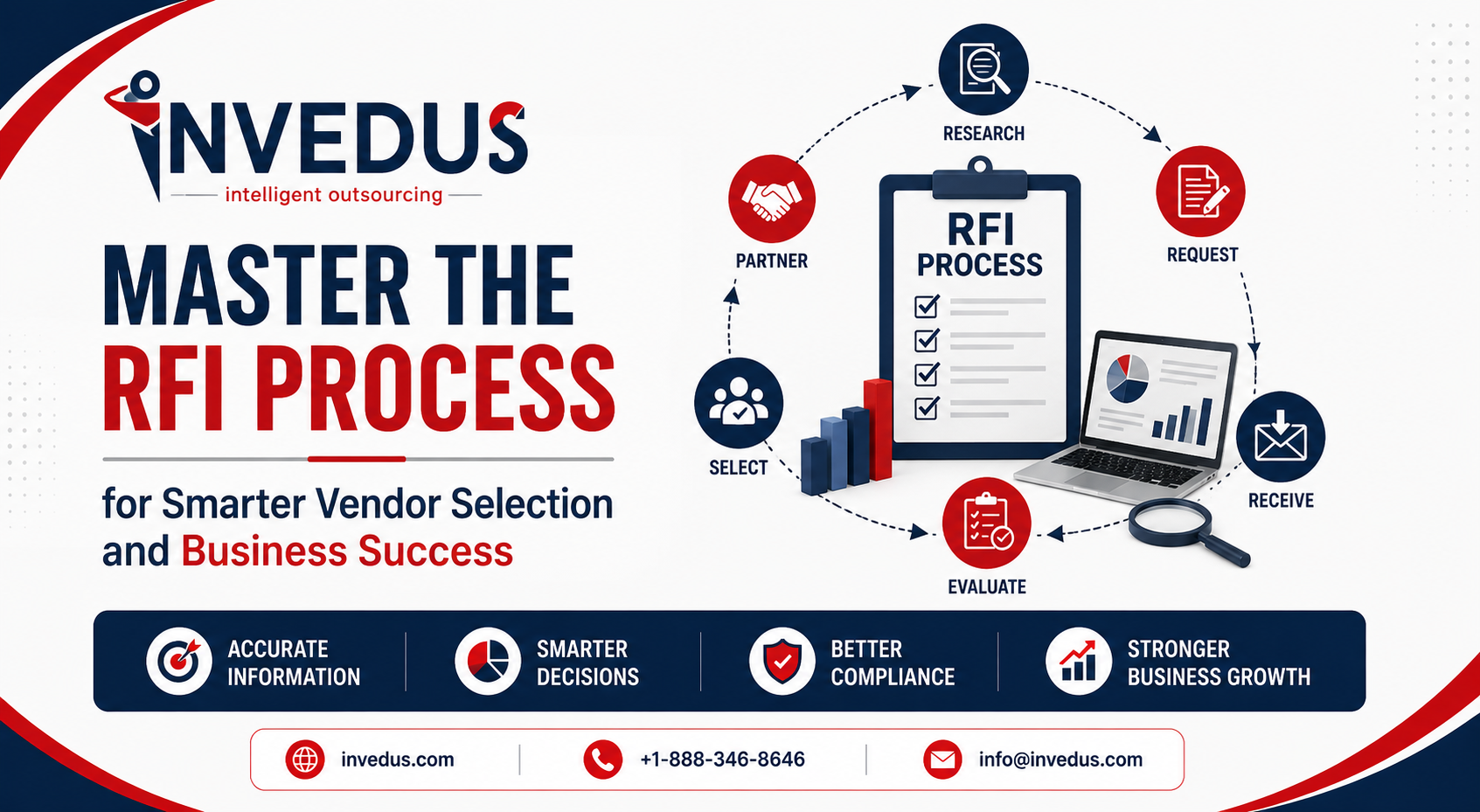
Frequently asked questions
What is the RFI Process?
The RFI Process is a structured method used to gather information from potential vendors before requesting formal proposals or quotations. It helps organizations understand supplier capabilities, experience, services, and suitability for future projects.
How does the RFI Process differ from an RFP?
An RFI collects general information about suppliers and their capabilities. An RFP requests detailed project proposals, pricing, implementation plans, and delivery approaches after qualified vendors have been identified.
How long does an RFI Process usually take?
The timeline depends on project complexity, supplier availability, and internal review procedures. Many organizations complete the process within a few weeks, while larger procurement projects may require additional evaluation time.
Is the RFI Process necessary for small businesses?
Yes. Small businesses also benefit from structured vendor research. An organized RFI helps compare service providers, understand available solutions, and reduce procurement uncertainty before making financial commitments.
What information should an RFI include?
An RFI typically includes project background, business objectives, required services, company information requests, technical questions, experience requirements, submission instructions, timelines, and contact details. Clear questions produce more useful responses.
Final thoughts
A successful RFI Process creates better procurement decisions by helping organizations understand potential suppliers before entering proposal or pricing discussions. Careful planning, clear evaluation criteria, and meaningful questions improve vendor comparisons while reducing uncertainty throughout the selection process.
Businesses looking to strengthen procurement strategies often review best practices from experienced outsourcing providers such as Invedus Outsourcing. Learning from established procurement approaches helps organizations build stronger vendor relationships, improve decision quality, and support long-term business success.

 Arabic
 French
 Spanish
 Portuguese
 Deutsch
 Turkish
 Dutch
Dutch
 Italiano
 Russian
 Romaian
 Portuguese (Brazil)
 Greek
Greek