


Why Hidden Material Defects Can Lead to Major Equipment Failures
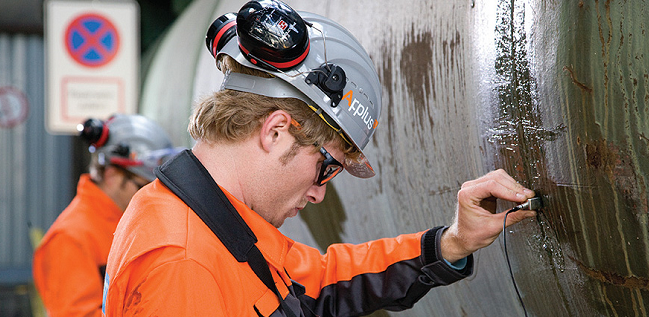
Modern equipment is designed to perform under demanding conditions, but even the strongest materials can develop hidden flaws over time. Small cracks, internal voids, corrosion, or manufacturing defects often remain invisible until they cause serious damage. This is why NDT Testing Services play a critical role in identifying hidden material defects before they lead to costly equipment failures. Regular inspections help industries maintain safety, improve performance, and extend the lifespan of valuable assets.
Understanding Hidden Material Defects
Hidden material defects are imperfections that cannot be detected through a simple visual inspection. These flaws may develop during manufacturing, transportation, installation, or regular operation. Since they often exist beneath the surface, they can continue growing unnoticed until they weaken the structure of the equipment.
Common hidden defects include:
- Internal cracks
- Porosity
- Voids and cavities
- Corrosion beneath coatings
- Lack of fusion in welds
- Material inclusions
- Fatigue damage
Even minor defects can gradually become significant when equipment is exposed to pressure, vibration, heat, or heavy loads.
Why Hidden Defects Are Dangerous
Many equipment failures begin with a tiny flaw that appears harmless. Over time, repeated stress causes these imperfections to grow larger. Once a crack reaches a critical size, the material may suddenly fail without warning.
Hidden defects are especially dangerous because they:
- Cannot be seen during routine inspections
- Often spread without noticeable symptoms
- Reduce structural strength
- Increase the risk of unexpected breakdowns
- Create serious workplace safety hazards
Detecting these problems early is far less expensive than repairing or replacing damaged equipment after failure.
Common Causes of Material Defects
Material defects can originate from several stages of an equipment's life cycle.
Manufacturing Errors
Defects may occur during casting, forging, welding, machining, or heat treatment. Improper manufacturing processes can leave internal weaknesses that remain undetected for years.
Operational Stress
Continuous loading, vibration, pressure changes, and temperature fluctuations place stress on materials. Over time, this can cause fatigue cracks or structural damage.
Corrosion
Moisture, chemicals, and harsh environments gradually weaken metals. Internal corrosion is particularly dangerous because it often remains hidden beneath protective coatings or insulation.
Improper Maintenance
Delayed inspections and poor maintenance practices allow small defects to develop into major structural problems.
Industries Most Affected by Material Defects
Hidden material defects can impact nearly every industry that relies on mechanical equipment.
Oil and Gas
Pipelines, storage tanks, pressure vessels, and drilling equipment operate under extreme conditions. Undetected flaws may result in leaks, explosions, or environmental damage.
Power Generation
Power plants depend on boilers, turbines, generators, and heat exchangers. Material failures can interrupt electricity production and create expensive downtime.
Aerospace
Aircraft components must meet extremely high safety standards. Even microscopic cracks can compromise flight safety if left undetected.
Manufacturing
Industrial machinery operates continuously under heavy loads. Hidden defects may reduce production efficiency and increase repair costs.
Construction
Steel structures, bridges, and heavy equipment require regular inspections to ensure structural integrity throughout their service life.
How Hidden Defects Lead to Equipment Failure
Equipment failures rarely happen suddenly. Most failures develop through a series of progressive stages.
Initial Defect Formation
A small flaw forms during manufacturing or operation.
Crack Growth
Repeated stress causes the defect to expand slowly over time.
Loss of Structural Strength
As the crack grows, the material becomes weaker and less capable of handling normal operating loads.
Equipment Breakdown
Eventually, the damaged component can no longer support the applied stress, resulting in sudden failure.
This gradual progression highlights the importance of identifying defects before they become critical.
The Importance of Early Detection
Early detection provides significant advantages for equipment owners and operators.
Improved Safety
Identifying defects before failure reduces the risk of workplace injuries and accidents.
Lower Repair Costs
Minor repairs are much less expensive than replacing damaged machinery or dealing with catastrophic failures.
Reduced Downtime
Unexpected equipment breakdowns interrupt production schedules. Early detection allows maintenance to be planned instead of performed during emergencies.
Extended Equipment Life
Repairing small defects before they worsen helps maximize the service life of valuable equipment.
Regulatory Compliance
Many industries require routine inspections to comply with safety standards and industry regulations.
Technologies Used to Detect Hidden Defects
Modern inspection methods allow technicians to examine internal structures without damaging the equipment.
Ultrasonic Testing
High-frequency sound waves identify internal cracks, voids, and thickness variations.
Radiographic Testing
X-rays or gamma rays reveal hidden internal defects inside metals and welded components.
Magnetic Particle Testing
This technique detects surface and near-surface cracks in ferromagnetic materials.
Liquid Penetrant Testing
Colored or fluorescent dye penetrates surface-breaking defects, making them visible during inspection.
Eddy Current Testing
Electromagnetic fields help locate cracks, corrosion, and material inconsistencies in conductive materials.
Each inspection method is selected based on the material type, component design, and expected defect.
Warning Signs That Should Never Be Ignored
Although hidden defects may not always produce visible symptoms, certain warning signs indicate that equipment should be inspected.
These include:
- Unusual vibration
- Strange operating noises
- Reduced performance
- Fluid leaks
- Increased operating temperatures
- Unexpected shutdowns
- Visible corrosion
- Frequent maintenance issues
Prompt investigation of these warning signs can prevent larger failures.
Building an Effective Inspection Program
Preventing major equipment failures requires more than occasional inspections. Organizations should establish a structured inspection program that includes regular evaluations based on equipment age, operating conditions, and manufacturer recommendations.
An effective program typically includes:
- Scheduled preventive inspections
- Detailed inspection records
- Risk-based maintenance planning
- Timely repairs
- Qualified inspection personnel
- Continuous monitoring of critical equipment
Consistent inspections improve equipment reliability while reducing long-term maintenance costs.
Conclusion
Hidden material defects may seem insignificant at first, but they often become the root cause of major equipment failures. Internal cracks, corrosion, manufacturing flaws, and fatigue damage can grow silently until they create serious safety hazards and expensive operational disruptions. By investing in routine inspections, preventive maintenance, and advanced testing methods, organizations can identify problems early, protect their assets, and maintain reliable operations. Detecting hidden defects before they reach critical levels is one of the most effective ways to improve equipment safety, extend service life, and avoid unexpected failures.

 English
 Arabic
 French
 Spanish
 Portuguese
 Deutsch
 Turkish
 Dutch
Dutch
 Italiano
 Russian
 Romaian
 Portuguese (Brazil)