


Marine Noise Insulation in Shipbuilding Guide
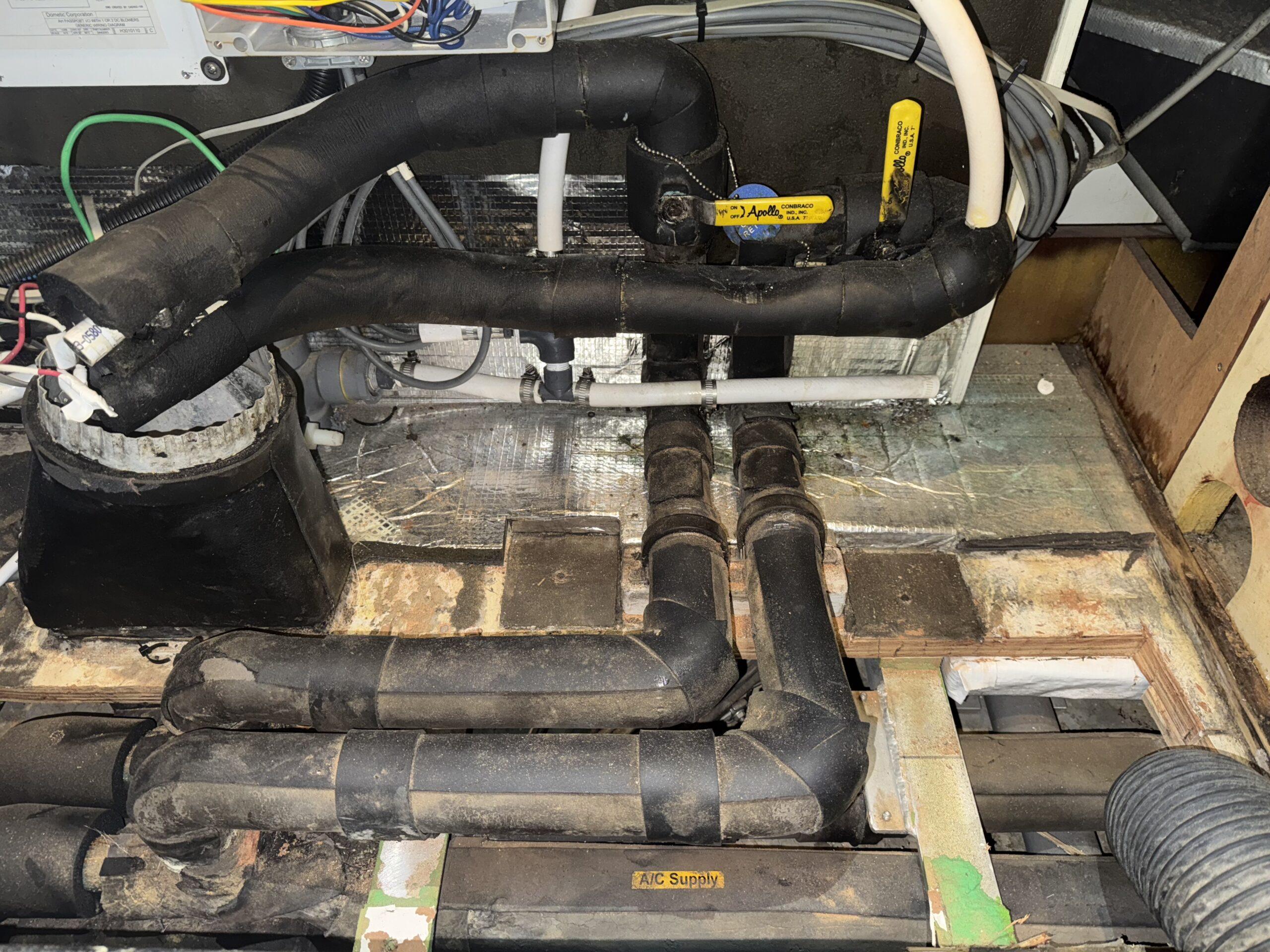
Modern vessels require advanced acoustic planning to maintain operational efficiency, crew wellbeing, and passenger comfort. Marine Noise Insulation has become an essential discipline in ship construction because vessels encounter constant vibration, machinery resonance, and environmental disturbances. Marine soundproofing strategies help engineers create controlled acoustic environments by reducing unwanted transmission throughout different compartments. From commercial ships to luxury yachts, thoughtful acoustic engineering influences the overall quality, durability, and functionality of maritime structures. The selection of suitable materials, installation methods, and structural solutions determines how effectively sound-related challenges are managed during a vessel’s lifecycle.
Marine Noise Insulation Principles and Ship Design Requirements
Shipbuilders approach acoustic management as a complex engineering task involving multiple sources of disturbance. Engines, propulsion systems, generators, ventilation equipment, and onboard activities contribute to airborne and structural noise. Effective Marine Noise Insulation requires a detailed understanding of how these sound waves travel through steel frameworks, bulkheads, decks, and interior spaces.
Unlike land-based buildings, ships operate within a constantly moving environment. Waves, mechanical loads, and propulsion forces create unique acoustic conditions that demand specialized solutions. Engineers must evaluate noise pathways during the early design phase rather than applying corrective measures after construction.
Acoustic Challenges Within Maritime Structures
Managing Machinery-Generated Vibrations
Mechanical equipment is one of the most significant contributors to onboard sound pollution. Engines and auxiliary systems produce vibrations that transfer through foundations and structural connections. These vibrations can travel across large sections of a vessel, affecting cabins, work areas, and recreational zones.
Advanced isolation mounts, resilient supports, and layered barriers are commonly incorporated to minimize these effects. The placement of machinery spaces also plays a vital role in limiting disturbance across occupied sections of a ship.
Material Selection for Improved Acoustic Performance
The choice of materials directly influences the success of acoustic treatments. Dense panels, specialized composites, damping compounds, and multilayer assemblies are frequently used because they absorb or block different sound frequencies.
Selection Criteria for Marine Noise Insulation Materials
When selecting materials, naval architects consider several factors, including fire resistance, moisture tolerance, weight limitations, and long-term stability. Marine environments expose materials to humidity, salt exposure, and temperature fluctuations, making durability a critical requirement.
Lightweight solutions are increasingly preferred because excessive structural weight can reduce fuel efficiency. However, materials must still provide strong acoustic performance. Engineers often combine multiple layers to achieve a balance between reduced mass and effective sound control.
Marine soundproofing Approaches for Passenger and Crew Areas
Passenger cabins, navigation rooms, entertainment zones, and crew accommodations require different acoustic considerations. Each area has unique noise expectations based on its purpose and location within the vessel.
Marine soundproofing techniques typically involve combining absorption systems with transmission barriers. Absorptive materials reduce reflected sound inside rooms, while blocking systems prevent external noise from entering sensitive areas.
Interior layouts also influence acoustic results. Positioning quieter spaces away from machinery zones, adding floating floors, and separating structural connections can significantly improve comfort. These decisions demonstrate why acoustic planning must be integrated into overall ship architecture.
Integration of Marine Noise Insulation During Construction
Successful implementation depends on coordination between designers, engineers, manufacturers, and installation teams. Acoustic systems must be incorporated without interfering with electrical networks, ventilation pathways, safety requirements, or maintenance access.
Marine Noise Insulation installation requires precision because small gaps, improper fastening, or incorrect material placement can reduce effectiveness. Quality inspections during construction help identify weaknesses before the vessel enters service.
Modern shipyards increasingly rely on digital modeling and simulation tools to predict acoustic behavior. These technologies allow engineers to test different configurations and optimize designs before physical installation begins.
Environmental and Regulatory Considerations
Noise generated by ships can affect both onboard occupants and surrounding marine ecosystems. International maritime guidelines encourage operators to reduce excessive sound emissions from vessels, particularly in sensitive areas.
Regulatory expectations have encouraged ship designers to develop more refined acoustic systems. Compliance with noise standards is now considered part of responsible vessel development rather than an optional enhancement.
Energy efficiency is another important factor. Many acoustic solutions must work alongside lightweight construction methods and sustainable design practices. Engineers continue researching innovative materials that provide strong performance while supporting environmental objectives.
Marine soundproofing Innovations and Future Developments
Emerging Technologies in Maritime Acoustics
New developments in material science are transforming how vessels manage unwanted sound. Smart composites, advanced polymers, and adaptive acoustic technologies are being explored for future applications.
Research into intelligent systems may allow ships to monitor sound levels and adjust acoustic performance automatically. These innovations could improve comfort while reducing the need for heavy traditional barriers.
Future Trends in Marine soundproofing
The future of maritime acoustic engineering is expected to focus on sustainable materials, improved simulation techniques, and integrated design approaches. Shipbuilders are moving toward solutions that combine efficiency, safety, and passenger satisfaction.
The growing demand for quieter vessels will continue influencing construction methods across commercial, military, and private maritime sectors. As vessel technology advances, acoustic control will remain a significant component of successful ship design.
Importance of Professional Acoustic Planning
Effective acoustic planning requires collaboration between specialists who understand structural behavior, material performance, and operational requirements. Poorly designed systems may lead to increased maintenance expenses, reduced comfort, and dissatisfaction among users.
A comprehensive approach considers every stage of vessel development, from initial concepts to final inspections. Engineers who prioritize acoustic performance create ships that provide better working environments, improved reliability, and enhanced user experiences.
The maritime industry continues evolving as expectations for quieter and more efficient vessels increase. Through careful design, advanced materials, and strategic installation practices, Marine Noise Insulation supports the creation of sophisticated ships capable of meeting modern performance standards. Future progress in Marine soundproofing will further strengthen the relationship between comfort, sustainability, and advanced naval engineering.

 English
 Arabic
 French
 Spanish
 Portuguese
 Deutsch
 Turkish
 Dutch
Dutch
 Italiano
 Russian
 Romaian
 Portuguese (Brazil)