


What to Expect During Fire Alarm Installation
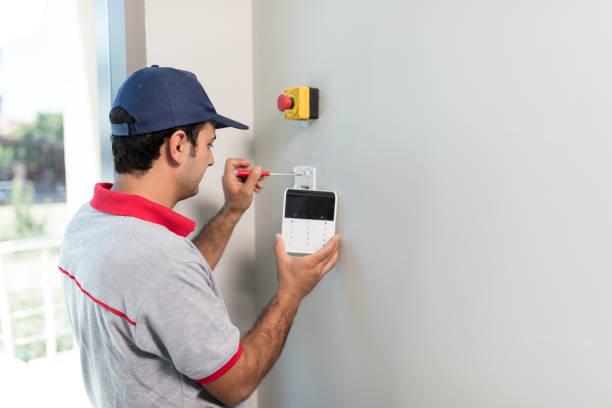
Getting a fire alarm system put in for the first time can feel a little overwhelming. You've got a contractor coming, wires going into walls, and a bunch of decisions to make about equipment you've probably never thought about before. Most people don't know what to expect, and that uncertainty is honestly the worst part. The good news is that the process is pretty straightforward once someone walks you through it. If you're a homeowner or business owner in the Bay Area looking into Fire Alarm Installation in Burlingame CA, this article breaks down exactly what happens from the first phone call to the moment the installer hands over the keys to your new system.
The Site Assessment Comes First
Before anyone touches a wire, a qualified installer will walk your property. This isn't a quick five-minute look around. They're checking ceiling heights, room layouts, existing electrical infrastructure, and anything that might affect where detectors need to go. They'll also ask about how the building gets used, because a warehouse and a dental office need very different setups.
This visit usually takes an hour or two, depending on the size of the property. Don't skip it or rush it. The assessment is where mistakes get caught before they become expensive, and it's also where your installer figures out what permits might be needed. In California, most commercial fire alarm work requires a permit pulled before installation starts, so this step has real consequences.
You'll also get a chance to ask questions here. Write them down beforehand. Things like how long the job will take, what areas of the building will be disrupted, and whether you need to vacate during any part of the work. Good installers expect these questions and won't rush you through them.
How Installers Figure Out Placement
Detector and device placement isn't a guessing game. It follows the NFPA 72 National Fire Alarm and Signaling Code, which sets out spacing rules, height requirements, and coverage areas for every type of device. Your installer is working within those rules the whole time.
Smoke detectors, heat detectors, pull stations, strobes, and the main control panel all have specific placement logic. Smoke detectors can't be too close to HVAC vents because airflow messes with their readings. Pull stations need to be near exits at a height anyone can reach. The control panel usually goes near the main entrance so firefighters can find it fast. None of this is arbitrary.
For larger buildings, installers often produce a layout drawing before any work starts. You should ask for a copy. It shows where every device will go and gives you something to reference later if you ever need to add devices or troubleshoot.
What Installation Day Actually Looks Like
The crew shows up with tools, wire, and the equipment that was spec'd during the assessment. First thing they do is set up the control panel location and start running wire. This is usually the noisiest and most disruptive part. Expect drilling, especially if the building has concrete or masonry walls.
After wiring comes device mounting. Detectors go up, pull stations get mounted, strobes get positioned. Then everything gets connected back to the panel. This phase is more methodical and quieter. A mid-size commercial space, say 5,000 to 10,000 square feet, typically takes one to two full days from start to finish. Bigger properties obviously take longer.
Once everything is physically in place, the installer runs a full system test. Every device gets triggered. Every notification goes off. The control panel gets checked to make sure it's logging faults and alarms correctly. If something doesn't respond the way it should, they find it now rather than later. This testing phase alone can take a couple of hours, so don't expect the crew to be out the door by noon on day two.
Staying Out of the Way vs. Being Present
You don't need to hover over the crew. But you do need to be reachable. Questions come up mid-install, sometimes about access to a locked room, sometimes about a layout change that makes more sense once they're actually in the space. Being a phone call away is usually enough. Some owners prefer to be on-site the whole time. That's fine too, just don't get in the way of the work.
Code Compliance and Inspections After the Work
Installation isn't the end. In most California jurisdictions, a fire alarm system has to pass an inspection by the local fire authority before it's considered approved. The installer typically coordinates this, but you should confirm who's responsible for scheduling it before the job starts. Don't assume.
The inspector will test devices, check panel programming, and verify that everything matches the approved plans. If something fails, you'll get a list of corrections. Most of the time these are minor, a device in the wrong spot or a label missing from the panel. But corrections need to be fixed and re-inspected before the system is officially signed off. Plan for that possibility so it doesn't blindside you.
Fire Alarm Installation Services in Burlingame CA are subject to both state and local requirements, so it's worth asking your installer which specific codes apply to your property type. Residential and commercial buildings don't always follow the same rules, and mixed-use buildings can get complicated fast.
What the Installer Should Hand Over at the End
A lot of property owners don't know what to ask for when the job wraps up. Here's what you should expect to receive before the installer leaves for the last time.
-
A copy of the as-built drawings showing every device location
-
The control panel access codes, in writing
-
The manufacturer manuals for the panel and major devices
-
A completed inspection record or certificate if the inspection has already happened
-
Contact information for ongoing service and monitoring
You should also get a basic walkthrough of how to use the panel. How to silence a nuisance alarm without disabling the system, how to reset after a real event, and what the different fault codes mean. This isn't optional. CA FIRE ALARM INC is one company that makes this part of every installation handoff, and it's the kind of thing that prevents panicked calls at 2am when a low-battery fault lights up the display.
Keep all of this documentation somewhere accessible. Not in a drawer nobody opens. Somewhere the building manager, the maintenance person, or a trusted employee can get to it fast if needed.
A Few Things That Catch First-Timers Off Guard
The noise during the drilling phase surprises people every time. If you're running a business, think about scheduling the noisiest work for off-hours or weekends. Some installers offer this, some don't, but it's worth asking.
Also, monitoring contracts often get bundled in with the installation quote. Read those separately. The monitoring service is an ongoing cost, usually monthly, and the terms matter. You want to know what happens if you switch providers later and whether there's a cancellation fee.
Fire Alarm Installation Services in Burlingame CA often include monitoring setup as part of the package, so clarify what's included in your quote upfront. And if the system includes a connection to the local fire department's dispatch center, make sure you understand how that activation process works before the inspector leaves.
Frequently Asked Questions
How long does a typical fire alarm installation take?
It depends on the size of the property. A small residential installation might wrap up in a single day. A mid-size commercial space usually takes one to two days for the physical work, plus additional time for testing and inspection scheduling. Larger or more complex buildings can take a week or more.
Do I need to be home or on-site during the installation?
You don't need to be there every minute, but you should be reachable by phone. Questions come up during the job, and having someone who can make decisions quickly keeps things moving. If you genuinely can't be present, designate a point person who has authority to answer questions on your behalf.
Who schedules the fire inspection after installation?
Usually the installer handles this, but confirm it in writing before the job starts. In some cases the property owner has to initiate the inspection request directly with the local fire authority. Don't leave it vague or it can fall through the cracks.
What happens if my system fails the inspection?
You'll get a correction notice listing what needs to be fixed. Most issues are minor and get resolved quickly. After corrections are made, a re-inspection gets scheduled. It's not a disaster, just a delay. Factor it into your timeline if you have a hard deadline, like a business opening date.
What's the difference between a monitored and unmonitored system?
An unmonitored system triggers alarms locally, meaning it makes noise in the building, but nobody calls for help automatically. A monitored system connects to a central station that contacts the fire department when an alarm goes off. For most commercial properties and many homes, monitoring is either required or strongly recommended. Ask your installer which applies to your situation.
Getting a fire alarm system installed doesn't have to be stressful. Know what's coming, ask your questions early, and make sure you leave the job with everything you need to actually use and maintain the system. That last part is where a lot of people drop the ball, and it's the easiest one to get right.

 English
 Arabic
 French
 Spanish
 Portuguese
 Deutsch
 Turkish
 Dutch
Dutch
 Italiano
 Romaian
 Portuguese (Brazil)
 Greek
Greek