


How to Use Upholstery Supplies for Beginners in the UK
Understanding Upholstery as a Beginner
Upholstery can feel a little overwhelming when you first step into it. There are fabrics, tools, foams, trims, tacks, and all sorts of items you may not have heard of before. But once you understand the basic purpose of each supply, the process becomes much easier to approach. Upholstery is essentially about giving furniture a fresh look and extending its life, whether it’s a favourite chair, a dining seat, or a vintage footstool. For beginners in the UK, learning how to choose and use the right materials is the first step to success.
Choosing the Right Fabric
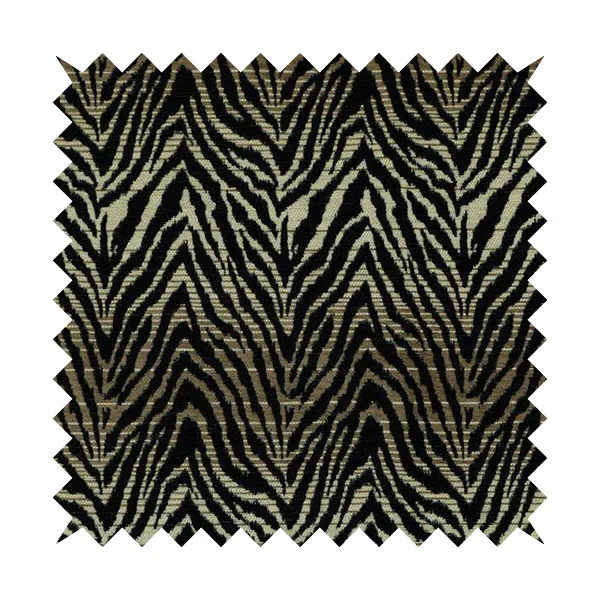
Fabric is the heart of any upholstery project. Before buying anything, think about how the furniture will be used. A bedroom chair used occasionally may not need heavy-duty fabric, but a sofa in a busy living room will. When shopping for upholstery fabric in the UK, pay attention to rub counts—also called the Martindale rating. The higher the number, the more durable the fabric is. Patterns, colours, and textures are essential too, but durability should always come first.
Selecting Foam and Padding
Foam shapes the comfort of your furniture. Beginners often overlook this part, but using the right density foam will affect both comfort and durability. High-density foam is great for seats, while softer foam or wadding works well for backs and arms. Padding like polyester batting helps smooth the edges and gives the furniture a fuller, neater finish. When buying foam in the UK, you’ll usually see density ratings, choose one based on how firm or soft you want the finished piece to feel.
Essential Upholstery Tools
You don’t need every tool on the market. A few essential tools can help you complete most beginner-level projects:
-
Staple gun (manual or electric)
-
Staples (different sizes for different fabrics)
-
Fabric scissors
-
Tack remover / staple remover
-
Hammer
-
Measuring tape and chalk
-
Upholstery needle and strong thread
With these basics, you can confidently handle most small projects like dining chairs, stools, ottomans, and simple cushions.
Understanding Webbing and Springs
Furniture that needs more structural support often relies on webbing or springs. Webbing provides a foundation under the foam and helps the piece keep its shape. Jute webbing is the traditional option, while rubber webbing is more elastic and easier for beginners to handle. Springs, while a bit more advanced, give seats that classic bouncy feel. If you are new, start with webbing—you can always move up to spring work later.
Working With Trims and Decorative Elements
Trims such as piping, nailheads, and braids are optional, but they can elevate the look of your project. Piping gives furniture a clean, tailored edge. Nailhead trim adds a classic detail especially common in British and European traditional designs. When using trims, take your time—small details can make a big difference. Beginners might prefer starting with simple piping because it’s easier to control and blends naturally into most furniture styles.
Step-by-Step Approach to a Basic Upholstery Project
A simple dining chair is the best starter project. Here’s a quick overview:
-
Remove the seat from the chair frame.
-
Strip old fabric and padding carefully using a staple or tack remover.
-
Check the seat base (wood or board) to make sure it’s still strong.
-
Add new padding—foam first, then wadding.
-
Cut your fabric allowing at least 8–10 cm extra around all sides.
-
Staple the fabric starting from the centre of each side and working outward.
-
Fold corners neatly for a clean finish.
-
Reattach the seat to the frame.
Once you try one or two small projects, you’ll become comfortable with how the supplies behave and how to adjust your technique.
Where to Buy Upholstery Supplies in the UK
Beginners often ask where to find good-quality supplies. In most UK towns, general craft stores may have limited upholstery materials, so it’s often easier to shop online for a broader selection. Look for fabric sellers that offer clear descriptions, durability ratings, and guidance for beginners. Specialist upholstery suppliers also sell foam, tools, and trims in one place, which makes gathering materials easier.
Tips to Avoid Common Beginner Mistakes
Everyone makes mistakes when starting out. A few simple habits can help you avoid the most common ones:
-
Always measure twice before cutting.
-
Pull fabric evenly, not too tight on one side.
-
Use the right staple size for the thickness of the fabric.
-
Choose durable fabrics for furniture used daily.
-
Take your time—rushing usually leads to wrinkles or uneven tension.
Small improvements in technique make a big difference in the final look of your project.
Conclusion
Upholstery may seem complicated at first, but once you understand the basic supplies—fabric, foam, tools, webbing, and trims, it becomes an enjoyable and rewarding skill. With a little practice, beginners in the UK can transform worn furniture into pieces that look fresh and personal. When you’re ready to explore different fabrics or need guidance choosing materials, you might find it helpful to browse a specialist source. For example, Yorkshire Fabric Shop, an online destination based in the UK, offers a wide range of upholstery fabrics that can inspire your next project. Wherever you choose to source your materials, the key is to start small, take your time, and enjoy the process of learning upholstery.
FAQs
1. What is the best upholstery project for beginners?
A dining chair or footstool is ideal because it requires only basic tools and straight-forward steps.
2. How much fabric do I need for a simple chair?
Most dining chairs need about half a metre, but always measure your seat and add extra for folding and wrapping.
3. Can I use any fabric for upholstery?
Not all fabrics are suitable. Look for upholstery-grade fabrics with a high rub count to ensure durability.
4. Do I need an electric staple gun?
Manual staple guns work fine for beginners, though electric ones are easier on the hands during longer projects.
5. How do I avoid wrinkles in the fabric?
Pull the fabric evenly from the centre outward and staple gradually. Work in small sections rather than stretching too much at once.

 English
 Arabic
 French
 Spanish
 Deutsch
 Turkish
 Dutch
Dutch
 Italiano
 Russian
 Romaian
 Portuguese (Brazil)
 Greek
Greek