


15 Construction Hazards You’re Probably Ignoring on Today’s Job Sites
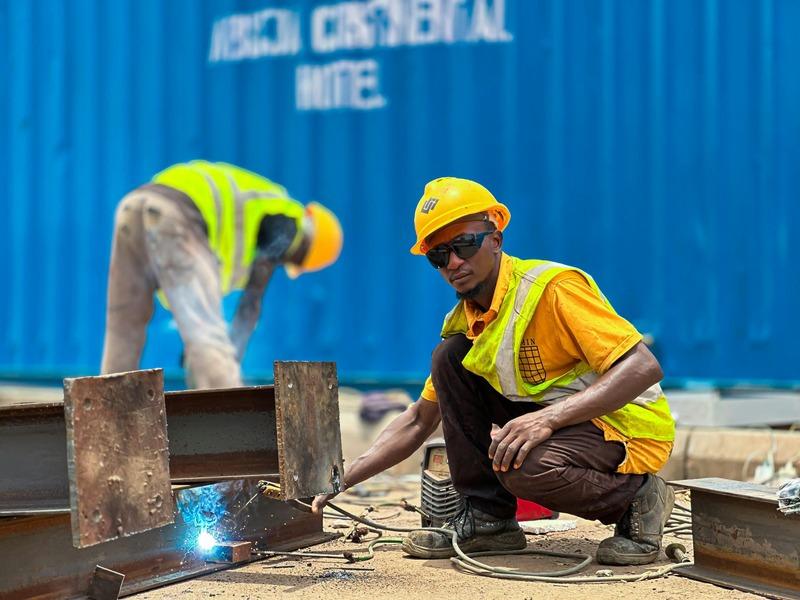
Construction hazards are the hidden and visible dangers that exist on every construction site. From working at height to exposure to dust, chemicals, and moving equipment, these risks can cause serious injuries or even fatalities if ignored. Many construction hazards develop slowly and feel normal over time, which makes them easy to overlook. However, small risks often lead to major accidents when left unmanaged. Understanding construction hazards helps workers recognize danger early and take action before injuries occur.
Regular training, inspections, and clear communication play a key role in reducing these risks. When hazards are identified and controlled, construction sites become safer, more productive, and more reliable for everyone involved.
What Are Construction Hazards and Why They’re Often Overlooked
Construction hazards are conditions or actions that can cause injury, illness, or damage. They include physical risks, chemical exposure, and mental strain. Many hazards feel normal because workers see them every day and stop questioning them.
Routine creates blind spots. Crews walk past loose cords or dusty air without concern. Over time, what feels normal becomes dangerous. Awareness breaks that cycle and restores attention to safety.
Why Ignoring Construction Hazards Leads to Serious Accidents
Most construction accidents do not happen suddenly. They develop slowly. A loose guardrail today becomes a fall tomorrow. Ignored construction hazards stack up until failure occurs.
OSHA reports show many accidents come from known risks. When hazards go unreported, injuries rise and projects suffer delays, fines, and lawsuits. Prevention always costs less than recovery.
Falls and Working at Height Hazards You Don’t Always Notice
Falls remain the leading cause of construction deaths. Workers often underestimate ladders, roof edges, and temporary platforms. Even short falls can cause permanent injuries.
Hidden fall hazards include fragile surfaces, poor ladder setup, and missing guardrails. Planning ahead and using fall protection greatly reduces these construction hazards.
Struck-By and Moving Object Hazards on Busy Job Sites
Construction sites stay in constant motion. Vehicles reverse. Loads swing. Tools fall. Struck-by hazards appear when workers lose awareness for a moment.
Poor visibility and missing spotters increase risk. Clear walkways, traffic plans, and high-visibility clothing help reduce these common construction hazards.
Electrical and Fire Hazards Hidden in Daily Construction Tasks
Temporary wiring and damaged cords seem harmless until they shock or spark. Electrical construction hazards often go unnoticed because power feels routine.
Fire risks grow from hot work, fuel storage, and cluttered spaces. Small sparks can trigger major damage if flammable materials remain unmanaged.
Caught-In, Trench, and Confined Space Construction Hazards
Caught-in hazards trap workers between machines and materials. Trench collapses happen without warning and leave little chance to escape.
Confined spaces add risks like low oxygen and toxic gases. Proper shoring, ventilation, and permits protect workers in these dangerous environments.
Chemical, Dust, and Respiratory Construction Hazards
Dust and fumes harm workers slowly. Silica dust, asbestos fibers, and chemical vapors damage lungs over time.
Many workers underestimate respiratory construction hazards because symptoms appear years later. Ventilation, respirators, and training reduce long-term exposure.
Ergonomic, Noise, and Vibration Hazards Affecting Workers Long-Term
Repetitive lifting and awkward posture strain muscles and joints. These construction hazards build pain gradually.
Noise damages hearing. Vibration harms nerves. Power tools cause hand-arm vibration syndrome when used without limits or protection.
|
Hazard |
Long-Term Impact |
|
Noise |
Hearing loss |
|
Vibration |
Nerve damage |
|
Lifting |
Back injuries |
Mental Health and Fatigue as Overlooked Construction Hazards
Mental strain often stays hidden. Long hours, pressure, and isolation increase stress and fatigue. These hazards reduce focus and slow reactions.
Fatigued workers make mistakes. Supporting mental health improves attention, morale, and overall safety on construction sites.
How to Identify and Control Construction Hazards Before Accidents Happen
Hazard control starts with awareness. Daily inspections and risk assessments expose risks early. Training keeps workers alert. Incorporating OSHA online training ensures workers are well-equipped with the knowledge to identify and control construction hazards before accidents happen.
Effective control includes PPE, open communication, and clear reporting systems. A strong safety culture turns prevention into habit, not obligation.
Faq
1. What are construction hazards?
Construction hazards are conditions or activities on job sites that can cause injury, illness, or damage.
2. What are the most common construction hazards?
Common hazards include falls, struck-by incidents, electrical risks, trench collapses, and exposure to dust or chemicals.
3. Why are construction hazards often ignored?
They become familiar over time, causing workers to underestimate the risk and overlook warning signs.
4. How can construction hazards be reduced?
Regular inspections, proper training, PPE, and clear safety procedures help control construction hazards.
5. Who is responsible for managing construction hazards?
Employers and supervisors are responsible, but workers must also follow safety rules and report hazards.

 Arabic
 French
 Spanish
 Portuguese
 Deutsch
 Turkish
 Dutch
Dutch
 Italiano
 Russian
 Romaian
 Portuguese (Brazil)
 Greek
Greek