


Why Maintenance Matters in Medical Mold Production?
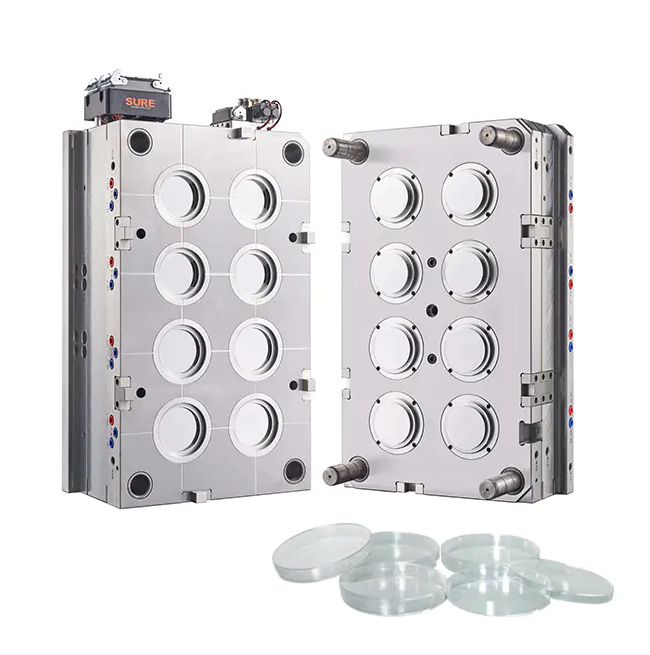
Medical mold plays a critical role in the manufacturing of medical devices, instruments, and equipment. The precision and reliability of medical molds directly affect the quality of the final products, which are often used in sensitive healthcare environments. Components such as syringes, surgical instruments, implants, and diagnostic devices rely on molds that are designed to meet strict regulatory and safety standards. Properly engineered medical molds ensure that these products are uniform, durable, and safe for patient use.
In healthcare manufacturing, medical molds must accommodate various materials including plastics, metals, and silicone. Each material requires specific considerations during the molding process. For example, thermoplastic materials often used for disposable medical items require molds that can handle high cycle times and maintain consistent dimensions. In contrast, silicone-based molds for implants demand precise temperature control to preserve the material’s properties. The ability to adapt to different materials makes medical molds an essential part of modern medical production.
Another important aspect of medical molds is their design flexibility. Mold engineers focus on creating molds that allow efficient mass production while reducing material waste. Detailed attention is given to factors such as mold flow, cooling channels, and part ejection mechanisms. These considerations are essential for achieving high-quality components without defects such as warping, air traps, or surface imperfections. The careful design and maintenance of medical molds help manufacturers meet the rigorous standards required in medical device production.
The advancement of medical technology also drives innovation in mold design. Complex medical components, such as microfluidic devices or intricate surgical instruments, require molds capable of producing fine details and tight tolerances. Precision machining and advanced computer-aided design tools support these demands, allowing molds to meet the exacting specifications of modern medical equipment. Modular mold designs can provide flexibility for different product sizes and shapes, reducing the need for multiple molds and streamlining production processes.
Maintenance and quality control are equally crucial for medical molds. Regular inspection and cleaning prevent contamination and ensure that molds continue to produce reliable parts. Any deviation in mold performance can affect product quality and safety, making preventive maintenance an essential practice in medical manufacturing.
Medical molds are fundamental to the production of safe and reliable medical devices. Their design, material compatibility, and maintenance are key factors that influence product quality. Careful engineering combined with technological support allows medical molds to help the healthcare industry meet regulatory requirements and address patient needs.

 English
 Arabic
 French
 Spanish
 Portuguese
 Deutsch
 Turkish
 Dutch
Dutch
 Italiano
 Russian
 Portuguese (Brazil)
 Greek
Greek