


Dangerous Goods Course Manitoba: Training, Rules & Certification
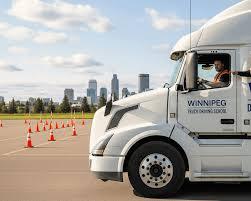
Transporting hazardous materials carries extra responsibilities. A Dangerous Goods course in Manitoba (TDG) gives drivers the legal knowledge and practical skills they need to move regulated loads safely — from industrial chemicals in Winnipeg to agricultural products around Steinbach and fuels along the Portage la Prairie corridor. This article explains what TDG training covers, who needs it, how it fits with other certifications (Air brake course Winnipeg, Class 3 license training, Class 1 MELT Manitoba), and why Barnala Driver Training Academy is a smart local choice for professional truck training.
Why a Dangerous Goods course in Manitoba matters
Moving dangerous goods is regulated to protect people, property, and the environment. In Manitoba, employers and drivers must follow federal and provincial TDG rules when transporting classified materials. Completing a Dangerous Goods course in Manitoba shows you:
-
You understand classification, placarding, and documentation.
-
You can prepare loads safely and follow segregation rules.
-
You know how to respond to spills, leaks, or accidents.
-
You’re a lower-risk hire for carriers and shippers.
For drivers pursuing truck driver training in Winnipeg or upgrading via Class 3 license training or Class 1 MELT Manitoba, TDG is a valuable add-on that expands job opportunities across municipal, industrial, and agricultural sectors.
Who needs TDG training in Manitoba?
You should complete a Dangerous Goods course in Manitoba if you:
-
Load, transport, or handle regulated hazardous materials.
-
Supervise or plan the transport of dangerous goods.
-
Work for a carrier, distributor, or company that ships regulated items.
-
Want to increase your employability in freight, municipal, or farm-related hauling?
Not every driver needs TDG — for example, routine household moves don’t usually require it — but many local employers prefer TDG-certified drivers because it lowers liability and improves operational safety.
What a Dangerous Goods course Manitoba covers
TDG training blends legal requirements with practical response skills. A typical course includes:
Classification & Documentation
-
How to identify hazard classes and divisions.
-
Completing shipping documents and safety data sheets (SDS).
-
Correct placarding and marking for vehicles and packages.
Packaging, Segregation & Load Securement
-
How to pack and secure loads to prevent movement, damage, or incompatible mixing.
-
Segregation rules — which goods can share space and which must be separated.
Emergency Response & Reporting
-
Initial actions at the scene of a spill or leak.
-
Who to notify and what information to provide.
-
Containment basics and personal safety steps.
Integration with Inspections & Vehicle Systems
-
Pre-trip checks that focus on TDG risk (valves, seals, placards).
-
How air brake knowledge (Air brake course Winnipeg) and vehicle inspection skills support safe TDG transport.
Barnala’s TDG lessons combine classroom scenario work with practical examples drawn from Winnipeg’s industrial districts, Steinbach’s agricultural routes, and Portage la Prairie’s highway freight patterns to make learning immediately applicable.
How TDG fits into your professional training path
TDG is most effective when combined with core licence training and complementary courses:
-
With Class 3 license training, you are ready for municipal and vocational roles carrying regulated materials.
-
With Class 1 MELT Manitoba, the program prepares long-haul candidates to handle tankers and other regulated loads.
-
With the Air Brake course in Winnipeg, many tankers and heavy units use air brakes; combining the two saves time and raises employability.
-
With Load Securement and Vehicle Inspection courses, TDG, plus strong securing and inspection skills, you become highly attractive to employers.
Barnala packages TDG with other professional truck training modules so students can build a complete, employer-ready skillset in one streamlined program.
Local rules and real-world considerations
Manitoba drivers must follow federal TDG regulations plus provincial operational practices. Local considerations include:
-
Urban delivery in Winnipeg: tight loading zones and frequent public interactions require strong placarding and spill-response awareness.
-
Rural work around Steinbach: plan for remote access, limited emergency services, and rural route segregation.
-
Highway runs near Portage la Prairie: long distances and higher speeds emphasize securement and pressure checks for tankers.
Barnala instructors stress route-specific risk planning: what to do if you’re on Highway 1 outside Portage, or delivering to a busy Winnipeg industrial park during rush hour.
What employers expect from TDG-certified drivers
Carriers and shippers focus on three outcomes:
-
Compliance: accurate paperwork and correct placarding reduce regulatory risk.
-
Safety: Drivers who understand containment and emergency steps lower incident severity.
-
Reliability: certified drivers require less on-the-job supervision, making them immediate assets.
Reporting TDG certification on your resume alongside truck driver training in Winnipeg and endorsements such as Air Brake shows employers you’re ready for real responsibilities.
How Barnala delivers TDG training
Barnala Driver Training Academy provides TDG training tailored to Manitoba drivers:
-
Experienced instructors who explain rules plainly and practice scenarios you’ll see locally.
-
Hands-on examples that pair placarding and documentation with vehicle inspection routines.
-
Flexible scheduling across Winnipeg, Steinbach, and Portage la Prairie to fit working learners.
-
Multilingual support so diverse learners grasp both the law and practical steps.
-
Career-focused coaching — how to present TDG on resumes and interviews.
“TDG is about mindset as much as paperwork,” says a lead instructor at Barnala. “We focus on the decisions drivers make in the first minutes of an incident — those choices keep people safe.”
Preparing for your TDG course: practical checklist
Before your Dangerous Goods course in Manitoba, bring:
-
Valid photo ID and any enrolment paperwork.
-
A notebook for checklists and emergency contacts.
-
Questions about the types of loads you expect to carry.
-
Openness to scenario work — many of our lessons are role-plays that build confidence.
Barnala also recommends pairing TDG with vehicle inspection and Air Brake training when relevant, since those skills interact daily on regulated loads.
Conclusion —
If your work will involve handling, loading, or transporting hazardous materials — or if you want to expand your job opportunities across Winnipeg, Steinbach, and Portage la Prairie — a Dangerous Goods course in Manitoba is a strategic and safety-focused step. TDG certification, when paired with Air brake course Winnipeg, Class 3 license training, or Class 1 MELT Manitoba, makes you a safer driver and a more desirable hire.
Barnala Driver Training Academy delivers practical, MPI-aligned professional truck training with experienced instructors, hands-on vehicles, flexible scheduling, and career support. Contact Barnala to discuss TDG course dates, package options, and how TDG fits into your trucking career plan.
Ready to get TDG certified?
Contact Barnala Driver Training Academy for course availability in Winnipeg, Steinbach, and Portage la Prairie.
Frequently Asked Questions (FAQ) —
1. Who must take TDG training in Manitoba?
Drivers and personnel who handle, load, transport, or supervise the transport of regulated hazardous materials need TDG certification. Employers may require it for certain routes or cargo.
2. How long is TDG training?
Course lengths vary by provider and depth (basic vs. comprehensive). Barnala offers flexible TDG sessions that fit into full training packages or as standalone courses.
3. Does TDG include emergency response training?
Yes — practical TDG courses teach initial incident response, notification protocols, and containment basics suitable for drivers until professional responders arrive.
4. Can I bundle TDG with Air Brake or MELT training?
Yes — bundling TDG with Air brake course Winnipeg, Class 3 license training, or Class 1 MELT Manitoba is efficient and employer-friendly. Barnala provides tailored bundles.
5. Is TDG recognized by employers outside Manitoba?
Federal TDG training is nationally recognized across Canada. Always check specific employer or provincial requirements for any additional local rules.

 English
 Arabic
 French
 Spanish
 Portuguese
 Deutsch
 Turkish
 Dutch
Dutch
 Italiano
 Russian
 Romaian
 Portuguese (Brazil)