


Are Skin Tags Contagious: Risk Factors and Prevention Tips
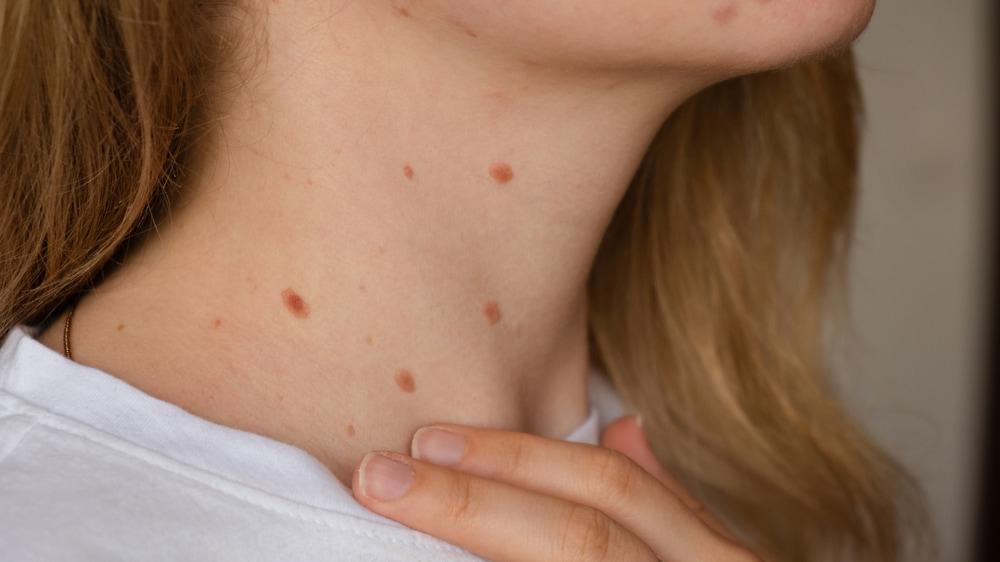
Skin tags are small, soft, benign growths that commonly appear on areas where skin rubs against skin or clothing. While they are generally harmless and painless, many people wonder about their nature and whether they can be transmitted from one person to another. In this article, we explore the question Are Skin Tags Contagious, the risk factors, and ways to prevent their development, providing you with a comprehensive understanding of these common skin growths.
Understanding Skin Tags
Skin tags, medically known as acrochordons, are tiny, flesh-colored growths that typically develop in areas such as the neck, armpits, groin, and under the breasts. They are composed of collagen fibers and blood vessels covered by skin. Though they are harmless, they can sometimes become irritated due to friction or clothing, causing discomfort.
Many people mistakenly associate skin tags with contagious skin conditions, such as warts or fungal infections. However, understanding their biology is crucial to answering the question Are Skin Tags Contagious. Unlike warts, which are caused by the human papillomavirus (HPV), skin tags are not caused by infections, meaning they cannot spread from person to person through physical contact.
Causes of Skin Tags
Several factors contribute to the formation of skin tags. While genetics may play a role, lifestyle and physical conditions are often significant contributors. Common causes include:
-
Friction from skin rubbing against skin or clothing
-
Hormonal changes, particularly during pregnancy
-
Obesity, which increases skin folds and friction
-
Aging, as skin elasticity decreases over time
Understanding these causes helps clarify why many people worry about the question Are Skin Tags Contagious. Since skin tags arise from internal factors rather than infectious agents, their development is largely independent of external contact with affected individuals.
Risk Factors and Who is Most Vulnerable
Although skin tags can occur in anyone, certain groups are more prone to developing them. Recognizing these risk factors is essential for prevention:
-
Age – Skin tags are more common in middle-aged and older adults.
-
Obesity – Individuals with higher body weight have more skin folds where tags can develop.
-
Diabetes – Insulin resistance is linked to a higher likelihood of skin tags.
-
Genetics – A family history of skin tags increases susceptibility.
-
Hormonal changes – Pregnancy and other hormonal shifts can contribute to their formation.
Despite these factors, it’s important to remember that skin tags are non-contagious. Concerns about skin tag transmission are common, but they are generally unnecessary. For individuals interested in overall Health and Wellness, addressing underlying risk factors like obesity and diabetes can help reduce the likelihood of developing new skin tags.
Signs That Indicate a Skin Tag
Identifying a skin tag is usually straightforward. They are typically small, soft, and may vary in size from a few millimeters to over a centimeter. Common signs include:
-
Flesh-colored or slightly darker growths
-
Soft, smooth, or slightly wrinkled texture
-
Pedunculated appearance (attached by a thin stalk)
-
Occasional irritation from friction
By recognizing these signs, individuals can differentiate skin tags from other skin conditions. Understanding these characteristics also reassures people concerned about Are Skin Tags Contagious, as their appearance does not indicate infectiousness.
Can Skin Tags Become Problematic?
While skin tags are benign, they can sometimes cause discomfort, particularly if they are in areas prone to friction. Some situations where skin tags might become problematic include:
-
Rubbing against clothing or jewelry, leading to irritation
-
Cosmetic concerns, especially on visible areas like the face or neck
-
Rare instances of infection if the skin tag is accidentally torn or cut
Even in these cases, skin tags do not spread to others. Therefore, although they may require removal for personal comfort or aesthetic reasons, they remain non-contagious, alleviating concerns about transmitting them to family members or friends.
Preventing Skin Tags
Although it is impossible to prevent all skin tags, certain strategies can reduce their likelihood. Prevention primarily focuses on minimizing friction and maintaining healthy skin. Some tips include:
-
Keeping skin folds dry and clean
-
Managing body weight to reduce friction in folds
-
Wearing loose-fitting clothing to prevent irritation
-
Regular skin check-ups, particularly for those with a family history
By following these preventive measures, individuals can manage the development of skin tags effectively. It also reinforces the understanding that Are Skin Tags Contagious is a question rooted more in concern than reality.
Treatment Options for Skin Tags
If skin tags become bothersome, various treatment options are available. Professional removal is the safest approach, particularly for larger or irritated tags. Common methods include:
-
Cryotherapy – Freezing the skin tag with liquid nitrogen.
-
Excision – Cutting the tag off using sterile surgical instruments.
-
Electrosurgery – Burning the skin tag using electrical energy.
-
Ligation – Tying off the tag to cut off its blood supply, causing it to fall off.
Over-the-counter remedies are available, but professional consultation ensures safe removal and reduces the risk of infection or scarring. Importantly, treatment does not relate to contagion concerns since Are Skin Tags Contagious remains negative.
When to See a Dermatologist
While most skin tags are harmless, consulting a dermatologist is advisable if you notice:
-
Rapid growth or sudden appearance of multiple tags
-
Pain, bleeding, or infection around a tag
-
Uncertainty about whether a growth is a skin tag or another skin condition
A dermatologist can confirm the diagnosis, provide removal options, and address any cosmetic concerns. They can also reassure patients regarding the non-contagious nature of skin tags, easing any anxiety about transmitting them to others.
Conclusion
In summary, the question Are Skin Tags Contagious can be confidently answered: skin tags are not contagious. They result from factors such as friction, hormonal changes, genetics, and certain health conditions rather than infections. While they are typically harmless, skin tags can sometimes cause discomfort or cosmetic concern. Preventive measures focusing on hygiene, weight management, and skin care can reduce their occurrence. For those who experience discomfort or cosmetic issues, professional removal is a safe and effective option.
Understanding the nature of skin tags is an essential part of maintaining Health and Wellness, ensuring individuals can manage their skin confidently without unnecessary fear of contagion.

 English
 Arabic
 French
 Spanish
 Portuguese
 Deutsch
 Turkish
 Dutch
Dutch
 Russian
 Romaian
 Portuguese (Brazil)
 Greek
Greek