


Prenatal Yoga in Canada: Connecting Mind, Body, and Baby
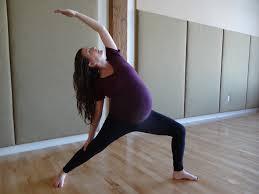
Pregnancy is a transformative journey, marked by profound physical, emotional, and spiritual changes. As the body adapts to support new life, expectant mothers often face challenges ranging from fatigue and back pain to stress and anxiety. In Canada, an increasing number of women are turning to prenatal yoga as a holistic approach to navigate these changes. Beyond physical fitness, prenatal yoga offers a unique opportunity to connect with the unborn baby while nurturing mental clarity and emotional well-being.
Understanding Prenatal Yoga
Prenatal yoga is a specialized form of yoga designed specifically for pregnant women. Unlike regular yoga practices, it emphasizes gentle movements, breathing techniques, and meditation, all adapted to accommodate the growing belly and changing body dynamics. The practice is not only about physical exercise; it is a comprehensive approach that encourages mindfulness, relaxation, and a deeper awareness of the connection between mother and child.
Prenatal yoga in Canada has gained popularity due to its accessible classes offered in studios, community centers, and online platforms. Certified instructors often provide tailored guidance, ensuring that each posture is safe and effective at different stages of pregnancy.
Physical Benefits of Prenatal Yoga
One of the most significant advantages of prenatal yoga is its positive impact on the physical health of both mother and baby. Pregnancy often brings discomfort such as lower back pain, swelling, and fatigue. Prenatal yoga helps alleviate these symptoms through gentle stretches that enhance flexibility and strength.
Specific poses, such as cat-cow stretches, pelvic tilts, and supported lunges, strengthen the core and pelvic muscles, which can contribute to easier labor and recovery. Furthermore, consistent practice promotes better posture, reduces the risk of gestational diabetes, and improves circulation, minimizing swelling and fluid retention. In Canada, where healthcare encourages preventive measures, prenatal yoga aligns perfectly with overall wellness strategies.
Emotional and Mental Well-Being
Pregnancy is not only a physical journey but also an emotional rollercoaster. Hormonal changes, anxiety about childbirth, and the anticipation of becoming a parent can create stress and overwhelm. Prenatal yoga incorporates breathing exercises (pranayama) and meditation techniques that help regulate the nervous system, reducing anxiety and promoting calmness.
Deep breathing exercises, such as diaphragmatic breathing or alternate nostril breathing, increase oxygen flow, enhance relaxation, and improve sleep quality. These techniques empower expectant mothers to manage stress more effectively, cultivate patience, and foster a sense of inner balance. In Canada, where mental health is increasingly recognized as vital to maternal care, prenatal yoga offers a proactive approach to emotional resilience.
Bonding with Your Baby
Perhaps the most profound aspect of prenatal yoga is its ability to strengthen the bond between mother and baby. Mindful movement and meditation encourage mothers to focus inward, creating a sense of connection with the growing life inside them. Gentle massages of the belly, synchronized with breathing, allow mothers to communicate love and care even before birth.
Studies suggest that babies can respond to their mother’s emotional state, making prenatal bonding practices, like yoga, beneficial for early development. By dedicating time each day to mindful awareness and connection, Canadian mothers nurture not only their own well-being but also the emotional health of their unborn child.
Social Support and Community
Prenatal yoga classes in Canada also provide a unique opportunity for social connection. Many women find comfort in sharing their experiences, challenges, and joys with other expectant mothers. This sense of community fosters emotional support, reduces feelings of isolation, and encourages the exchange of knowledge about pregnancy and childbirth.
Moreover, community-based programs in urban centers such as Toronto, Vancouver, and Montreal often incorporate workshops on nutrition, childbirth preparation, and postpartum care. These holistic programs complement prenatal yoga by addressing multiple aspects of maternal health in a supportive environment.
Safety Considerations
While prenatal yoga offers numerous benefits, safety is paramount. Expectant mothers should consult their healthcare provider before beginning any new exercise routine. Certified prenatal yoga instructors are trained to modify poses to prevent strain or injury, especially for women with high-risk pregnancies.
Certain movements, such as deep backbends, intense abdominal exercises, or poses requiring balance on the floor, may need to be adapted or avoided. Instructors in Canada emphasize the importance of listening to one’s body, using props like bolsters and blocks, and practicing mindfulness rather than pushing physical limits.
Online and Hybrid Options in Canada
The rise of online prenatal yoga classes has made the practice more accessible to mothers across Canada, including those in remote or rural areas. Platforms offering live or on-demand sessions allow flexibility, enabling women to practice safely from home while still receiving professional guidance. Hybrid programs also combine in-person and virtual classes, providing the best of both worlds—personalized instruction and convenience.
These online options are especially valuable in a country as geographically vast as Canada, where travel to urban centers may not always be feasible. Expectant mothers can now maintain consistent practice schedules, engage with instructors through live Q&A sessions, and participate in virtual communities for support and encouragement.
Preparing for Labor and Beyond
Prenatal yoga not only prepares women for the physical demands of childbirth but also equips them with coping strategies for labor. Techniques such as controlled breathing, visualization, and relaxation help manage pain and anxiety during delivery. Additionally, strengthening the pelvic floor and core muscles can facilitate smoother labor and reduce postpartum recovery time.
After childbirth, many women transition to postnatal yoga to continue building strength, promoting flexibility, and restoring balance. The continuity of practice reinforces the lifelong benefits of yoga, enhancing overall well-being for both mother and child.

 English
 Arabic
 Spanish
 Portuguese
 Deutsch
 Turkish
 Dutch
Dutch
 Italiano
 Russian
 Romaian
 Portuguese (Brazil)
 Greek
Greek