


How Handicap Golf Turns Casual Weekend Rounds Into Competitive Fun
For many golfers, the weekend round is the highlight of the week. It’s a chance to unwind, catch up with friends, and enjoy the game without tournament pressure. Yet, weekend matches can quickly lose their spark when skill gaps are too wide. One or two players shoot far better scores, while others feel like they’re just along for the walk.
This is where handicap golf completely transforms the experience. Instead of separating players by ability, handicaps bring everyone together in a way that makes matches closer, fairer, and far more entertaining. Handicap golf doesn’t change how you play the game—it changes how much fun you have playing it.
Understanding Handicap Golf in Weekend Play
Handicap golf is a system designed to reflect a player’s potential scoring ability rather than their best or worst rounds. In weekend play, this system allows golfers of varying skill levels to compete on equal footing by adjusting scores based on individual handicaps.
Rather than comparing raw totals, players compare net performance, which accounts for how difficult the course is and how each golfer typically plays. This means a higher-handicap golfer doesn’t need to shoot an unrealistic score to stay competitive. They simply need to play to—or slightly better than—their usual standard.
For weekend golfers, this approach feels natural and fair. It removes the pressure of perfection and replaces it with a focus on consistency and smart play, making each round more enjoyable from start to finish.
Why Handicap Golf Creates Fair Weekend Competition
Fairness is the foundation of fun competition, and handicap golf delivers it better than any other scoring method. In casual weekend matches without handicaps, results are often predictable. The strongest golfer usually wins, and others slowly disengage.
Handicaps change that dynamic. By allocating strokes on tougher holes, the system compensates for differences in ability without eliminating skill entirely. Better players still have an advantage, but they must earn it through solid play.
This balance keeps everyone invested. High-handicap golfers feel they have a real chance to compete, while low-handicap players remain challenged. The match stays meaningful for all four players—not just one or two.
Keeping Weekend Matches Close and Exciting
One of the biggest reasons handicap golf elevates weekend rounds is how it keeps matches close. Instead of being decided early, games often remain tight well into the back nine.
Every hole matters when handicaps are involved. A strong hole from a higher-handicap player can swing momentum, while a small mistake from a low-handicap golfer suddenly has consequences. This unpredictability adds excitement and tension—the kind that makes weekend golf memorable.
Close matches also encourage friendly banter, strategic thinking, and focus under pressure. These elements turn casual rounds into competitive experiences that players look forward to repeating week after week.
Making Weekend Golf More Social and Inclusive
Weekend golf is rarely just about scores; it’s about people. Handicap golf fosters inclusivity by allowing beginners, improving players, and experienced golfers to play together comfortably.
Without handicaps, newer golfers often feel intimidated or worry about slowing the group down. With handicaps in place, they can participate fully, knowing their contributions matter. This sense of belonging strengthens social bonds and keeps groups intact.
Over time, handicap golf helps establish consistent weekend groups. Friends don’t need to rearrange pairings based on skill—they can all play together, compete fairly, and enjoy the social side of the game without awkward imbalances.
Encouraging Improvement Without Weekend Pressure
Handicap golf motivates improvement in a subtle but powerful way. Instead of chasing low gross scores, players focus on incremental progress. Small improvements—fewer penalties, smarter decisions, better putting—directly impact net results.
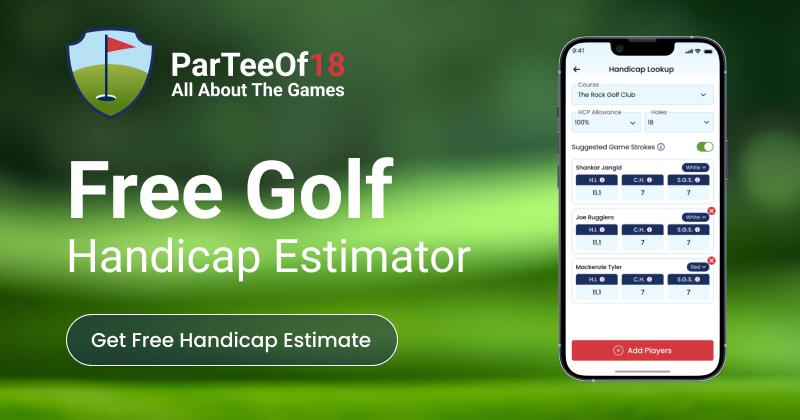
Because the system adjusts as players improve, success feels earned rather than forced. Lowering your handicap becomes a long-term goal, not a stressful expectation. Many weekend golfers use tools like a golf handicap estimator to track progress and understand how each round contributes to their overall improvement.
This approach keeps golf enjoyable. Players remain competitive while still embracing the relaxed nature of weekend play, striking the perfect balance between challenge and enjoyment.
Best Handicap Formats for Casual Weekend Rounds
Certain formats work especially well for handicap-based weekend golf. Match play with handicaps is a favorite, as it emphasizes head-to-head competition and keeps matches engaging on every hole.
Stableford scoring is another popular option, particularly for casual groups. It rewards good holes and limits the damage of bad ones, keeping rounds moving and spirits high. Scramble or shamble formats with handicap adjustments are ideal for larger groups, allowing players of all abilities to contribute meaningfully.
Choosing the right format ensures that handicap golf enhances fun rather than complicating the round.
Why Handicap Golf Fits Weekend Golf Perfectly
Weekend golf thrives on balance—competition without pressure, structure without rigidity, and fairness without complexity. Handicap golf checks all those boxes.
It creates closer matches, encourages social interaction, motivates improvement, and ensures that every golfer feels involved. Instead of focusing on who is the “best” player, handicap golf celebrates who played the best that day relative to their ability.
That’s why handicap golf doesn’t just improve weekend rounds—it transforms them. By leveling the field and keeping matches exciting, it turns casual golf into competitive fun that golfers genuinely look forward to every weekend.

 English
 Arabic
 French
 Portuguese
 Deutsch
 Turkish
 Dutch
Dutch
 Italiano
 Russian
 Romaian
 Portuguese (Brazil)
 Greek
Greek