


Top Safety Standards Every Good Electrical Contractor Must Follow
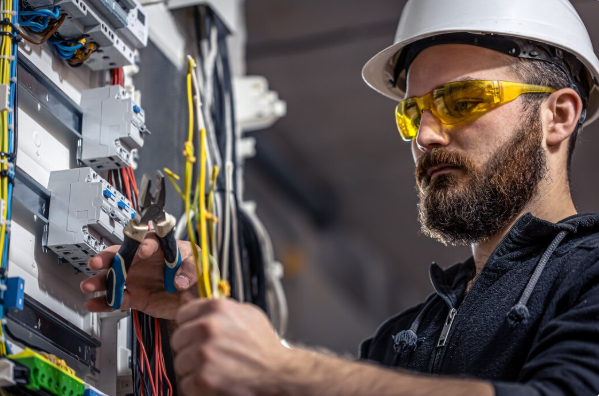
Electrical work ranks among the most hazardous occupations in the construction industry. Workers face risks from shock, arc flash, falls, and burns every day. The difference between a safe job site and a dangerous one often comes down to the standards an electrical contractor follows. Knowing these standards helps property owners, general contractors, and facility managers evaluate the electricians they hire.
OSHA Electrical Safety Requirements
General Industry Standards
The Occupational Safety and Health Administration sets baseline requirements for electrical safety in all workplaces. OSHA's general industry standards, found in 29 CFR 1910 Subpart S, cover electrical installation, wiring methods, and safety practices. Every electrical contractor must know and follow these regulations.
These standards require that electrical equipment be free from hazards likely to cause death or serious injury. They specify requirements for grounding, overcurrent protection, and guarding of live parts. Contractors who violate these standards face citations and fines, and their clients may face liability for injuries that result.
Construction Industry Standards
Construction sites present additional hazards that OSHA addresses in 29 CFR 1926 Subpart K. These standards apply specifically to electrical work during construction, alteration, and demolition. They cover temporary wiring, ground fault protection, and the use of electrical equipment in wet locations.
An electrical contractor working on construction projects must implement ground fault circuit interrupter protection on all 120-volt, 15- and 20-ampere receptacle outlets. They must also use assured equipment grounding conductor programs as an alternative. These requirements prevent the electrocutions that once occurred regularly on construction sites.
National Electrical Code Compliance
The Foundation of Safe Installations
The National Electrical Code, published by the National Fire Protection Association as NFPA 70, provides the technical standards for electrical installations. Most jurisdictions adopt the NEC as law, making compliance mandatory. An electrical contractor must understand the code thoroughly and apply it to every job.
The NEC covers everything from conductor sizing and overcurrent protection to grounding and bonding requirements. It specifies installation methods for different environments, including wet locations, hazardous areas, and healthcare facilities. Code compliance ensures that installations will operate safely for their intended lifespan.
Staying Current with Code Changes
The NEC updates every three years, with each edition incorporating lessons learned from fires, injuries, and technological changes. An electrical contractor committed to safety stays current with these changes and implements them immediately upon adoption.
Recent code cycles have added requirements for arc fault circuit interrupters, tamper-resistant receptacles, and ground fault protection in additional locations. Contractors who fail to keep up with these changes install systems that do not meet current safety standards. A&B Electric maintains ongoing training programs to ensure their electricians understand and apply the latest code requirements.
NFPA 70E & Arc Flash Safety
Protecting Workers from Arc Flash
Arc flash incidents release tremendous energy in fractions of a second. Temperatures can exceed 35,000 degrees Fahrenheit, causing severe burns, blindness, and death. NFPA 70E, the Standard for Electrical Safety in the Workplace, establishes work practices that protect workers from these hazards.
Every electrical contractor must conduct arc flash risk assessments before working on energized equipment. These assessments determine the incident energy level at each work location and specify the personal protective equipment required. Workers must wear arc-rated clothing, face shields, and insulated gloves appropriate for the hazard level.
Establishing Electrically Safe Work Conditions
NFPA 70E emphasizes de-energizing equipment before work begins whenever possible. The standard establishes lockout/tagout procedures that prevent equipment from being re-energized while workers are exposed to electrical hazards. An electrical contractor following these procedures verifies that circuits are de-energized using properly rated test equipment.
When work on energized equipment is necessary, NFPA 70E requires an energized electrical work permit. This permit documents the justification for energized work, the hazards involved, and the safety measures in place. Contractors who skip this process put their workers and their clients at risk.
Personal Protective Equipment Standards
Selecting Appropriate PPE
Electrical work requires specialized personal protective equipment rated for the hazards present. Rubber insulating gloves must meet ASTM D120 standards and be tested regularly for holes and defects. Insulated tools must meet ASTM F1505 requirements for 1,000-volt protection.
An electrical contractor maintains a PPE program that includes selection, inspection, testing, and replacement of all protective equipment. Workers receive training on proper use and care of their PPE. Damaged or expired equipment is removed from service immediately.
Face & Eye Protection
Arc flash and flying debris pose serious risks to workers' eyes and faces. Safety glasses with side shields provide basic protection, but arc flash hazards require face shields with appropriate arc ratings. The level of protection must match the incident energy calculated in the risk assessment.
Contractors who provide inadequate face protection expose workers to permanent injury. Burns to the face and eyes from arc flash incidents often result in disfigurement and vision loss. Proper PPE prevents these outcomes.
Training & Qualification Requirements
Qualified Person Definition
OSHA and NFPA 70E define a qualified person as someone trained to recognize and avoid electrical hazards. This training must cover the specific equipment and voltages the worker will encounter. An electrical contractor ensures that only qualified persons perform electrical work.
Qualification requires more than licensing. Workers must understand the hazards of the specific tasks they perform and the safety procedures that apply. Ongoing training maintains and updates this knowledge as codes and standards change.
Apprenticeship & Licensing
Most jurisdictions require electricians to complete apprenticeship programs and pass examinations before working independently. These programs combine classroom instruction with on-the-job training under the supervision of experienced journeymen. An electrical contractor who employs properly trained and licensed workers demonstrates commitment to quality and safety.
A&B Electric employs licensed electricians who have completed approved apprenticeship programs and maintain their credentials through continuing education. This investment in training ensures that every job meets the highest safety standards.
Documentation & Record Keeping
Maintaining Safety Records
Good electrical contractors document their safety programs, training activities, and incident investigations. These records demonstrate compliance with OSHA requirements and provide evidence of due diligence. They also help identify patterns that indicate needed improvements.
Records should include training certifications, PPE inspection logs, arc flash risk assessments, and energized work permits. Contractors who maintain these records can respond quickly to regulatory inquiries and defend against liability claims.
Providing Documentation to Clients
Clients have a right to verify that their electrical contractor follows proper safety procedures. Reputable contractors provide copies of insurance certificates, safety programs, and worker certifications upon request. They welcome questions about their safety practices and answer them transparently.
Verify Before You Hire
Safety standards exist because electrical work can kill. An electrical contractor who follows OSHA regulations, NEC requirements, NFPA 70E procedures, and proper PPE protocols protects workers, clients, and the public. Before hiring any contractor, ask about their safety program, training practices, and compliance history. The answers reveal if they take safety as seriously as they should.

 English
 Arabic
 French
 Spanish
 Portuguese
 Deutsch
 Turkish
 Dutch
Dutch
 Italiano
 Russian
 Portuguese (Brazil)
 Greek
Greek